The world of luxury watches is more than just about telling time; it’s about heritage, craftsmanship, and prestige.
In 2025, the global demand for prestige watch brands has never been stronger, and the USA is one of the biggest markets for them.
According to global luxury watch market trends 2025, the industry continues to expand with increasing demand from collectors and investors worldwide.
From prestige watch brands that dominate auctions to iconic watch designs admired for decades, the hierarchy highlights the difference between ultra-prestigious masterpieces and entry-level luxury timepieces.
It reflects not only design and engineering but also the market value of luxury watches, which makes certain models true investment watches.
Understanding this structure helps buyers make informed decisions, whether for status, collection, or financial growth.
As the industry evolves, new innovations, limited editions, and shifting market trends will continue to redefine the hierarchy, making it essential for watch lovers to stay updated.
This guide will provide clarity on tiers, brand prestige, and 2025’s most influential watch market insights.
What is a Luxury Watch Hierarchy?
The luxury watch hierarchy is a ranking system used to group watch brands into tiers. It considers factors like craftsmanship in watchmaking, brand reputation, pricing, exclusivity, and long-term value.
For collectors, this hierarchy helps separate everyday luxury from ultra-prestige creations made by Swiss watchmakers or German watchmaking heritage brands.
A watch is not simply about function. It represents a status symbol watch, history, and in many cases, an investment.
Understanding this hierarchy allows you to know why some models, like a Rolex Submariner, hold value for decades while others may lose value quickly in the secondary watch market.
In 2025, the hierarchy continues to guide both seasoned collectors and first-time buyers in navigating a crowded market.
It highlights the timeless appeal of legendary brands while also spotlighting emerging watchmakers gaining recognition. This balance of tradition and innovation ensures the hierarchy remains a trusted framework for anyone entering the world of horology.
Defining the Criteria for Watch Tiers
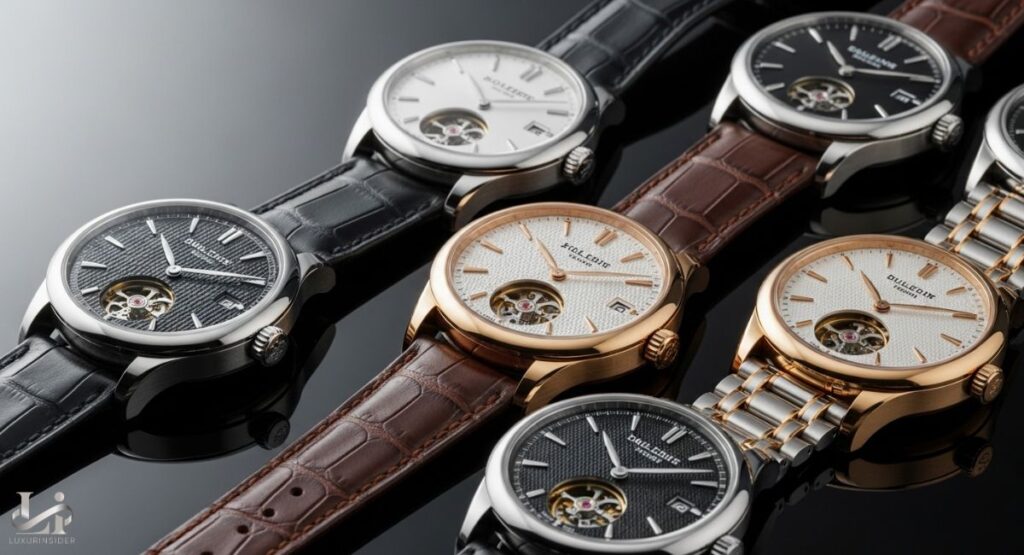
The tiers in the luxury watch hierarchy are based on several criteria. The first is craftsmanship, measured by hand-finishing, use of horological complications, and attention to detail.
The second is heritage, with brands like Patek Philippe and Vacheron Constantin carrying centuries of legacy.
Another important factor is value. Watches are not just accessories; they can be investment watches. The watch resale value depends on rarity, demand, and whether the piece is part of limited edition watches or collectible timepieces.
Finally, brand reputation, innovation, and iconic watch designs help shape the hierarchy. These combined factors create a clear distinction between entry-level luxury, mid-tier prestige, and ultra-exclusive masterpieces.
As the market evolves in 2025, these elements continue to influence buyer perception, ensuring the hierarchy remains relevant across generations of collectors.
The Hierarchy of Luxury Watch Brands (Complete Breakdown)
Luxury watches are divided into four major tiers. At the top are Haute Horlogerie houses that create masterpieces often showcased in auction house watch sales.
Below them are the iconic mainstream luxury brands recognized worldwide. Then come independent innovators, followed by entry-level luxury watches that open the door for new collectors.This system is not fixed.
Brands move up or down depending on innovations, demand, and changes in the market value of luxury watches. In 2025, the global demand for prestige watch brands has never been stronger, and the USA is one of the biggest markets for them.
Collectors today are more informed than ever, analyzing not just brand reputation but also sustainability, craftsmanship, and resale potential.
This evolving awareness ensures that the luxury watch hierarchy remains dynamic, reflecting both tradition and modern market trends.
Tier 1: Haute Horlogerie (Ultra-Prestige)
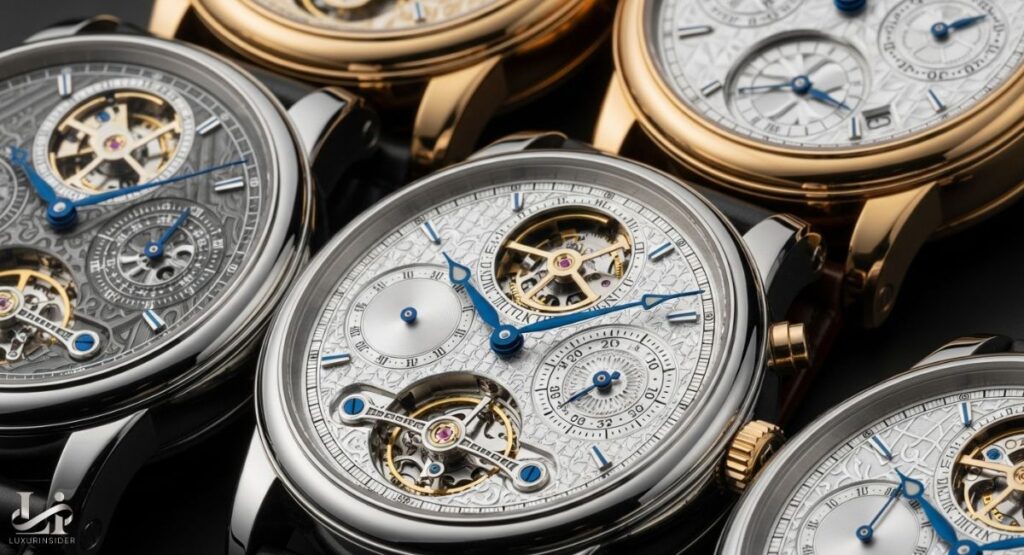
At the very top of the luxury watch hierarchy sit the Haute Horlogerie brands. These are watches made in very small numbers, often with hand-finishing, rare horological complications, and timeless appeal.
Names like Patek Philippe, Audemars Piguet, Vacheron Constantin, and Richard Mille dominate this level.
Collectors in the USA pay record amounts for these watches. Many are seen as investment watches, holding strong watch resale value at auction house watch sales.
For example, a vintage Patek Philippe perpetual calendar can sell for millions. These brands are the purest form of collectible timepieces.
Beyond monetary worth, these watches symbolize heritage, prestige, and exclusivity. Owning one is not only a statement of wealth but also a testament to refined taste and appreciation for fine craftsmanship.
Tier 2: Iconic Luxury Brands
The second tier includes the most iconic watch designs and heritage watch brands that dominate the global stage. Rolex, Omega, Cartier, IWC, Breitling, and Jaeger-LeCoultre fall into this group.
Their watches combine quality, history, and availability in a way that appeals to millions of enthusiasts.
In 2025, the demand for status symbol watches like the Rolex Daytona or Omega Speedmaster continues to climb. These brands often serve as the entry point for buyers who later move up to Haute Horlogerie.
They also perform well in the secondary watch market due to strong demand in the USA and abroad.
What sets this tier apart is the balance between accessibility and prestige. These timepieces offer a sense of luxury that is within reach for many collectors, making them both aspirational and attainable.
Tier 3: Independent and Avant-Garde Watchmakers
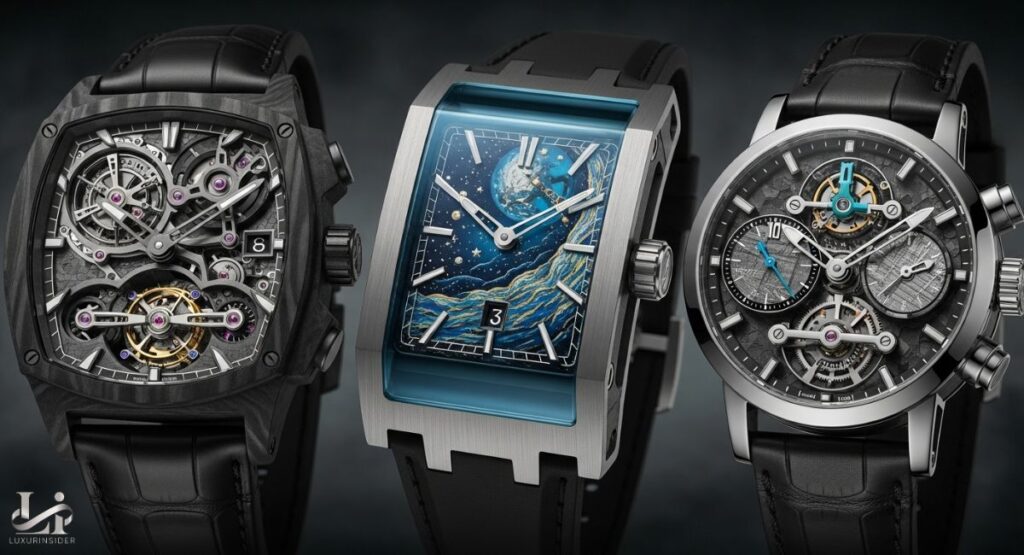
This tier celebrates independent houses pushing boundaries in craftsmanship in watchmaking. Brands like F.P. Journe, H. Moser & Cie, MB&F, and Blancpain represent creativity and innovation.
Their focus on unusual materials, bold horological complications, and limited runs makes them highly attractive to serious collectors.
The market sees these watches as modern art. They are often released as limited edition watches with small production numbers. This makes them rare, increasing their market value of luxury watches. For American collectors, owning such a piece signals deep appreciation for true artistry.
Over the years, these independents have built loyal followings that rival the big names. Their experimental designs and daring complications ensure they remain at the cutting edge of luxury horology.
Tier 4: Entry-Level Luxury Timepieces
At the foundation of the hierarchy are entry-level luxury brands. Tudor, TAG Heuer, Longines, Oris, and Nomos Glashütte sit in this tier.
They offer accessible pricing while still reflecting heritage watch brands and solid craftsmanship in watchmaking.
These watches are perfect for first-time collectors in the USA. They are reliable, stylish, and carry strong iconic watch designs like the TAG Heuer Carrera or Tudor Black Bay.
While they may not hold the same watch resale value as top-tier names, they remain highly respected in the secondary watch market.
For many enthusiasts, these brands act as the gateway into the world of luxury watches. Their approachable price points and timeless aesthetics often inspire collectors to climb higher within the luxury watch hierarchy.
Market Dynamics and Collectability in Luxury Watches
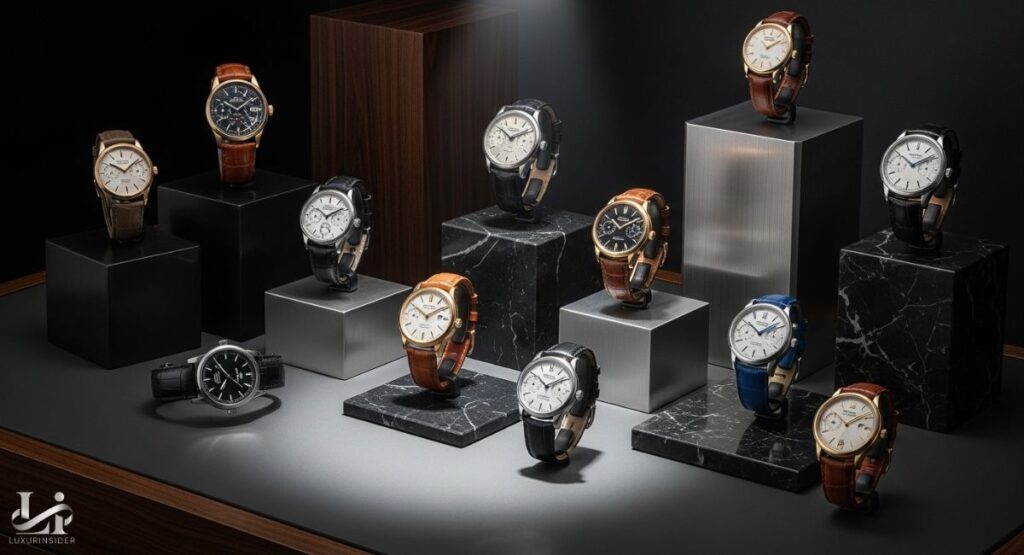
The luxury watch market in 2025 is shaped by scarcity, hype, and legacy. The rise of secondary watch markets and auction house watch sales has changed how collectors buy and sell.
In many cases, the watch resale value of certain models far exceeds the retail price. Collectible timepieces like a Rolex Submariner or Audemars Piguet Royal Oak become harder to find at authorized dealers.
Instead, buyers must explore auctions or trusted resellers. Limited editions, such as Grand Seiko artisanal dials or A. Lange & Söhne complications, are now seen as excellent investment watches.
For investors, the demand for rare pieces highlights how watches have evolved beyond accessories into alternative assets.
This growing trend signals that watch collecting is no longer only about passion but also about long-term financial opportunity.
Top 10 Luxury Watch Brands of 2025
Here is a list of the top 10 brands in the luxury watch hierarchy in 2025 based on prestige, heritage, and market performance:
| Rank | Brand | Key Feature | Market Strength |
| 1 | Patek Philippe | Ultra-prestige, collectible | Very High |
| 2 | Rolex | Strong resale, iconic designs | Very High |
| 3 | Audemars Piguet | Royal Oak, high complications | High |
| 4 | Vacheron Constantin | Heritage, craftsmanship | High |
| 5 | A. Lange & Söhne | German watchmaking heritage | Strong |
| 6 | Omega | Moonwatch, Olympic legacy | Strong |
| 7 | Jaeger-LeCoultre | Complications, innovation | Strong |
| 8 | Richard Mille | Bold designs, exclusivity | High |
| 9 | Cartier | Jewelry-meets-watchmaking | Strong |
| 10 | Grand Seiko | Japanese precision and artistry | Rising |
These brands dominate both the USA and international markets, appealing to buyers who want status symbol watches with strong market value of luxury watches.
Where to Buy a Luxury Watch (Best Sources & Tips)
Buying a luxury watch in the USA requires research. The best sources remain authorized dealers and boutiques for authenticity and warranty.
However, because demand exceeds supply for many collectible timepieces, buyers often turn to the secondary watch market.
Trusted resellers, certified pre-owned programs, and auction house watch sales are excellent options. Collectors should always verify authenticity, especially when buying investment watches like Patek Philippe, Audemars Piguet, or Rolex.
In 2025, online marketplaces with secure buyer protection are also a growing trend. Additionally, many collectors now seek transparency in provenance and service history, which adds confidence to high-value purchases.
This shift shows that luxury watch buying in 2025 is increasingly about trust, reputation, and long-term value.
Final Thoughts on Luxury Watch Hierarchies
The luxury watch hierarchy is more than just a ranking. It reflects history, artistry, and economics. In 2025, watches are not only personal accessories but also assets with strong watch resale value.
From Haute Horlogerie masterpieces to entry-level luxury timepieces, every tier has something to offer.
For collectors in the USA, the choice depends on passion, budget, and long-term goals. Whether chasing status symbol watches or searching for limited edition watches, understanding the hierarchy will help you make smarter decisions.
At the end of the day, every luxury watch tells more than time—it tells a story of heritage, innovation, and timeless elegance.
The same spirit of indulgence extends into other aspects of lifestyle, from fine dining to experiences like luxury ice cream in Orange County, which reflect how luxury culture continues to evolve in 2025.
In today’s market, this hierarchy also serves as a guide for investors, helping them identify which brands and models are most likely to appreciate.
As demand continues to grow, the lines between collecting for passion and collecting for profit are becoming increasingly blurred.
FAQS
What are the 5 tiers of watches?
Haute Horlogerie, High-End Luxury, Mid-Tier Luxury, Entry-Level Luxury, and Fashion/Designer watches.
What are the top 10 luxury watches?
Rolex Submariner, Patek Philippe Nautilus, Audemars Piguet Royal Oak, Omega Speedmaster, Cartier Tank, Jaeger-LeCoultre Reverso, IWC Portugieser, Vacheron Constantin Overseas, Breitling Navitimer, and Tudor Black Bay.
What is a mid-range luxury watch?
Brands like Omega, Breitling, and IWC that balance prestige, heritage, and affordability.
What are the different types of luxury watches?
Dress watches, sports watches, diving watches, chronographs, pilot watches, and limited editions.
What tier is Tissot?
Tissot sits in the entry-level luxury tier, offering Swiss craftsmanship at accessible prices.

I write about the world of luxury, from timeless style to premium living, inspiring readers to embrace elegance in everyday life.