Luxury fabrics go beyond style — they embody centuries of craftsmanship, timeless elegance, and attention to detail.
From silk, cashmere, pashmina to brocade, lamé, and guipure lace, they feel smooth and refined, instantly elevating even simple garments into pieces that look and feel extraordinary.
Investing in luxurious garments means choosing pieces with durability, graceful drape, and unmatched premium materials that last for years.
Understanding their origins, care requirements, and impact on ethical fashion helps you make informed choices.
This ultimate guide explores the world of luxury fabrics, offering insights on materials, trends, care tips, and sustainable practices for conscious style enthusiasts.
It will also help you navigate high-end fashion, identify designer fabrics worth investing in, and discover ways to maintain longevity in your wardrobe while supporting responsible fashion choices.
Understanding Luxury Fabrics
Luxury fabrics are defined by their finest fibers, exclusivity, and longevity. Unlike everyday textiles, they come from natural fibers like silk, cashmere, or high-quality cotton.
The exclusive allure lies in how these materials feel and move. Each fabric is a result of meticulous artistry, from harvesting raw materials to weaving and finishing.
High-quality fabrics offer both Stay in your closet for years and an unmatched exquisite touch. They are crafted to be timeless, making them a smart investment in clothing.
The production of luxury fabrics blends expert weaving and detailing with advanced techniques. Fabrics such as brocade, lamé, laser-cut fabrics, appliqué, guipure lace, tulle, and embroidery fabrics demand extra care and expertise.
Even subtle textures can enhance luxurious garments, making them ideal for haute couture and designer fabrics. Every thread showcases premium materials, ensuring durability and elegance.
A single garment can often last decades if cared for properly, highlighting the value of high-end fashion.
These fabrics also reflect a commitment to slow fashion and fashion sustainability, encouraging conscious consumers to consider ethical considerations and environmental impact when building a luxury wardrobe.
Popular Luxury Fabric Materials
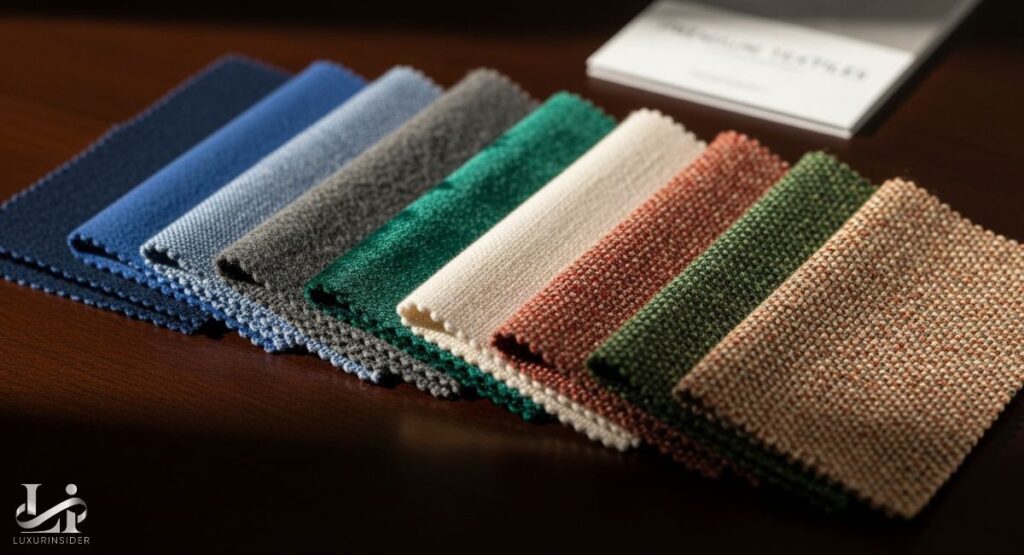
The most common luxury fabrics include silk, cashmere, pashmina, mohair, angora, vicuña, and alpaca wool, merino wool, linen.
Silk is famous for its exquisite touch and natural sheen, often used in luxury dress fabrics and couture inspiration collections.
Cashmere offers softness against your skin and graceful drape, while pashmina provides rare warmth and luxury scarves and shawls.
Mohair and angora bring durability and a luxurious feel, while vicuña represents the pinnacle of premium wool with unmatched exclusivity.
Alpaca wool and merino wool offer both warmth and longevity in wardrobe, making them ideal for investment in clothing. Linen adds a breathable, natural fiber option, perfect for responsible fashion choices and fashion sustainability.
Fabrics like vicuña and alpaca wool are rare premium materials, sourced with care. Egyptian cotton and velvet provide comfort and elegance, whereas fur adds both style and superior quality.
Embroidery fabrics and appliqué designs elevate any outfit, making it stand out on the fashion runway trends.
Key Luxury Fabrics Table
| Fabric | Origin | Features | Best Use |
| Cashmere | Kashmir Goat | Soft, lightweight, warm | Sweaters, scarves |
| Silk | Mulberry Silkworm | Smooth, glossy, durable | Dresses, blouses |
| Mohair | Angora Goat | Shiny, strong, warm | Coats, suits |
| Vicuña | Andes | Extremely soft, rare | Luxury coats, scarves |
| Alpaca Wool | Peru | Soft, hypoallergenic | Sweaters, ponchos |
| Egyptian Cotton | Nile Delta | Long-staple, soft | Shirts, bedding |
Luxury Fabrics vs Designer Fabrics
Luxury fabrics focus on rare raw materials and superior quality, while designer fabrics highlight couture inspiration and creative prints.
Luxury dress fabrics are about timelessness, softness against your skin, and premium wool. Designer fabrics often reflect trends in high-end fashion, yet may use similar natural fibers.
Luxury is about exclusive fabrics and their longevity in wardrobe. Designer fabrics may emphasize patterns, but luxury emphasizes skilled artistry that goes into every thread.
Both require tailor expertise, but luxury fabrics demand additional skill to handle delicate textures like guipure lace or embroidery fabrics.
A luxury item is an investment in clothing that combines style, durability, and uniqueness.
Moreover, luxury fabrics contribute to fashion sustainability by promoting slow fashion and responsible fashion choices.
Their superior quality ensures longevity, reducing the need for frequent replacements, while highlighting the meticulous artistry behind each garment.
Top Luxury Fabric Brands and Sources
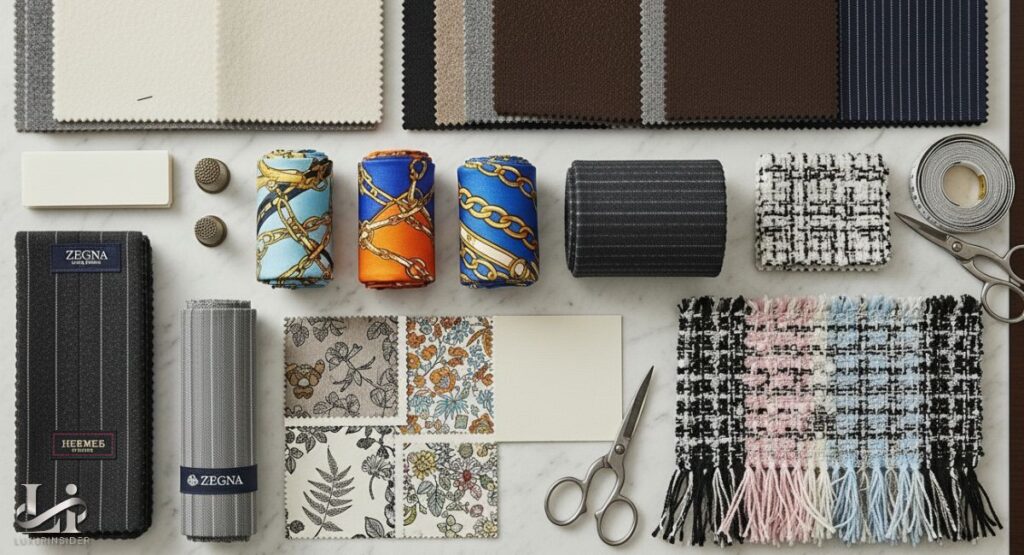
Renowned luxury fabric brands like Jakob Schlaepfer, Sophie Hallette, Solstiss, and Forster Rohner are celebrated for superior quality and expert weaving and detailing.
They produce exclusive fabrics, including brocade, lamé, tulle, and embroidery fabrics for haute couture. High-end brands ensure that each piece offers softness against your skin, durability, and elegance.
These suppliers combine tradition and innovation. Many fabrics are made using laser-cut fabrics and intricate appliqué techniques.
Choosing garments from trusted brands guarantees authenticity and luxurious garments that can last decades. Buying from these sources is a form of luxury clothing investment and supports responsible fashion choices.
In addition, luxury fabric brands often set the standard for fashion runway trends and couture inspiration.
Their meticulous artistry not only elevates high-end fashion but also preserves the heritage of textile production, making each purchase a celebration of craft, quality, and sustainable textiles.
Trends and Design Inspiration
Current fashion runway trends highlight textures like velvet, silk, brocade, and lamé. Designers often mix embroidery patterns with tulle or guipure lace to create luxurious garments that reflect couture inspiration.
Elegant layering pieces crafted from premium fibers made from cashmere and pashmina remain popular for layering and elegance.
Haute couture shows also emphasize exclusive fabrics in bold patterns or metallic finishes. The use of laser-cut fabrics and appliqué designs creates standout pieces.
For more insights into global couture highlights, you can explore Vogue’s fashion coverage for the latest runway inspirations.
Fashion enthusiasts who understand these trends appreciate high-end fashion and slow fashion, making a wardrobe piece built to last more meaningful and sustainable.
Moreover, fashion sustainability and ethical considerations are increasingly shaping runway choices. Just like luxury kitchen design trends, fabrics also set the tone for elegance and timeless sophistication.
Designers now prioritize natural fibers, craftsmanship in fabric, and environmentally responsible textile production, ensuring that luxury fabrics not only dazzle visually but also align with conscious, responsible fashion choices.
Caring for Luxury Fabrics
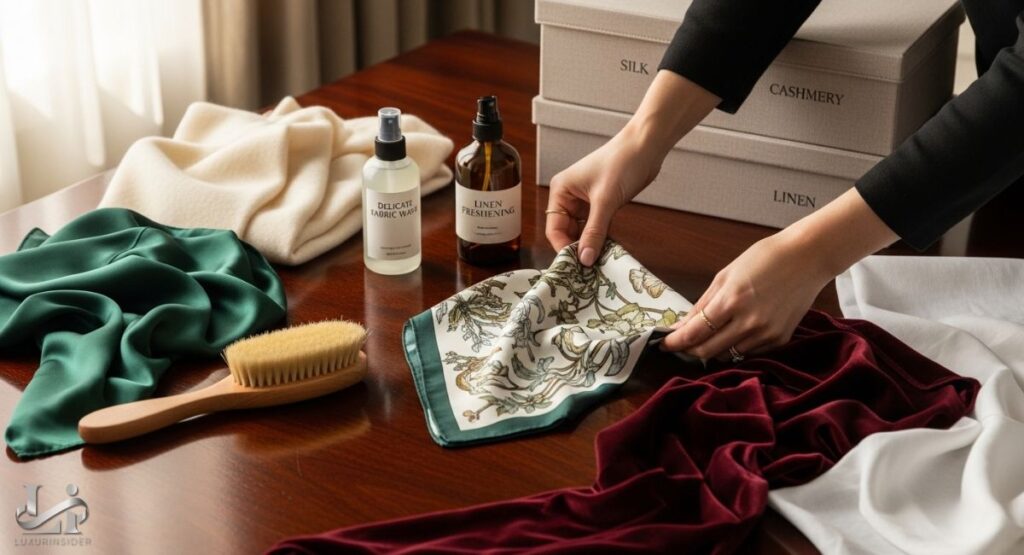
Proper fabric care tips are essential to maintain softness against your skin, graceful drape, and longevity in wardrobe.
Dry cleaning is recommended for delicate fabrics like cashmere, silk, and embroidery fabrics, while careful hand washing can preserve Timeless accessories like fine scarves and wraps. Proper storage prevents damage from sunlight, humidity, or pests.
Even luxury fabrics like velvet, fur, and alpaca wool require attention. Avoid frequent washing or harsh detergents. Trusted tailor expertise can help repair small tears or maintain luxurious garments.
Investing time in fabric care tips ensures premium materials remain beautiful and wearable for decades, making them a true luxury clothing investment.
Additionally, understanding fashion sustainability can guide your fabric care choices.
Using natural detergents, proper folding techniques, and slow fashion practices not only extends the life of your garments but also supports ethical fashion and responsible fashion choices for long-term wardrobe value.
Ethical and Sustainable Considerations
Ethical fashion and sustainable textiles are crucial when choosing luxury fabrics. Traditional production of silk, cashmere, and fur may affect animal welfare and cause environmental damage.
Cotton and wool production also carry a significant environmental impact, from water usage to grazing effects.
Consumers can make responsible choices by opting for second-hand options, certified organic fibers, or slow fashion brands.
Understanding the textile production process helps balance luxury with fashion sustainability. Prioritizing responsible fashion choices ensures that luxurious garments align with ethics and reduce negative environmental impact.
Moreover, supporting ethical considerations and brands that emphasize fashion sustainability helps promote transparency in sourcing rare raw materials.
Choosing fabrics with a lower ecological footprint also strengthens the connection between luxury clothing investment and long-term responsible fashion choices.
Smart Buying Tips for Luxury Clothes
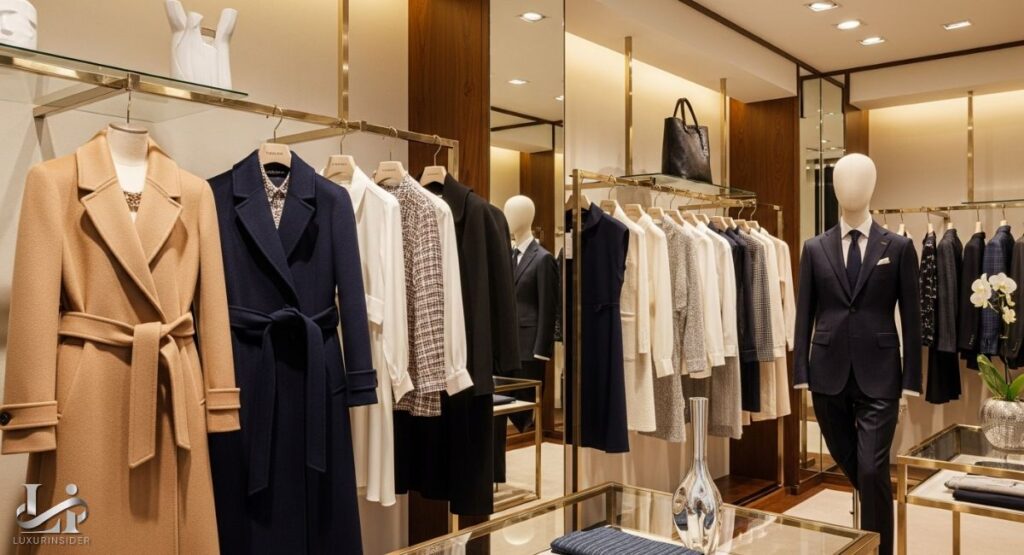
When purchasing luxury fabrics, evaluate premium materials, authenticity, and source. Check for tailor expertise and the finish of exclusive fabrics.
Remember that purchase that adds lasting value to your closet goes beyond price—it’s about longevity in wardrobe and the story behind each piece.
Consider high-end fashion trends, but also focus on slow fashion principles. Look for brands offering ethical considerations and sustainable textiles.
Second-hand options can provide access to Timeless accessories like fine scarves and wraps, luxury dress fabrics, and other luxurious garments at a lower cost while supporting fashion sustainability.
Making thoughtful choices ensures your wardrobe reflects both style and responsible fashion values.
FAQs
Q1: What type of fabric is the most luxurious?
A1: The most luxurious fabrics include silk, cashmere, vicuña, and pashmina, prized for their softness, durability, and exquisite touch.
Q2: What are some fancy fabrics?
A2: Fancy fabrics often feature brocade, lamé, guipure lace, tulle, and embroidery fabrics that add elegance and haute couture appeal.
Q3: What is the highest quality fabric?
A3: Highest quality fabrics come from natural fibers like Egyptian cotton, merino wool, alpaca wool, and premium silk.
Q4: What are the luxury fabric brands?
A4: Top luxury fabric brands include Jakob Schlaepfer, Sophie Hallette, Solstiss, and Forster Rohner, known for exclusive fabrics and meticulous craftsmanship.
Q5: What fabrics do wealthy people wear?
A5: Wealthy people often wear luxury dress fabrics, premium wool, silk, cashmere, and exclusive haute couture textiles for elegance and durability.

I write about the world of luxury, from timeless style to premium living, inspiring readers to embrace elegance in everyday life.