The tragic sinking of the Bayesian superyacht off Porticello, near Palermo stunned the yachting world in August 2024.
This 183ft Perini Navi yacht capsized within seconds during a sudden storm, tragically claiming the lives of seven people, including owner Mike Lynch and his daughter.
The disaster triggered an immediate superyacht investigation led by Italian authorities and the UK’s Marine Accident Investigation Branch (MAIB) interim report, examining crew and passenger safety and vessel stability.
Following the incident, a complex Bayesian salvage operation was launched, using HEBO Lift 10 crane and floating crane platforms to recover the hull from 50 meters beneath the Tyrrhenian Sea recovery.
The recovery effort drew international attention, highlighting the challenges of deep-sea salvage and the precision required in maritime crane operation.
Experts carefully oversaw the recovery, focusing on pollution prevention and the safe use of steel lifting straps.
The operation also provided key lessons on yacht safety protocols and highlighted gaps in emergency procedures during extreme weather events.
Five Killed When Bayesian Sank
Seven people tragically lost their lives, including the yacht owner Mike Lynch and his 18-year-old daughter.
Survivor and casualty reports revealed that the remaining crew and passengers survived, except for the chef.
The suddenness of the disaster left little time for evacuation, exposing serious shortcomings in emergency procedures.
This luxury yacht accident has drawn international attention due to its shocking speed and the prominence of the owner.
Families, friends, and the yachting community mourned the fatal sinking, raising concerns about the safety of superyachts operating just below stricter passenger thresholds.
The tragedy has sparked a broader maritime safety review, prompting calls for stricter regulations and better crew training.
Experts emphasize that yacht stability and design must be re-evaluated, while extreme weather impact planning should become standard for all large vessels.
Investigation Underway: Causes and Contributing Factors
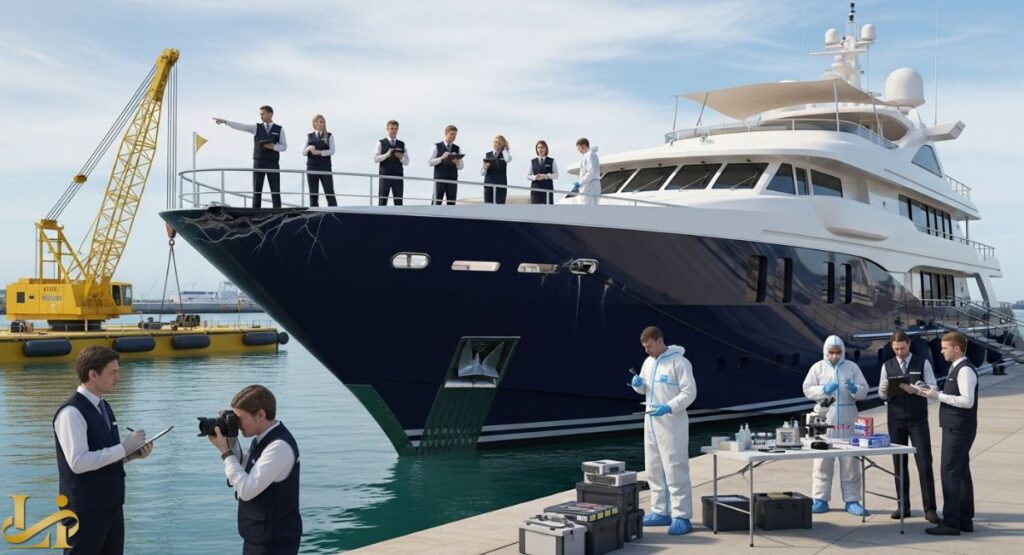
The criminal investigation in Italy and the Marine Accident Investigation Branch (MAIB) interim report are examining the sinking.
Factors under review include the vessel’s design, stability, crew preparedness, and weather conditions.
Investigators are assessing whether the yacht’s design and stability contributed to its capsizing during the violent storm.
Preliminary findings suggest a combination of unforeseen weather and limited emergency preparedness.
Authorities are also exploring gaps in superyacht just below passenger threshold regulations.
The ongoing superyacht investigation aims to determine the precise causes to prevent future tragedies and improve crew and passenger safety.
The inquiry also considers whether waterspout as possible cause played a role, given the sudden and extreme nature of the storm.
Experts are reviewing safety protocols and emergency shortcomings to make sure the lessons are applied across the yachting industry.
Was a Waterspout to Blame?
Some experts suggest a waterspout as possible cause, as sudden funnel-shaped storms can capsize vessels quickly.
Though rare, waterspouts can unleash extreme force, turning even minor stability issues into life-threatening risks for yachts.
Meteorological data around Sicily yacht sinking shows unusual wind patterns that day. This theory is not yet confirmed but remains a plausible contributing factor.
Researchers emphasize studying extreme weather impact on yachts like Bayesian superyacht to improve forecasting and design precautions for future voyages.
Investigators are also reviewing yacht stability and design, focusing on how the Perini Navi yacht responded under severe conditions.
Lessons from this analysis may influence future superyacht construction standards, emergency drills, and onboard safety equipment to reduce risks during violent storm capsized yacht scenarios.
Safety Protocols in Question
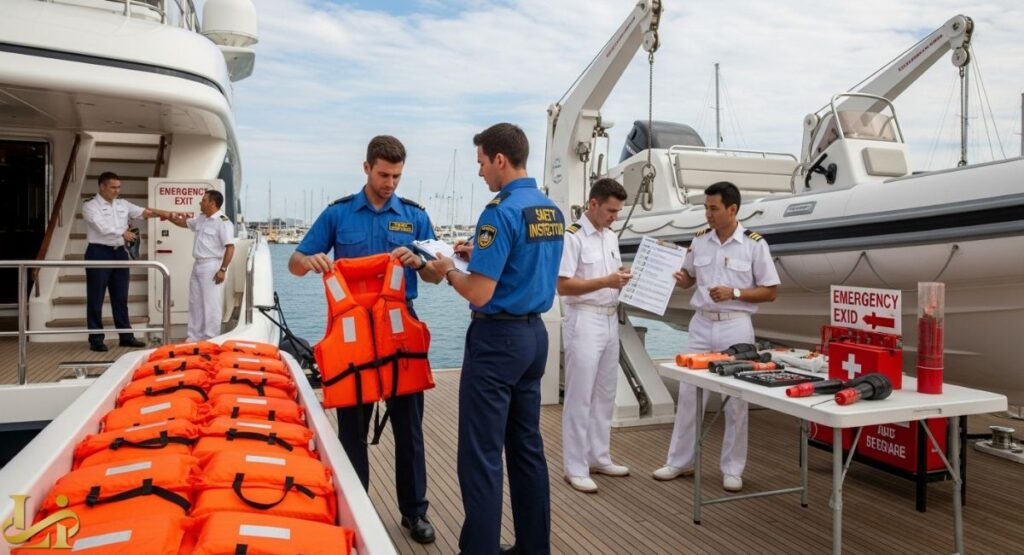
The sinking raised concerns about yacht safety protocols. Unlike larger passenger ships, the Bayesian was not legally required to conduct passenger evacuation drills.
Experts argue this contributed to the emergency procedures inadequacy during the storm.
The tragedy underlined flaws in safety measures for superyacht just below passenger threshold vessels.
Investigators and industry experts recommend reviewing maritime safety review protocols to ensure even luxury yachts maintain robust crew and passenger safety standards during unexpected events.
The incident has prompted calls for stricter enforcement of yacht safety protocols and updated training for crews.
Implementing standardized drills and safety equipment checks could help prevent similar fatal sinking events, reinforcing lessons for yachting safety across the industry.
Bayesian Salvage Operation: Raising the Hull
The Bayesian hull raised operation began in June 2025. Led by TMC Marine salvage and using the HEBO Lift 10 crane, the complex operation recovered the yacht from 50 meters in the Tyrrhenian Sea recovery.
Floating crane platform technology allowed safe lifting while minimizing environmental damage.
The hull was stabilized using steel lifting straps, an approach analogous to Historic Padelford Riverboats, providing secure support.
Seawater pumped out during lifting and pollution containment booms were deployed, demonstrating the careful recovery team monitoring for pollution.
The successful recovery of Bayesian was seen as a milestone in modern maritime salvage techniques.
Experts praised the coordinated use of remote-controlled submersible tools and meticulous mast and rig removal, highlighting how multi-day salvage operation strategies can safely recover vessels after extreme accidents.
Three-Day Process to Lift Yacht Off Seabed
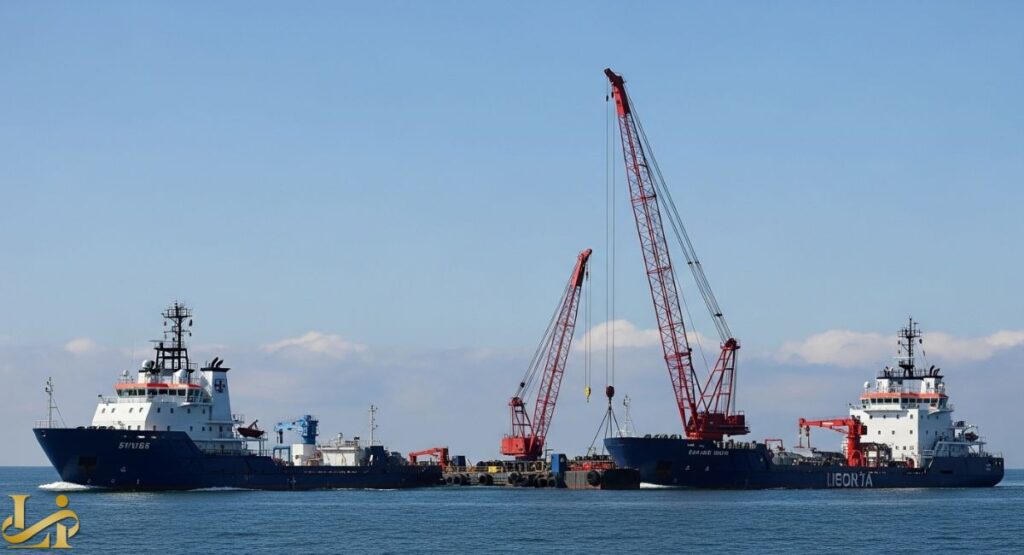
The operation took three days to complete. Teams gradually parbuckled the hull upright to access the starboard side and place lifting straps.
Mast and rig removal were necessary to ensure safe elevation, while remote-controlled submersible tools allowed precise underwater work.
The floating crane platforms in operation transported the yacht to the Sicilian port of Termini Imerese.
Each step was carefully monitored for safety and environmental impact, making the Bayesian recovery one of the most complex salvage operations in recent maritime history.
Once secured at the port, the yacht was positioned onto a custom steel cradle for further inspection.
Maritime accident report procedures will now analyze structural damage, stability factors, and crew actions, providing critical data for lessons in yachting safety and future superyacht emergency preparedness.
Lessons to Be Learned from the Tragedy
The sinking highlights critical gaps in yacht safety protocols, emergency preparedness, and vessel design.
Superyachts under 12 passengers must reconsider crew and passenger safety, especially during extreme storms. Insights from the maritime accident report are vital for improving future safety.
This tragedy also emphasizes the need for advanced weather tracking, stability assessments, and crew training.
Experts see the Bayesian tragedy as a cautionary tale, underscoring the need for proactive safety reviews and stronger standards in yachting.
Yacht designers and operators are now evaluating enhanced hull stability, automated alert systems, and stricter emergency drills.
For enthusiasts, the enduring appeal of the Rolex Yacht-Master reflects how luxury and maritime culture remain closely connected, even as safety protocols evolve.
Implementing these measures could prevent similar incidents, ensuring that luxury vessels maintain high safety standards while offering passengers a secure and enjoyable experience on the open sea.
Future Safety Recommendations for Superyachts
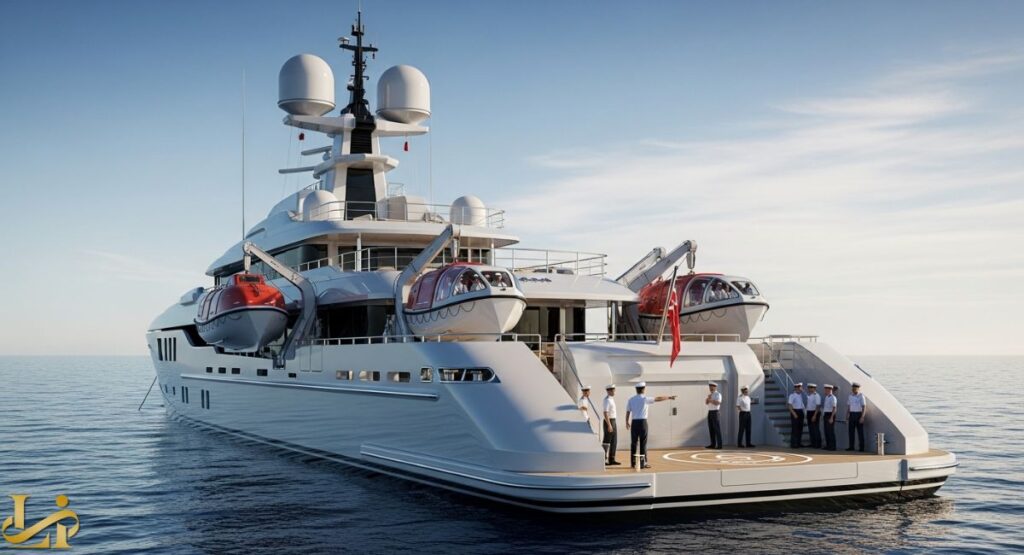
Superyacht operators are urged to implement mandatory evacuation drills, advanced storm monitoring systems, and regular maritime crane operation drills.
Enhanced crew training and stricter compliance could prevent luxury yacht accidents like the Sicily yacht sinking.
Authorities may require safety upgrades, reinforced hulls, and updated emergency plans.
These efforts align with International Maritime Organization safety standards, which guide regulations worldwide for vessel operations and passenger protection.
Following these recommendations would help ensure that even the most luxurious yachts remain safe, reducing weather-related risks and turning lessons from this tragedy into stronger future practices.
Additionally, integrating remote-controlled submersible inspections and routine stress tests on masts and rigging can further safeguard passengers.
Continuous evaluation of yacht stability and design, combined with adherence to robust yacht safety protocols, will help prevent future tragedies and strengthen overall confidence in luxury maritime travel.
FAQS
Who owns the yacht Bayesian?
The Bayesian yacht was owned by British tech billionaire Mike Lynch.
What caused the yacht to sink?
The yacht sank during a violent storm capsized yacht incident off Sicily, with sudden extreme weather overwhelming the vessel.
How much did the Bayesian yacht cost?
The Perini Navi yacht was valued at approximately $100 million.
Will the Bayesian yacht be raised?
Yes, the Bayesian hull raised operation successfully recovered the yacht using HEBO Lift 10 crane and floating crane platform technology.
What happened to the captain and crew of the Bayesian?
The captain and most of the crew survived, while seven people died, including the owner and his daughter, with only the chef among the casualties.
I write about the world of luxury, from timeless style to premium living, inspiring readers to embrace elegance in everyday life.