Trunch, Norfolk is a small parish with a long and well-recorded past that makes it especially valuable for genealogists and family historians. The village has roots reaching back to medieval England and is closely associated with St. Botolph Church, whose parish registers document baptisms, marriages, and burials over several centuries.
These records, along with Bishop’s Transcripts and Archdeacon’s Transcripts, form the backbone of family history research in Norfolk. From early references in the Domesday Book to later census returns, the parish offers a continuous paper trail that helps researchers trace ancestors, property ownership, and community ties within this historic part of Norfolk.
Overview of Trunch and Its Historical Significance
Located around three miles north-east of North Walsham, Trunch, Norfolk has developed gradually from a medieval rural settlement into the village known today. For centuries, the parish fell under the Diocese of Norwich and the Repps Rural Deanery, which ensured consistent record keeping now preserved at the Norfolk Record Office.
Daily life in Trunch revolved around agriculture, the church, and local trade, with St. Botolph Church serving as a focal point for both worship and record keeping. Studying Norfolk allows genealogists to place individual families within a wider historical setting, offering insight into land use, occupations, and long-standing parish relationships.
Early Trunch: Pre-History and Domesday Records
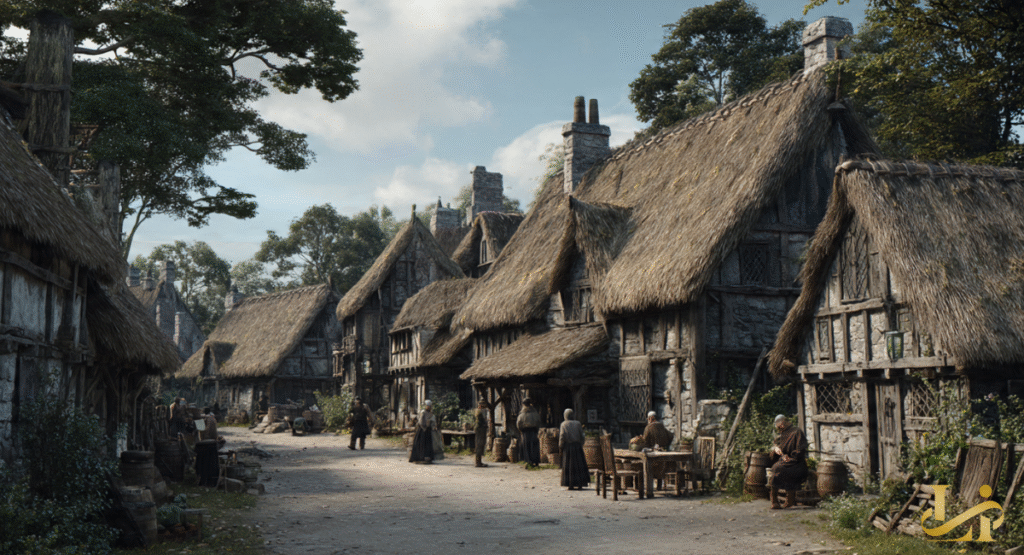
Evidence suggests that the area around Trunch, Norfolk was inhabited long before formal written records were created. Archaeological finds such as pottery fragments and tools point to early settlement activity.
Trunch appears in the Domesday Book of 1086, where details of landholders, resources, and population are recorded. These early entries help researchers understand how land was divided and who controlled it during the Norman period. By comparing Domesday information with later parish records, genealogists can often trace how estates passed through families and how the village evolved over many generations in Norfolk.
Parish History and Church Records
Genealogical research in Trunch, Norfolk relies heavily on the records of St. Botolph Church, whose surviving registers begin in 1558. These include baptisms, marriages, and burials that document family life across centuries. When original registers are missing or damaged, Bishop’s Transcripts and Archdeacon’s Transcripts frequently provide valuable substitutes.
In addition, records from non-conformist congregations capture families who worshipped outside the Church of England. Although civil registration started in 1837, church records remain essential for earlier research. Careful examination of these sources often reveals family relationships, naming traditions, and social standing within Norfolk.
Maps, Gazetteers, and Land Records

Historical maps and gazetteers offer another layer of understanding for Trunch, Norfolk genealogy. Resources such as 19th-century Ordnance Survey maps and jurisdictional maps show parish boundaries, neighboring villages, and changes in land use.
Land records, including deeds and tithe maps, can identify which families held property and how land passed through generations. When maps are used alongside parish and census records, researchers gain a clearer picture of where families lived and how their circumstances changed over time within, Norfolk.
Census and Population Records
Census returns from 1841 through 1921 provide detailed household information for families living in Trunch, Norfolk. These records list ages, occupations, birthplaces, and household relationships, making it possible to follow families across decades.
Census data often reveals extended family members, lodgers, or apprentices who do not appear in parish registers. By comparing census records with baptism and marriage entries, researchers can confirm identities and uncover migration patterns. Census material also reflects broader changes in population size and employment trends affecting Norfolk during the 19th and early 20th centuries.
Genealogy Resources and Archives

The Norfolk Record Office serves as the main archive for documents relating to Trunch, Norfolk, holding parish registers, wills, probate records, and court papers. Additional materials can be found through local history centers, libraries, and regional family history societies.
Online platforms such as TheGenealogist also host digitized collections relevant to the parish. Exploring multiple archives often leads to overlooked records that help fill gaps in family trees and clarify relationships connected to Norfolk.
Websites and Online Tools for Trunch Research
Online genealogy websites have made researching Trunch, Norfolk more accessible than ever. FamilySearch provides free access to many parish records and transcripts, while subscription services like Ancestry, Findmypast, and MyHeritage offer indexed collections and original images.
Free databases such as FreeReg and the UK Online Genealogical Index are especially helpful for early church records. Combining online searches with visits to physical archives allows researchers to verify findings and build a more reliable picture of family history in Norfolk.
Visiting Trunch: Historical Sites and Attractions
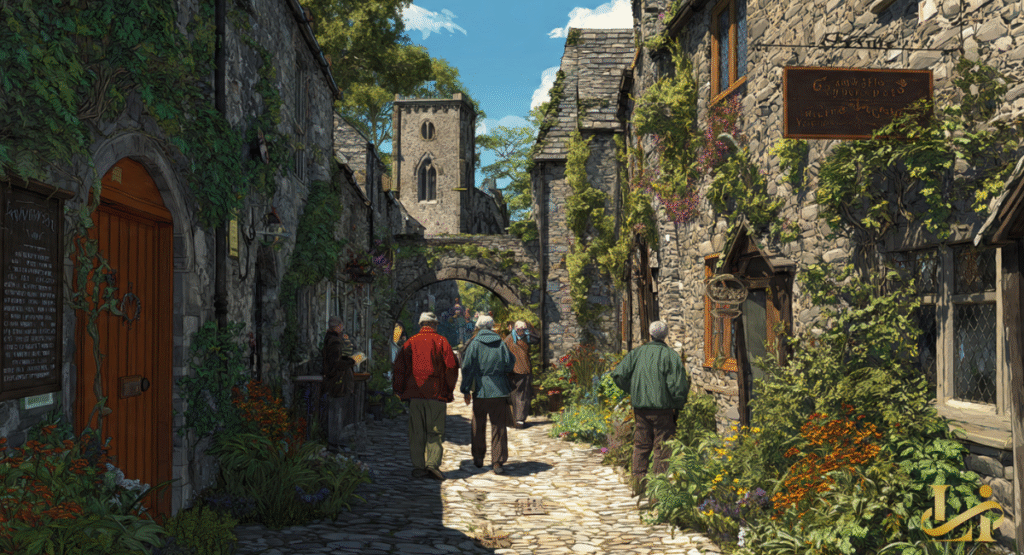
For many family historians, visiting Trunch, Norfolk adds a personal dimension to their research. St. Botolph Church remains the most significant historical site, with memorials and grave markers that may reference ancestral families.
Walking through the village, exploring the churchyard, and viewing surrounding farmland can help researchers visualize the lives of past generations. Speaking with local historians or residents may also uncover details not recorded in official documents, enriching the overall understanding of Norfolk ancestry.
Local Libraries and Historical Societies
Local libraries and historical societies in Norfolk often hold unique resources relevant to Trunch, Norfolk genealogy. These may include unpublished family histories, parish notes, photographs, and transcriptions created by earlier researchers.
Librarians and society members can offer guidance on using rare or fragile documents and may point researchers toward materials not available online. When combined with maps and parish records, these local resources help place individual families within the broader history of Trunch, Norfolk.
References and Bibliography
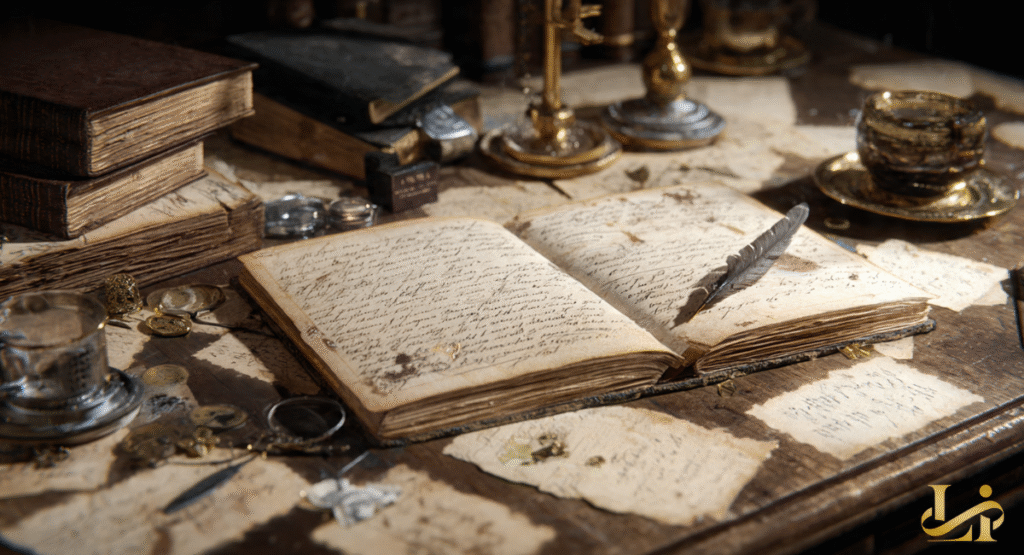
Key sources for researching Trunch, Norfolk genealogy include Samuel Lewis’ Topographical Dictionary of England (1848), parish registers from St. Botolph Church, and collections available through FamilySearch, Ancestry, Findmypast, and MyHeritage.
Additional material can be found at the Norfolk Record Office, GenUKI, British History Online, and Dusty Docs. Consulting multiple sources and cross-checking information remains essential for producing accurate and well-supported genealogical research related to Trunch, Norfolk.
FAQs
What is the meaning of the word Trunch?
Trunch is the name of a historic village and parish in Norfolk, England, rather than a common dictionary word.
Is Trunch used in American English?
No, Trunch is a proper place name and is not commonly used as a term in American English.
What’s in Trunch?
Trunch contains St. Botolph Church, historic parish records, local cemeteries, and rural landscapes closely tied to family history research.
Is Trunch a good place to visit?
Yes, Trunch appeals to visitors interested in English history, genealogy, and traditional village life.
Why do people say tranche?
“Tranche” is a French word meaning a portion or slice and is unrelated to the village name Trunch.

I write about the world of luxury, from timeless style to premium living, inspiring readers to embrace elegance in everyday life.