Burger King Whopper Changes have caught the attention of fast-food fans across the United States. After nearly ten years without major updates, the company is responding to customer feedback and evolving tastes with a thoughtful refresh. The new approach focuses on a softer, premium bun, creamier mayonnaise, and subtle preparation tweaks designed to enhance the overall Whopper experience. From presentation improvements to ingredient upgrades, Burger King aims to modernize its most famous sandwich while honoring its iconic legacy. These Burger King Whopper Changes reflect a broader trend of menu modernization and the competitive landscape of today’s fast-food industry.
Why Burger King Is Updating the Whopper Now
The current Burger King Whopper Changes come in response to rising expectations from fast-food diners. Customers are no longer satisfied with soggy buns or sandwiches that lose their structure during delivery. Packaging issues and flattened sandwiches were common complaints, both in stores and online. Executives recognized that addressing these concerns was essential to staying competitive.
At the same time, inflation and changing consumer habits mean diners are more mindful of value. While some competitors have opted for dramatic ingredient overhauls, Burger King focused on careful refinements. By improving consistency and daily operations, the company hopes to deliver a better experience without alienating long-time fans.
What ‘Premium’ Changes Are Being Made to the Whopper?
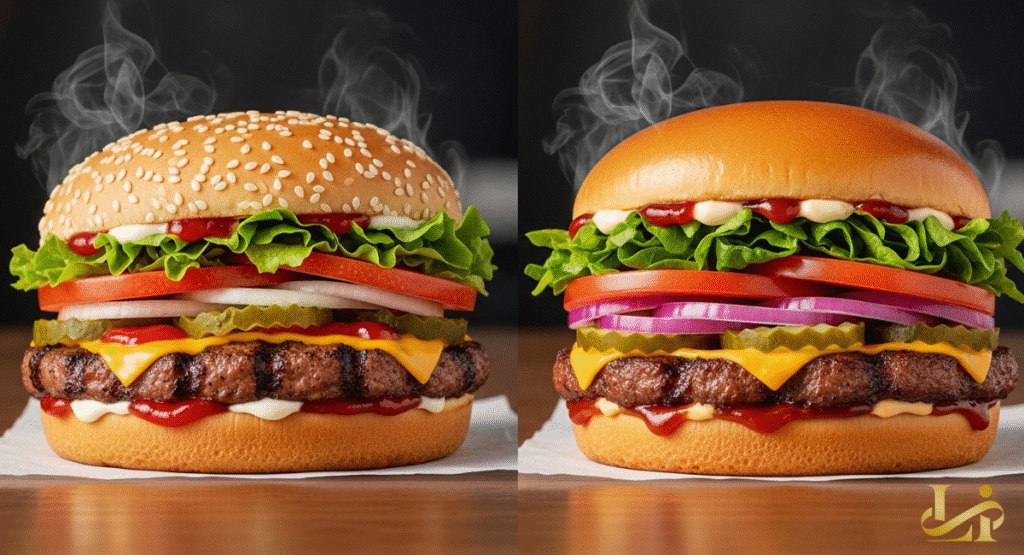
The most noticeable part of the Burger King Whopper Changes is the upgrade to the bun. The classic sesame roll has been replaced with a softer yet sturdier option that better supports the sandwich. Alongside this, the mayonnaise has been reformulated to be creamier and enhance the balance of flavors without overpowering the flame-grilled beef.
Packaging also received attention. The chain has moved from loose paper wraps to boxed burger packaging, protecting the sandwich during transport while improving presentation. Importantly, the flame-grilled beef patty—the heart of the Whopper—remains unchanged.
Comparison Table: Previous vs Updated Whopper
| Feature | Previous Version | Updated Version |
|---|---|---|
| Bun | Standard sesame | Premium bun upgrade |
| Mayo | Original formula | Creamier mayonnaise |
| Packaging | Paper wrap | Boxed burger packaging |
| Patty | Flame-grilled | Same flame-grilled sandwich |
These Burger King Whopper Changes are designed to feel familiar yet noticeably improved, keeping the iconic sandwich at the top of its class.
Customer Feedback That Drove the Menu Overhaul
Burger King executives didn’t make these updates in isolation. They relied heavily on customer feedback collected through surveys, call-ins, and franchise discussions. Many guests had complained about flattened sandwiches or uneven sauce distribution, and these insights directly shaped the changes.
Franchise owners also contributed their perspective, weighing costs and operational considerations. While implementing these Burger King Whopper Changes will require a modest investment per location, leadership believes the upgrades will support long-term growth and strengthen trust with loyal customers.
How the New Whopper Compares to the Old Version
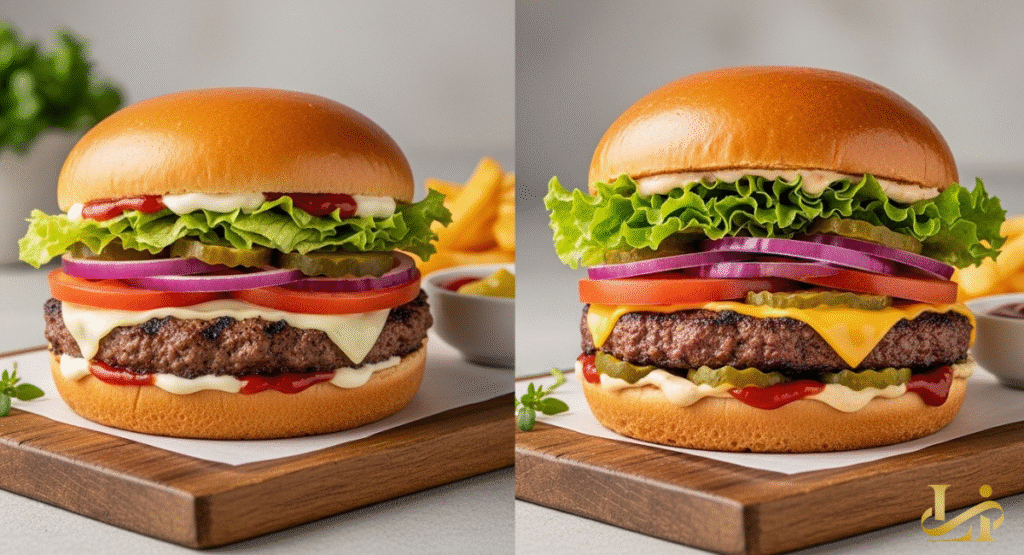
Taste tests reveal subtle improvements rather than a complete overhaul. The new premium bun provides a firmer base, the creamier mayonnaise adds richness, and the overall texture feels cleaner. Most importantly, the quarter-pound flame-grilled patty continues to anchor the classic flavor that customers expect.
Price sensitivity remains a consideration. Executives emphasized keeping costs reasonable while enhancing quality, reflecting the careful balance behind the Burger King Whopper Changes.
Comparison Table: Old vs New Whopper
| Comparison Area | Old Whopper | New Whopper |
|---|---|---|
| Flavor Depth | Balanced | Slightly richer |
| Structural Hold | Prone to flattening | Improved support |
| Ingredient Focus | Standard | Premium accents |
| Price Direction | Stable | Cautiously monitored |
Burger King Elevates Its Most Iconic Product, The Whopper®
The Burger King Whopper Changes honor the sandwich’s long history. Introduced in 1956 by founders James McLamore and David Edgerton, the Whopper was inspired by a Miami-area drive-in and designed to be a bold, five-inch burger built around size and flavor.
Decades later, the Whopper remains a symbol of Burger King’s identity. Executives describe these updates as a facelift rather than a rewrite protecting the classic recipe while improving how it’s served. These Burger King Whopper Changes aim to reinforce loyalty while appealing to today’s diners.
Competitive Landscape: How Burger King Stacks Up in the Fast-Food Wars
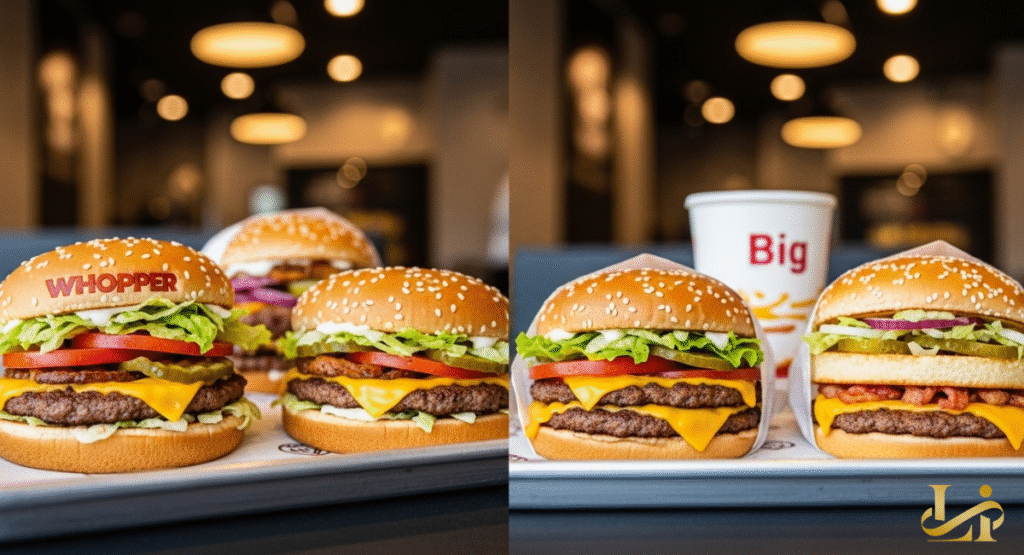
The Burger King Whopper Changes arrive in a competitive fast-food environment, where rivals emphasize freshness, customization, and ingredient transparency. Burger King’s focus on bun quality, sauce balance, and presentation differentiates it from competitors.
Rather than simply swapping ingredients, these updates prioritize the overall experience. Improved structural integrity and flavor refinement help the Whopper stand out in a crowded market. Analysts believe these measured upgrades may help the brand regain ground in urban areas where competition is especially intense.
Competitor Comparison Table
| Brand | Core Strength | Current Focus |
|---|---|---|
| Burger King | Flame-grilled identity | Premium enhancements |
| Competitors | Fresh beef branding | Ingredient transparency |
Financial Impact and Market Reaction
Implementing the Burger King Whopper Changes requires modest investment in equipment and supplies at each location. Corporate leadership views this spending as necessary to maintain consistent restaurant operations, reduce waste, and improve presentation standards nationwide.
Analysts note that visible quality improvements often encourage repeat visits. If execution is consistent, modest revenue growth could follow. Leadership, however, remains cautious with price increases amid ongoing inflation concerns.
What This Means for Fast-Food Trends in the U.S.

These Burger King Whopper Changes reflect broader trends in fast-food dining. Across the country, chains are prioritizing quality upgrades without significantly increasing prices. Subtle enhancements, like improved buns or sauce, build customer trust and reinforce brand value.
Experts point out that premium positioning doesn’t always mean luxury pricing. Instead, brands focus on elevating their core menu while keeping items affordable. Burger King’s approach balances tradition with modern expectations, aligning with what today’s customers want: better quality, fair price, and consistent experience.
What Customers Are Saying About the New Whopper
Early feedback highlights structural improvements first. Diners appreciate the boxed packaging and sturdier bun, while many say the creamier mayonnaise enhances flavor without overwhelming the beef.
Online commentary shows cautious optimism. Some note that the changes are subtle, while others praise the cleaner presentation. Across reviews, the familiar flame-grilled flavor remains the centerpiece, reassuring longtime fans.
Are Burger King Whopper Changes Enough to Secure Loyalty?
The long-term success of the Burger King Whopper Changes depends on consistent execution. Customers expect the same upgraded experience at every location. When delivered reliably, these improvements could strengthen brand loyalty while honoring the spirit of the original Whopper vision.
Final Thoughts on Burger King Whopper Changes
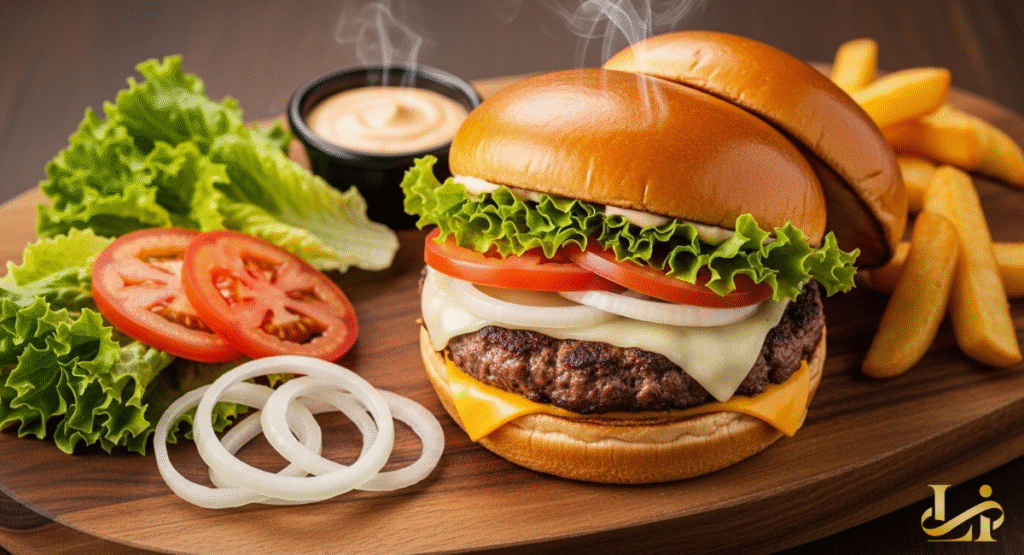
The story behind these Burger King Whopper Changes blends history, strategy, and customer feedback. From its Miami beginnings to nationwide adaptation, the Whopper continues to evolve. By keeping the iconic quarter-pound patty and refining presentation details, Burger King balances tradition with innovation.
Ultimately, these changes feel deliberate and thoughtful. They respect the sandwich’s legacy while meeting modern standards. If executed consistently, the polished Whopper experience could remain a favorite for years to come.
FAQS
Did Burger King change the Whopper?
Yes, Burger King recently updated the Whopper with improved ingredients, a premium bun, and preparation changes after customer feedback.
How much was a Whopper in 1993?
In 1993, a Whopper typically cost around $1.99, though prices varied by location.
How did Burger King update the Whopper?
Burger King enhanced the bun, made the mayonnaise creamier, improved produce freshness, and refined the flame-grilling process for better taste and consistency.
Which is more unhealthy, Whopper or Big Mac?
The Whopper generally has more calories and fat than the Big Mac, depending on size and customization.
What’s different about the new Whopper?
The new Whopper features a softer bun, upgraded mayo, fresher vegetables, and improved presentation for a more premium fast-food experience.

I write about the world of luxury, from timeless style to premium living, inspiring readers to embrace elegance in everyday life.