Scout Motors is emerging as one of the most talked-about electric vehicle startups in the U.S. Backed by Volkswagen Group, the company plans to launch rugged electric SUVs and trucks while testing a direct-to-consumer sales model that bypasses traditional dealerships.
However, this approach has sparked lawsuits from several Volkswagen dealers, fueling a wider dispute in the automotive industry. The conflict highlights tensions between direct sales and the long-established franchise laws that govern car sales in the United States. With growing interest in models like the Scout Traveler and Scout Terra pickup, the outcome of these legal battles could reshape how Americans buy electric vehicles in the future.
Why Volkswagen Dealers Are Challenging Scout Motors’ Direct Sales Strategy
The dispute between dealers and Scout Motor has intensified over the past year. Dealerships argue that Scout Motors’ direct sales approach conflicts with long-standing automotive rules requiring manufacturers to sell through local dealer networks.
Dealers claim that Scout Motor is bypassing traditional dealerships, even though it is part of Volkswagen Group. This connection has created a complex ownership dispute that courts must carefully examine, highlighting the challenges of integrating a direct-sales model into established automotive systems.
Scout Motors’ Direct-Sales Strategy and Dealer Lawsuits
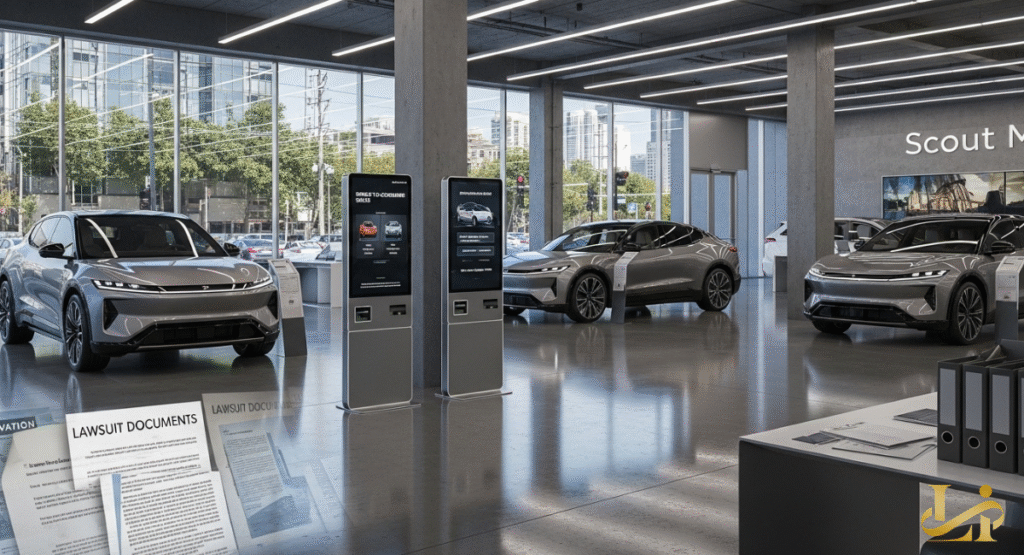
The legal battle escalated after several dealers filed lawsuits targeting Scout Motors’ direct car sales plan in the U.S. The complaints argue that Scout Motors must follow existing franchise rules because of its Volkswagen affiliation, claiming that its strategy violates established distribution agreements.
Scout Motors maintains that selling directly improves efficiency and lowers costs. Executives explain that the plan is designed to simplify vehicle distribution, allowing customers to buy cars online or at company stores while supporting a lean EV startup model that reduces retail expenses.
Volkswagen Dealers Are Really Not Happy With Scout Motors
Franchise owners are concerned that the direct sales model could cut into their revenue, limiting their role in both sales and service networks. The dispute highlights the broader tension between traditional dealerships and new electric vehicle brands experimenting with direct-to-consumer sales.
Pricing transparency is another worry. Dealers fear that Scout Motors could control vehicle prices entirely, leaving local dealers little flexibility when competing with other brands offering digital and showroom-based direct sales.
Why U.S. Auto Dealers Oppose Direct-to-Consumer Vehicle Sales
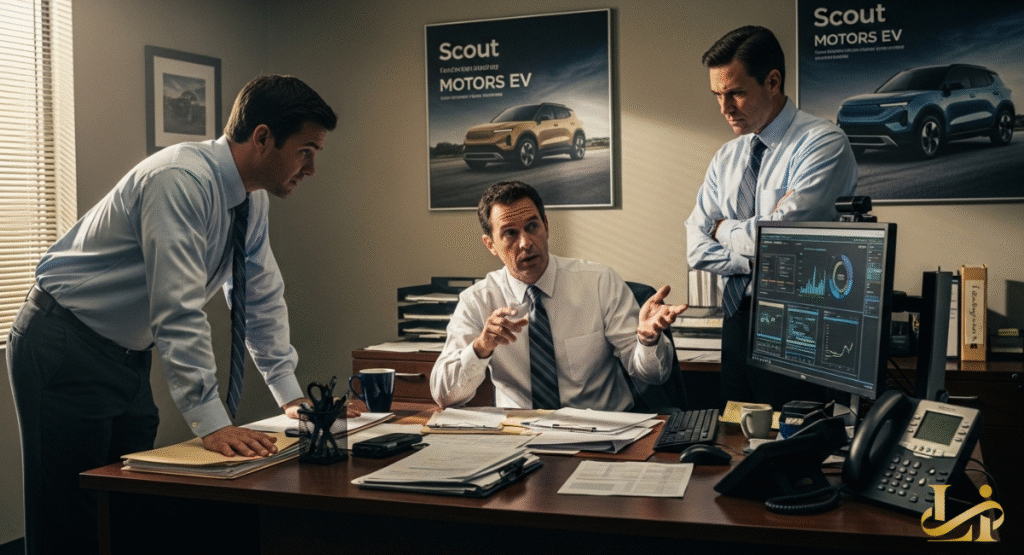
U.S. dealership laws were developed decades ago to protect local businesses. These franchise laws prevent manufacturers from dominating sales markets and ensure consumers have access to independent service networks.
However, electric vehicles are challenging these practices. Many EV companies favor direct sales to monitor demand, track reservations, and interact with customers more closely. This tension between old rules and new technology has fueled growing disputes in the industry.
Latest Lawsuits Seeking to Stop Volkswagen From Bypassing Dealerships
The legal timeline for Scout Motors has expanded quickly. Early challenges focused on corporate ownership and Volkswagen Group connections. More recent filings target the company’s plans to launch vehicles without traditional dealers.
Courts in several states are reviewing these cases under U.S. franchise dealership laws. If dealers prevail, Scout Motors could be forced to revise its sales strategy before production begins.
Scott Keogh on Reservations, the EREV Harvester and Manufacturing Trade-Offs
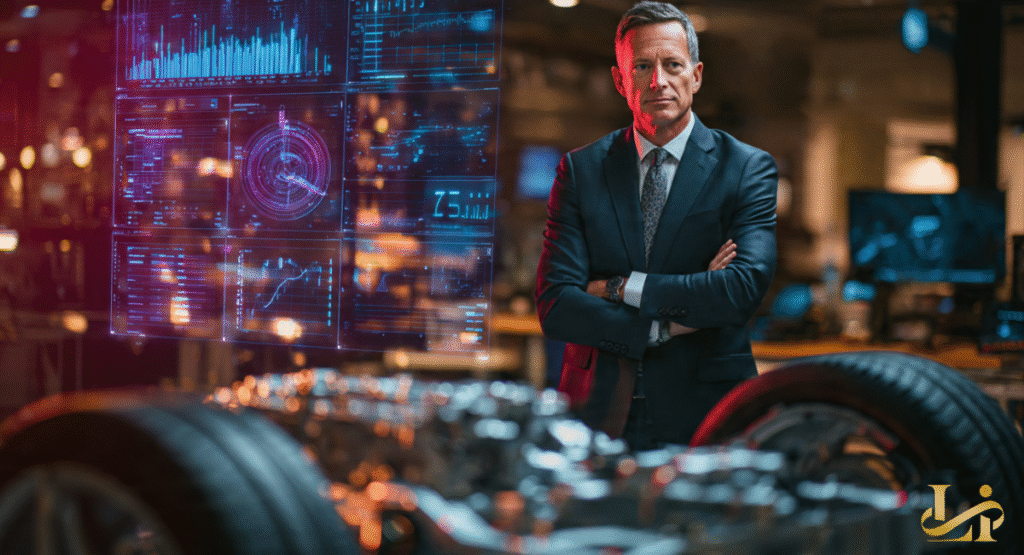
According to Scott Keogh, consumer demand remains strong despite legal challenges. Scout Motors reports high reservation numbers for both the Scout Traveler and Scout Terra, the core models of the upcoming lineup.
A key innovation is the Harvester extended-range electric system, which pairs a 63 kWh battery with a generator. This allows roughly 150 miles of pure electric driving before the gasoline generator activates. Engineers designed the system with a rear-mounted engine module to support the range extender, simplifying manufacturing while affecting cargo layout and weight distribution.
Key Technical Specifications of Scout Harvester EREV
| Feature | Estimated Value |
|---|---|
| Battery Size | 63 kWh |
| Electric Range | 150 miles |
| Combined Range | 500 miles |
| Powertrain Type | Extended-range electric |
| Production Target | EV production launch 2027 |
Scout Motors’ Electric SUV Plans and Market Positioning
Scout Motors aims to compete directly in the off-road EV segment. The Scout Traveler targets buyers seeking rugged performance with modern electric technology, while the Scout Terra pickup appeals to drivers needing utility and long-range capability.
These vehicles will compete with established electric trucks while offering up to 500 miles of range via the Harvester EREV system. Despite the promise of long-range performance, the company will need to address questions about towing capacity and utility for its pickup platform.
Impact of the Dispute on Volkswagen’s U.S. Business
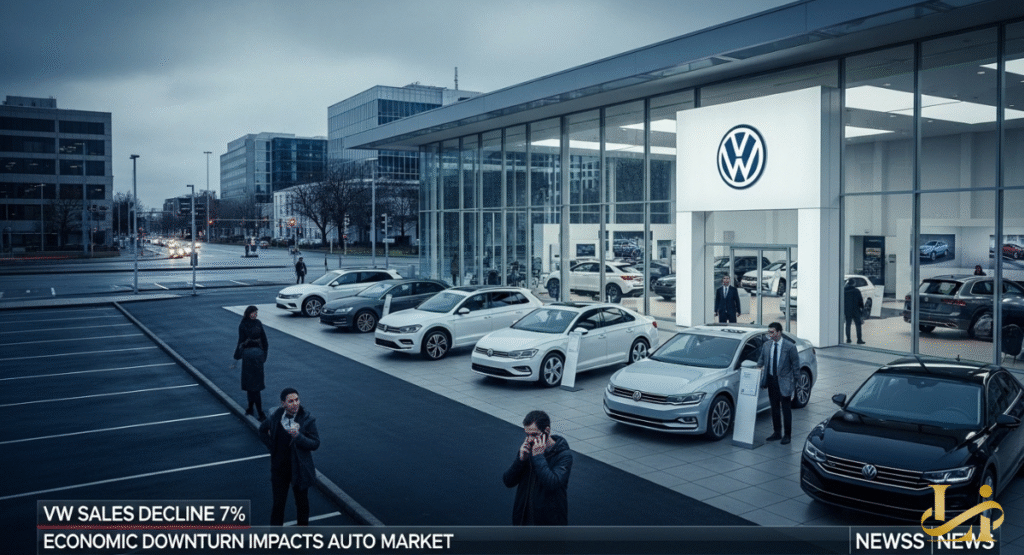
The legal conflict could influence Volkswagen Group’s broader strategy in North America. Dealers worry that Scout Motors’ lawsuit may signal a shift toward direct retail across the brand’s lineup.
If courts rule against Scout Motors, the company might have to adopt traditional dealerships. Such a decision could disrupt the timeline for its EV production and delay the planned 2027 launch of its vehicles.
Legal Challenges, Market Positioning and What Comes Next
Legal experts suggest the outcome may reshape the future of EV retail in the U.S. If Scout Motors’ direct sales model succeeds, other automakers could follow, transforming the industry’s distribution model.
If courts side with dealers under franchise laws, traditional dealerships will retain strong control over vehicle sales, limiting the expansion of direct-to-consumer sales in the U.S.
Videos and Additional Coverage of the Volkswagen Scout Motors Dispute

Automotive analysts continue to examine Scout Motors’ growing conflict. Media coverage emphasizes the tension between innovation and longstanding dealership laws. Interviews with Scott Keogh and dealership groups reveal how EV launch delays, engineering decisions, and legal challenges are shaping the company’s journey toward its vehicle launch.
Key Market Facts About Scout Motors
| Category | Details |
|---|---|
| Parent Company | Volkswagen Group |
| Planned Launch | 2027 |
| Main Models | Scout Traveler, Scout Terra |
| Powertrain | Harvester extended-range electric |
| Estimated Range | 500 miles combined |
The story of Scout Motors reflects a major transformation in the automotive industry. Electric vehicles bring new technologies and business models, but existing dealership laws continue to influence how cars reach consumers. As lawsuits progress, the company’s future remains uncertain, potentially reshaping vehicle sales across the United States.
FAQS
Is Scout Motors owned by VW?
Yes. Scout Motors is owned by Volkswagen Group, which revived the Scout brand in 2022 to build electric SUVs and trucks in the U.S.
How much does Scout Motors cost?
Upcoming vehicles like the Scout Traveler and Scout Terra are expected to start under $60,000, with some estimates around $50,000 depending on incentives.
Is the Scout just a Rivian?
No. Scout Motors vehicles are built on their own platform, separate from Rivian, though they compete in the same electric truck and SUV market.
Where will Scout Motors be built?
Scout vehicles will be manufactured at a new $2 billion factory in Blythewood, South Carolina, with production planned to begin around 2027.
When did Scout Motors stop making cars?
The original Scout vehicles from International Harvester ceased production in 1980, before Volkswagen revived the brand decades later.

I write about the world of luxury, from timeless style to premium living, inspiring readers to embrace elegance in everyday life.