The media world took notice when veteran CBS News producer Mary Walsh announced her departure after 46 years at the network. She cited concerns about political bias and changes in editorial direction under current leadership. Her exit has sparked discussions about the balance between journalistic integrity and corporate influence, especially as Paramount Skydance’s bid for Warner Bros looms over major U.S. media outlets. Industry insiders worry about editorial control and potential self-censorship among reporters. Walsh’s departure not only signals a shakeup in the media industry but also raises questions about how ownership changes can affect the credibility of trusted news organizations like CBS.
Who Is the CBS News Producer Leaving After 46 Years?
Mary Walsh is a celebrated CBS News producer whose career spans nearly half a century. She played a pivotal role during the Cronkite era, contributing to groundbreaking coverage of major national and international events. Over the years, Walsh mentored younger journalists and worked on iconic programs like 60 Minutes, earning widespread respect for her professionalism and dedication.
Colleagues describe her as an institution at CBS News, someone who upheld journalistic standards even amid ownership changes and editorial shifts. Her departure is seen as a significant loss, highlighting both the challenges veteran journalists face and the pressures of today’s media landscape. Walsh’s career stands as a testament to commitment and excellence in journalism.
Allegations of Political Bias at CBS News
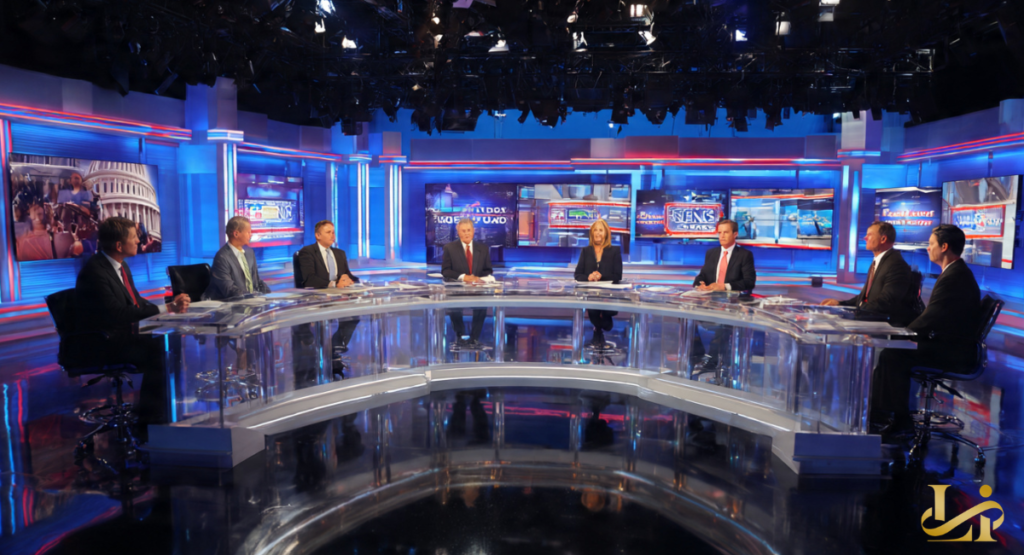
In her farewell memo, Walsh shared concerns that CBS employees were sometimes asked to steer reporting toward a particular political viewpoint. She admitted, “I don’t know how to do that,” highlighting the tension between professional standards and corporate expectations.
Walsh wasn’t alone in feeling this pressure. Other producers, including Alicia Hastey, said editorial expectations sometimes discouraged them from challenging certain narratives. A notable example involved a 60 Minutes report on El Salvador’s prisons, which was pulled at the last minute. Stories like these show how political influence can affect newsroom decisions and raise concerns about public trust in news outlets traditionally seen as impartial.
How Paramount’s Warner Bros Acquisition Ties In
Paramount Skydance, led by David Ellison, is in advanced talks to acquire Warner Bros. Discovery. This potential merger has sparked worries that CBS’s current editorial challenges could repeat elsewhere, with CNN and other networks potentially experiencing similar pressures. Large mergers often bring leadership changes, programming shifts, and new editorial priorities, which can make it harder for newsrooms to maintain independence.
The timing of Walsh’s departure adds to the speculation that changes in ownership may influence editorial direction. These developments affect not just CBS but also audience trust, newsroom morale, and broader perceptions of media credibility.
CBS News Legacy: From Cronkite to Today

CBS News has a storied history, dating back to the leadership of Walter Cronkite, whose reporting became a benchmark for trustworthy journalism. Programs like 60 Minutes helped the network cover major political, social, and international events with depth and accuracy. Over decades, CBS earned a reputation for excellence and objectivity, serving as a model for other networks.
Today, CBS faces new challenges. Corporate mergers, political influence, and changing media habits have reshaped newsroom operations. Buyouts, restructuring, and editorial leadership changes have created uncertainty for staff and viewers alike. The network now faces the challenge of delivering credible journalism while staying profitable and relevant.
Mary Walsh and Insider Perspectives on the Departure
Colleagues describe Walsh’s exit as “pretty huge,” emphasizing her role as a stabilizing force in the newsroom. CBS News President Tom Cibrowski acknowledged her contributions during a staff-wide call, while veteran producer Kate Rydell, also departing, received similar recognition.
Staffers noted that Walsh’s farewell memo highlighted systemic challenges. Many expressed concerns over editorial interference and pressure to follow political biases, raising worries that corporate ownership is increasingly shaping coverage rather than journalistic standards.
Impact on CBS News Staff and Operations

The departure of Walsh and other veteran producers has immediate effects on staff morale and workflow. Buyouts and exits leave gaps in institutional knowledge, making it harder for remaining employees to maintain high-quality reporting. Newsroom operations must adapt quickly, which can increase stress and reduce efficiency.
Tracking staff departures over the past five years shows a pattern: buyouts and veteran exits often correlate with declining morale. Leadership changes and external merger pressures can challenge CBS’s ability to deliver consistent, trustworthy journalism, potentially affecting viewer confidence and brand credibility.
Broader Implications for Media Ownership
The CBS situation reflects broader trends in U.S. media, where mergers like Paramount Skydance’s Warner Bros bid can consolidate power and influence editorial decisions. Critics warn that corporate control risks homogenizing news coverage and limiting journalistic freedom. Past acquisitions of local media by national conglomerates show how profit motives can clash with unbiased reporting.
Experts caution that audience trust may decline if networks prioritize political or corporate agendas over integrity. CBS’s experience illustrates the delicate balance between ownership, editorial independence, and public perception in a rapidly consolidating media landscape.
Public and Audience Reaction

Social media has been buzzing since Walsh’s departure. Hashtags about CBS producer exits and editorial bias trends gained traction, sparking debates about the network’s credibility. Analysts suggest that the public is watching closely to see if CBS remains transparent amid corporate and political pressures.
Audience feedback also reflects concern about self-censorship, with viewers worried some stories may no longer be reported objectively. Younger audiences, in particular, are sensitive to bias, emphasizing the importance of trust in legacy news networks like CBS.
What This Means for the Future of CBS News
Looking ahead, CBS must carefully navigate leadership and editorial decisions to maintain credibility. Potential strategies include reinforcing editorial independence, clear communication with staff, and preserving CBS News’ core journalistic principles.
The network may also explore talent retention, technology upgrades, and audience engagement efforts to counter uncertainty from departures and merger speculation. Striking a balance between public trust and corporate pressures will be key to CBS’s ongoing success.
Table: Key CBS News Staff Departures and Timeline
| Name | Role | Years at CBS | Departure Reason |
|---|---|---|---|
| Mary Walsh | Veteran Producer | 46 | Political bias concerns |
| Kate Rydell | Senior Producer | 35+ | Buyout |
| Alicia Hastey | Producer | 28 | Editorial interference |
| Anderson Cooper | Anchor (60 Minutes) | 20+ | Leadership changes |
FAQS
What caused the CBS News producer to leave after 46 years?
The departure happened due to concerns about political bias and changes in editorial direction under new leadership.
Who is Mary Walsh in CBS News?
Mary Walsh is a veteran producer with 46 years of experience, respected for her work since the Cronkite era.
How does Paramount’s Warner Bros bid affect CBS News?
The Paramount Skydance Warner Bros bid raises concerns that corporate influence could shift CBS News editorial control and newsroom priorities.
What were the allegations of political bias at CBS News?
Journalists said they were asked to target stories toward a specific political viewpoint, raising fears of self-censorship and compromised reporting.
What is the future of CBS News after these departures?
With veteran staff leaving, CBS may face editorial leadership changes, restructuring, and shifts in coverage style and credibility.

I write about the world of luxury, from timeless style to premium living, inspiring readers to embrace elegance in everyday life.