Electric vehicles are changing the way we move, offering a cleaner and more efficient alternative to traditional gasoline-powered cars in the USA.
Advances in lithium-ion batteries and fast-charging technology are making longer drives and quicker recharges possible, while sustainable battery innovations reduce environmental impact. Modern electric vehicles now feature carbon nanotube scaffolds and high-capacity battery anodes, allowing batteries to store more energy without sacrificing durability.
Drivers are increasingly drawn to electric vehicles that combine performance, efficiency, and eco-friendliness. As automakers continue to improve energy storage and expand charging networks, electric vehicles are becoming a practical choice for everyday use.
Lithium-Ion Battery Innovations for Higher Energy Storage
UK researchers have introduced the VISiCNT battery design, a breakthrough that grows carbon nanotubes on copper foil and coats them with silicon. This creates a lightweight, flexible, and highly conductive scaffold that accommodates expansion during charging.
The result is high-capacity battery anodes capable of storing over 3500 milliampere-hours per gram almost ten times more than traditional graphite anodes. Laboratory tests show improved cycle stability and charge capacity, ensuring long-term durability for EV owners.
This innovation tackles one of the biggest challenges in electric vehicles: balancing energy density with battery lifespan. The new design offers a practical path to high-capacity lithium-ion batteries scalable for industrial production.
As Professor Ravi Silva of the University of Surrey explains, integrating CNT-silicon anodes into existing production lines marks a significant step toward wider adoption. Soon, electric vehicles in the USA could benefit from fast-charging, high-capacity batteries that maintain performance over time.
| Battery Type | Energy Density (mAh/g) | Cycle Life | Key Feature |
|---|---|---|---|
| Graphite Anode | 370 | 500 | Standard lithium-ion |
| VISiCNT Si-CNT Anode | 3500 | 1000+ | High-capacity, flexible, fast-charging |
Semi-Solid-State EV Batteries Launching in Europe
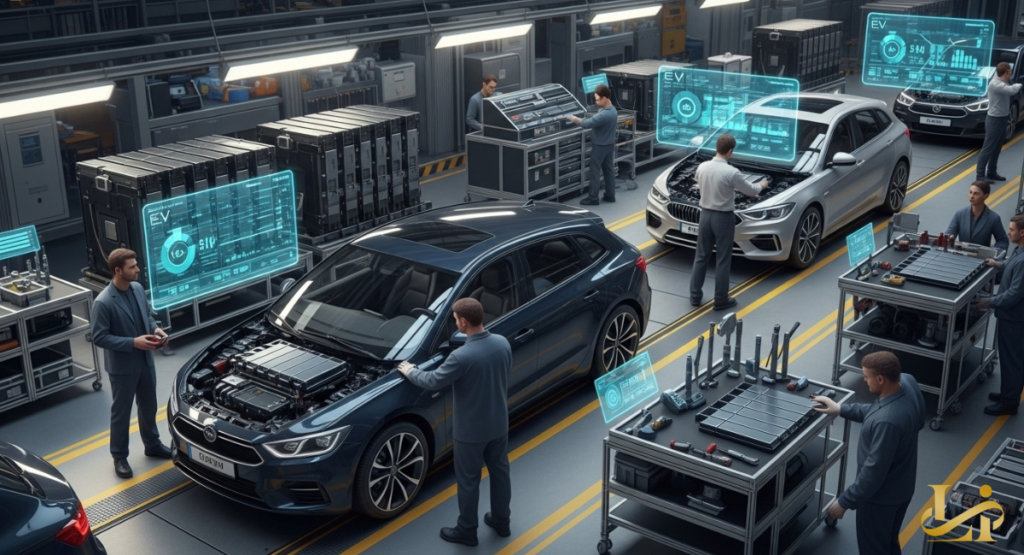
Advanced manufacturing and quality control for next-gen electric vehicle battery packs.
The first electric vehicles with semi-solid-state batteries are now entering European markets, led by MG and other innovative automakers. These batteries enhance safety by reducing risks of leakage and thermal runaway common in traditional liquid electrolytes. Semi-solid-state designs also allow faster charging and longer driving ranges, giving drivers confidence on long trips.
Analysts predict this technology will soon impact the USA, where electric vehicles are gaining popularity. By combining semi-solid-state chemistry with advanced manufacturing, automakers can improve energy density while maintaining durability. For consumers, this means quicker-charging, longer-lasting electric vehicles that also minimize the environmental footprint of battery replacements.
| Feature | Traditional Li-Ion | Semi-Solid-State |
|---|---|---|
| Energy Density | Moderate | High |
| Safety | Moderate | High |
| Charging Speed | Standard | Fast |
| Cycle Life | 500–1000 | 1000+ |
Hybrid Silane-Terminated Polymer Adhesives in EV Assembly
Battery packs need more than just advanced cells they require materials that hold them together and manage heat. Hybrid silane-terminated polymer adhesives play a critical role in electric vehicles. These adhesives provide sealing, bonding, edge bonding, and thermal management, keeping battery packs stable over thousands of cycles. They also ensure performance in extreme temperatures, which is essential given the USA’s diverse climates.
By integrating with copper foil and silicon layer coatings, these adhesives create a seamless interface between battery components. Manufacturers using scalable lithium-ion methods benefit from reduced assembly time and improved reliability. This approach results in more durable and sustainable electric vehicles, ready to meet the demands of modern drivers.
Market Segmentation and Vehicle Applications
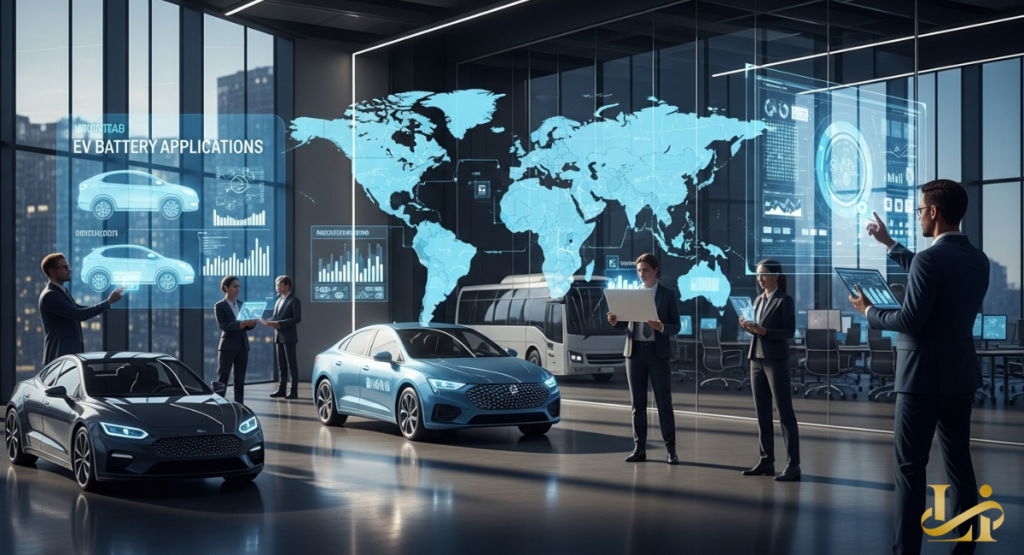
EV battery technologies now serve multiple vehicle classes, including passenger electric vehicles, light commercial vans, and electric buses. Market segments are defined by polymer backbone (polyether STP, polyurethane STP, acrylic hybrid), application zones (sealing, bonding, gap filling), cure systems (1K moisture, 2K reactive, heat-assisted), and pack architecture (cell-to-pack, module-to-pack). Each combination influences performance, durability, and cost.
Passenger electric vehicles lead adoption in the USA, but commercial fleets are growing. Delivery vans, electric buses, and specialized vehicles increasingly rely on high-capacity battery anodes and advanced manufacturing for long-range reliability. Understanding these segments helps investors and manufacturers target growth opportunities effectively.
| Segment | Application | Vehicle Type | Growth Potential |
|---|---|---|---|
| Polyurethane STP | Gap Filling | Electric Bus | High |
| Polyether STP | Thermal Bonding | Passenger EV | Medium |
| Acrylic Hybrid | Edge Bonding | Light Commercial | High |
EV Battery Technology Beyond Automobiles
While passenger electric vehicles remain the primary application, battery innovations also extend to grid storage and microelectronics. VISiCNT anodes, for example, offer long-lasting batteries for portable devices, improving efficiency in microelectronics. Large-scale grid storage could stabilize renewable energy, storing solar and wind power for later use.
In the USA, pilot projects are testing ways to repurpose EV battery technology for energy storage. Utilities can reduce dependence on fossil fuels while increasing storage efficiency. This dual-use approach also provides manufacturers with new revenue streams beyond vehicle sales.
Market Size, Forecast, and Regional Analysis

Leadership team reviews market size, manufacturer data, and 2035 projections.
The EV battery market is projected to grow significantly from 2026 to 2036. In the USA, government incentives, rising demand, and industry support drive rapid adoption. Semi-solid-state and lithium-ion technologies dominate, while hybrid adhesives add further value.
| Region | Market Size 2026 ($B) | Forecast 2036 ($B) | CAGR |
|---|---|---|---|
| USA | 25 | 120 | 15% |
| Europe | 20 | 100 | 14% |
| Asia-Pacific | 40 | 200 | 16% |
High-growth regions include California, Texas, and the Midwest, where EV adoption and battery production are expanding rapidly.
Competitive Landscape and Key Industry Players
Leading players in the USA include Tesla, LG Energy Solution, Panasonic, and Solid Power. They are investing in lithium-ion and semi-solid-state batteries, as well as integrating CNT-silicon anodes into production lines. Strategic partnerships, research collaborations, and acquisitions drive competitiveness.
Consumers benefit from this competition with longer-range, safer, and faster-charging electric vehicles. Companies are focused on scaling production, reducing costs, and improving energy density to deliver the next generation of electric vehicles.
Advantages and Challenges of Next-Gen EV Batteries

Research team studies semi-solid-state technology, safety features, and scalability.
Next-gen EV batteries offer higher energy density, better cycle stability, and faster charging. VISiCNT battery designs enable high-capacity anodes, while semi-solid-state chemistry reduces risks like leakage and thermal events.
Challenges remain, including high production costs, complex integration, and thermal management. Engineers are working on combining carbon nanotube scaffolds, silicon coatings, and hybrid adhesives to overcome these hurdles. The goal is to deliver reliable, long-lasting electric vehicles at scale for American consumers.
Future Trends and Innovation in EV Energy Storage
The next decade promises exciting advancements for electric vehicles. Researchers are exploring solid-state batteries, silicon–carbon nanotube systems, and hybrid adhesives. Innovations aim to increase energy density, reduce charging time, and minimize environmental impact.
As battery technologies advance, electric vehicles will become more practical and affordable, accelerating adoption in the USA. Grid storage applications and long-lasting batteries for microelectronics will further expand the reach of these innovations. Companies investing in energy storage breakthroughs today are paving the way for a cleaner, more efficient transportation future.
FAQS
What is the best electric vehicle for the money?
The Tesla Model 3 is considered the best value, offering long range, advanced features, and strong resale potential.
What is the #1 electric car?
The Tesla Model Y ranks as the most popular electric vehicle in the USA due to its versatility, range, and high safety ratings.
Which EVs are eligible for $7,500 tax credit?
Many US-made electric vehicles qualify, including Tesla Model 3, Chevrolet Bolt, and Ford Mustang Mach-E, subject to income and purchase limits.
What is the biggest problem with electric cars?
Charging infrastructure and range anxiety remain challenges, as some areas still have limited fast-charging options.
Which electric cars have the least problems?
Reliable electric vehicles include Tesla Model 3, Hyundai Ioniq 5, and Kia EV6, known for low maintenance issues.

I write about the world of luxury, from timeless style to premium living, inspiring readers to embrace elegance in everyday life.