Air travel worldwide is facing unprecedented disruptions, leaving travelers frustrated and airlines scrambling to keep up. Severe winter weather, staffing shortages, and operational challenges have triggered widespread flight cancellations and delays across North America, Europe, the Middle East, and Asia.
Airports are overwhelmed, with passengers often waiting for hours for updates. In Canada and the USA, hundreds of flights have already been delayed, affecting both domestic and international travelers. The impact is not just logistical—it also carries significant economic consequences for airlines, airports, and passengers alike. This article will walk you through everything you need to know about flight cancellations and delays, including the most affected airports, airlines, and helpful tips for travelers.
Overview of Current Flight Disruptions
The scale of flight cancellations and delays in recent weeks is staggering. In North America alone, more than 5,000 flights have been delayed, with hundreds more canceled. Airlines report that harsh winter weather combined with staffing shortages is largely responsible.
Passengers are strongly encouraged to check flight statuses regularly to avoid long waits at busy terminals. Major Canadian and U.S. airports are struggling to handle the surge, while international routes are seeing ripple effects across the globe. Understanding the current situation can help travelers plan ahead and minimize stress.
Canada: Airports and Airlines Most Affected
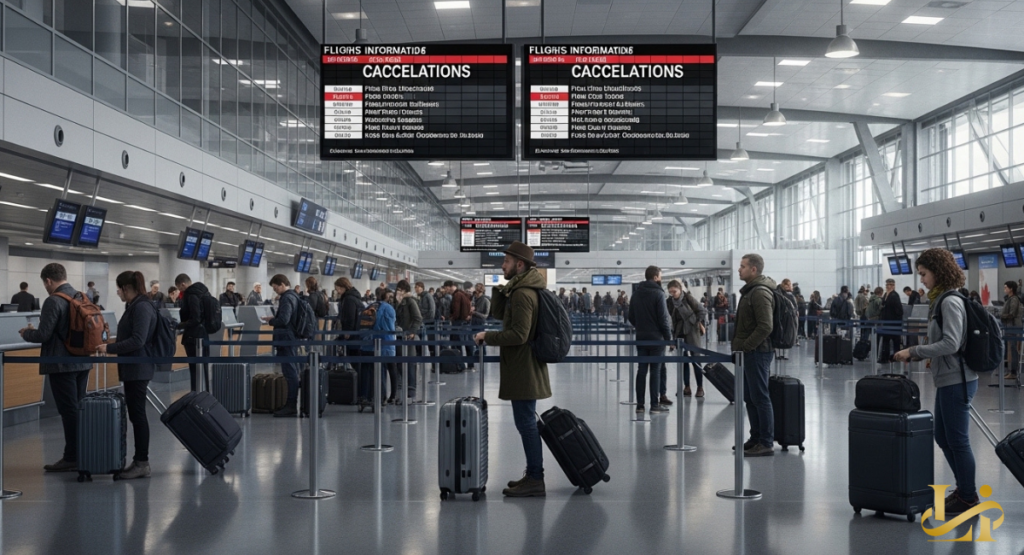
In Canada, over 400 flights have been delayed and several canceled due to severe winter weather. Major airports such as Toronto Pearson, Vancouver International, and Montreal-Trudeau have seen significant operational challenges. Airlines like Air Canada, WestJet, and Porter Airlines report widespread flight cancellations and delays, leaving many passengers stranded in terminals.
| Airport | Airline | Flights Cancelled | Flights Delayed |
|---|---|---|---|
| Toronto Pearson | Air Canada | 50 | 120 |
| Vancouver Intl | WestJet | 30 | 80 |
| Montreal-Trudeau | Air Canada | 20 | 60 |
The winter storms are particularly intense in major cities, affecting both domestic and international flights. Travelers are encouraged to monitor airline websites before leaving home, as last-minute cancellations remain common.
Canadian airports have increased staffing and issued travel advisories to help passengers navigate the disruptions. Subscribing to airport alerts or airline notifications is highly recommended for anyone traveling during this period.
USA: Flight Cancellations and Delays Overview
Across the United States, flight cancellations and delays are widespread. On a single day, 415 flights were canceled and nearly 4,000 were delayed at major hubs. Airlines including American, Delta, Spirit, and SkyWest are facing operational challenges affecting thousands of passengers.
Airports in Atlanta, Dallas, Chicago, Houston, Los Angeles, and San Francisco have experienced the highest impact. Causes range from severe winter weather to mechanical issues and crew shortages. Travelers are advised to arrive early and stay flexible with their travel plans to navigate potential disruptions.
International flights from U.S. hubs are also affected, creating further delays on connecting routes. Travel insurance and airline support have become essential for passengers facing flight cancellations and delays.
Most Affected USA Airports and Airlines
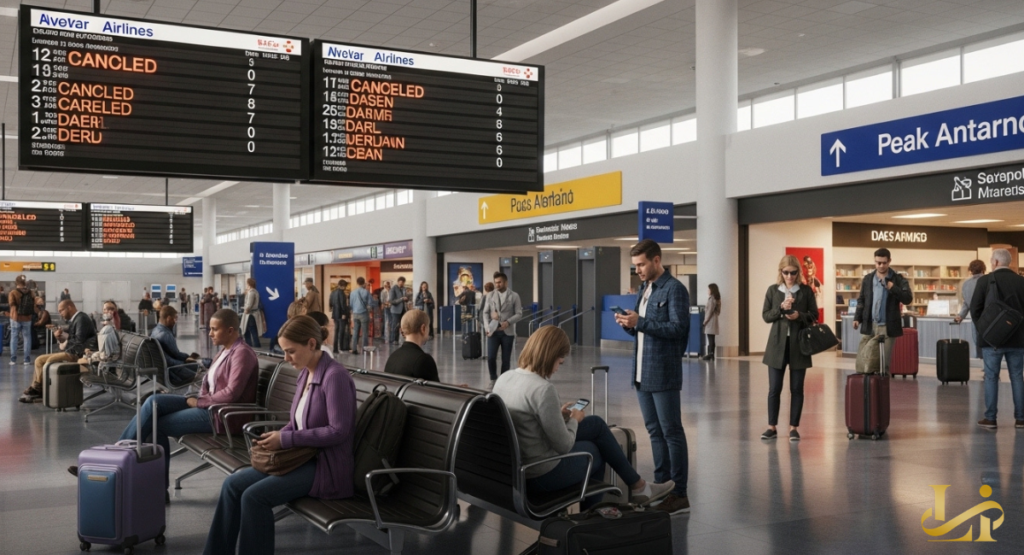
Some of the busiest U.S. airports have been hit hardest, including Atlanta Hartsfield-Jackson, Dallas/Fort Worth, Chicago O’Hare, Los Angeles International, and San Francisco International. Airlines such as American, Delta, Spirit, and Southwest are working to manage their schedules amid the disruptions. Despite constant updates, passengers are still experiencing long waits.
| Airport | Airline | Delays | Cancellations |
|---|---|---|---|
| Atlanta Hartsfield-Jackson | Delta | 900 | 120 |
| Dallas/Fort Worth | American | 800 | 100 |
| Chicago O’Hare | United | 700 | 80 |
| Los Angeles Intl | Spirit | 600 | 70 |
| San Francisco Intl | Southwest | 500 | 60 |
Passengers should regularly check flight statuses and use airline apps for real-time updates. Options for rebooking or compensation are often available for those impacted by flight cancellations and delays.
Tips for Impacted Passengers
If your flight is canceled or delayed, acting quickly can save hours of frustration. Contact your airline immediately to rebook or request a refund. Many airlines allow online changes, which can make the process faster.
Monitoring official airport websites and subscribing to alerts is highly recommended. Flexible itineraries and travel insurance can ease the stress of unexpected flight cancellations and delays. Carrying snacks, chargers, and entertainment can make long waits more manageable.
In some cases, airlines may provide vouchers or hotel accommodations for overnight disruptions. Staying calm and informed is essential for navigating air travel challenges.
Europe, Middle East, and Asia: Flight Disruptions Overview
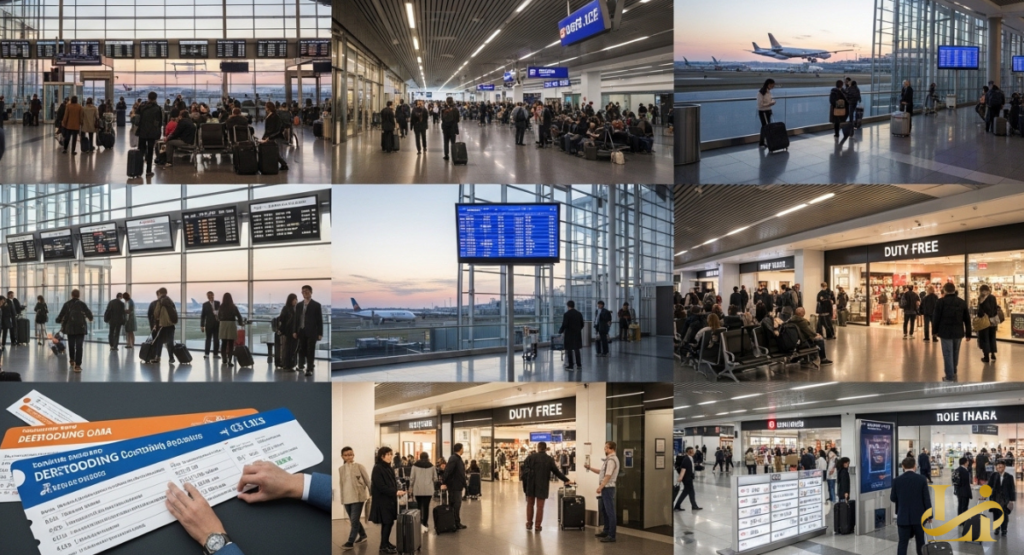
Flight cancellations and delays are not limited to North America. Airports across Europe, the Middle East, and Asia are also experiencing significant disruptions. London Heathrow, Frankfurt, Dubai International, and Hong Kong International have reported delays due to adverse weather and technical issues.
Airlines such as Lufthansa, Emirates, and Cathay Pacific are adjusting schedules to minimize passenger impact. International travelers are encouraged to check flights and confirm connections, as weather-related delays have also affected cargo operations, disrupting global supply chains. Staying informed and flexible is crucial during these disruptions.
Regional News & Updates
Local updates are key to managing flight cancellations and delays. In Canada, snowstorms continue to affect the east coast, while high winds impact the west. In the U.S., winter storms have delayed flights across major hubs, including Chicago and Atlanta.
Airlines provide passenger advisories via social media and official apps. Staying updated on airport news and government travel advisories can help avoid unnecessary trips to terminals and reduce stress during travel disruptions.
Additional Resources and Newsletters

To stay ahead of flight cancellations and delays, consider subscribing to airline and airport newsletters. Email notifications can alert you to new disruptions, alternate flights, and travel advisories.
Mobile apps like FlightRadar24 and TripIt also provide real-time updates on flight progress. Staying informed is one of the best ways to minimize stress and ensure a smoother travel experience, even when unexpected disruptions occur.
FAQS
What am I entitled to if my flight is cancelled or delayed?
You may be entitled to a full refund, rebooking on the next available flight, meals, accommodation, and sometimes monetary compensation depending on airline policy and regulations.
How long does a flight have to get delayed to get compensation?
Delays of three hours or more often qualify for compensation under many airline and regional rules.
How long does a flight have to be delayed to get compensation?
Most airlines consider delays over three hours eligible for compensation, though policies vary by country and carrier.
What happens if my flight is delayed then cancelled?
You are generally entitled to a full refund or rebooking, plus additional compensation for meals, accommodation, or inconvenience if applicable.
How much do airlines have to pay for delay?
Compensation depends on airline and region, ranging from $250 to $600 for long delays under regulations such as EU261, though specifics vary.

I write about the world of luxury, from timeless style to premium living, inspiring readers to embrace elegance in everyday life.