Beef Season 2 returns with a more grounded emotional tone, focusing on human relationships, personal conflict, and the consequences of everyday misunderstandings. Unlike typical high-drama series, this season leans into subtle emotional storytelling that feels closer to real life.
The return of Beef Season 2 has sparked strong interest across audiences in the USA, especially due to its deeper focus on identity, relationships, and cultural tension. What makes Beef Season 2 stand out is how it continues to explore emotional realism without relying on exaggerated drama.
Fans are also closely watching the cast expansion, as new and returning characters add complexity to the storyline. The evolution of Beef Season 2 also highlights how modern storytelling can reflect generational struggles and cultural identity in meaningful ways.
Beef Season 2 Cast and Netflix Creative Team Reveal Major Details in Washington D.C.
A private screening event in Washington D.C. gave early viewers a closer look at the new season. The atmosphere was intimate and reflective, bringing together creators, cast members, and cultural figures.
During the event, Beef Season 2 was discussed not just as entertainment, but as a reflection of modern identity and cross-cultural storytelling. The conversations emphasized how the show connects personal emotion with broader social themes.
Cast members shared that working on Beef Season 2 allowed them to explore more emotionally complex roles. Their performances reflect deeper internal struggles, making the story feel more authentic and relatable.
Showrunner Lee Sung Jin and Cast Members Discuss Story Direction and Character Evolution

Writers’ room choices turn personal history into universal conflict.
Showrunner Lee Sung Jin explained that this season shifts focus from external conflict to internal emotional battles. Characters are now dealing more with personal regret, identity, and unresolved emotions.
According to the creative team, Beef Season 2 emphasizes psychological depth over surface-level drama. This makes each storyline feel more grounded and human.
Actors like Youn Yuh-jung and Seoyeon Jang bring emotional nuance to their roles, helping to highlight generational differences and cultural expectations. Their performances make Beef Season 2 feel layered and emotionally rich.
Netflix Executive Jinny Howe on Expanding Beef Seasons 1 and 2 for Global Audience
Netflix executive Jinny Howe shared that the success of the series comes from its emotional honesty and universal themes. She explained that audiences around the world connect with stories that feel personal and real.
She also noted that Beef Season 2 benefits from a thoughtful production approach, where storytelling quality was prioritized over fast expansion.
According to her, the strength of Beef Season 2 lies in how it balances cultural specificity with universal emotional experiences, making it appealing to a global audience.
Beef Season 2 Plot Overview and How It Continues the Original Series Themes

Petty incidents spiral into revenge, class shame, and existential panic.
The storyline continues to explore emotional conflict, misunderstandings, and personal consequences. However, this season expands its focus on how small decisions can lead to long-term emotional damage.
Unlike traditional drama formats, Beef Season 2 presents conflict in a more realistic and subtle way. It focuses on how pride, communication gaps, and emotional triggers shape relationships.
The narrative of Beef Season 2 also builds on themes introduced in the previous season, but with a more mature and reflective tone. Characters are now facing the lasting impact of their choices.
Real-Life Inspiration Behind the Biggest Beef Season 2 Storyline Explained
Writers drew inspiration from everyday emotional experiences rather than exaggerated fictional events. Small misunderstandings, miscommunication, and pride-driven reactions all play a role in shaping the story.
This grounded approach makes Beef Season 2 feel more relatable, as viewers can recognize similar situations in their own lives.
The emotional foundation of Beef Season 2 is built on the idea that even minor conflicts can escalate when people fail to communicate effectively.
Beef Season 2 Explores Generational Conflict Between Two Very Different Couples

Old wounds and new money collide in tense living rooms.
At its core, the series highlights the emotional gap between generations. Two couples represent different values, lifestyles, and emotional perspectives.
One reflects traditional expectations, while the other embraces a more modern and independent worldview. This contrast adds depth to the storytelling.
Through these relationships, Beef Season 2 explores how cultural identity evolves while still being shaped by family expectations and emotional history.
Parents Guide Breakdown: Violence, Strong Language, Sexual Content, and TV-MA Rating
The TV-MA rating reflects the mature emotional themes and realistic portrayal of conflict. The series includes strong language and emotionally intense scenes.
Violence is not stylized but instead presented as emotional expression and consequence. Dialogue often reflects frustration, anger, and unresolved tension between characters.
| Category | Intensity |
|---|---|
| Violence | Moderate to High |
| Language | Strong and frequent |
| Sexual Content | Limited but mature |
| Emotional Themes | Very intense |
This structure ensures Beef Season 2 remains realistic while appealing to adult audiences.
Korean American Culinary Collaboration Inspired by Beef Season 2 Cultural Themes
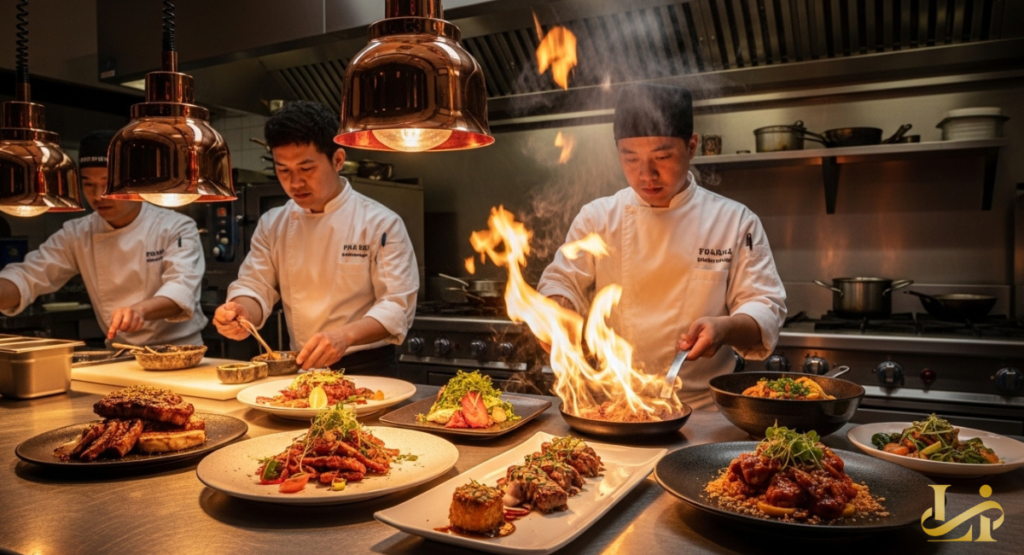
Food becomes a battleground and bridge for identity, pride, and resentment.
Food plays an important symbolic role in storytelling, representing memory, identity, and emotional connection between characters.
A creative collaboration with chefs Edward Lee and Danny Lee brought these ideas into real-world culinary experiences. The dishes were designed to reflect emotional themes from the show.
The Korean American chefs created menus inspired by conflict, reconciliation, and cultural identity, turning food into a form of storytelling inspired by Beef Season 2.
Critical Reception, Audience Reactions, and Why Beef Season 2 Is Trending on Netflix
Early audience reactions show strong emotional engagement, with viewers praising the realistic portrayal of relationships and conflict. Many critics highlight the storytelling depth and character development.
Viewers across the USA appreciate how the series reflects real emotional experiences rather than exaggerated drama. This authenticity is a key reason Beef Season 2 continues trending on Netflix.
The performances, writing, and cultural themes all contribute to its strong reception among both critics and general audiences.
Why Beef Season 2 Feels Different From Typical Netflix Dramas

It swaps clean arcs for messy people, dark comedy for discomfort, and closure for consequences.
What sets this series apart is its focus on emotional realism rather than spectacle. The characters feel flawed, human, and unpredictable.
New and returning cast members bring subtle performances that enhance the realism of the story. Every interaction feels grounded and believable.
Instead of relying on dramatic twists, Beef Season 2 focuses on emotional consequences and human behavior, making it more reflective of real life.
FAQs
What is Beef Season 2 about?
It focuses on emotional conflict, identity struggles, and the consequences of misunderstandings in relationships.
Who is in the cast?
The cast includes returning actors and new additions such as Youn Yuh-jung, Seoyeon Jang, and Matthew Kim.
Is it based on real life?
Yes, many story elements are inspired by real emotional conflicts and everyday misunderstandings.
Why is it rated TV-MA?
Due to strong language, emotional intensity, and mature relationship themes.
Why is it trending on Netflix?
Because of its realistic storytelling, emotional depth, and strong cultural relevance.

I write about the world of luxury, from timeless style to premium living, inspiring readers to embrace elegance in everyday life.