Bad Bunny stands on the brink of history as the headliner of the Super Bowl halftime show, marking a milestone in American entertainment and global pop culture. Born Benito Antonio Martínez Ocasio, this Puerto Rican artist’s performance crowns his meteoric rise from reggaeton and Latin trap sensation to worldwide superstar.
His music breaks language barriers, with albums topping charts across the U.S. and beyond, earning historic Grammy wins that highlight Spanish-language brilliance. Fans everywhere are buzzing with excitement for a halftime set that celebrates Latin rhythms while electrifying millions, promising a Super Bowl moment unlike any other.
Bad Bunny and the Super Bowl Halftime Show
The Super Bowl halftime show is more than a football interlude it’s a cultural event. For Bad Bunny, this stage becomes a statement about how America’s musical landscape has evolved.
Spanish lyrics now dominate playlists, and reggaeton fuels parties across the country. Seeing Bad Bunny headline confirms what audiences have long felt: the culture moved first, and television is now catching up.
Bad Bunny Confirmed as the Super Bowl LX Halftime Performer
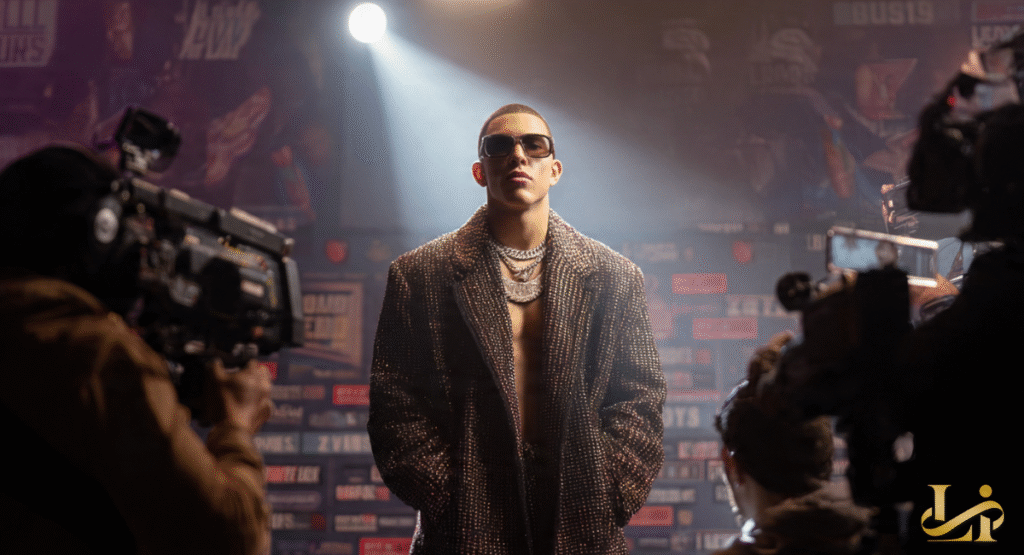
The announcement made headlines worldwide. He is the first artist with a primarily Spanish-language repertoire to headline the Super Bowl stage, making music history in the process.
This performance is about more than ratings—it’s about visibility. A Puerto Rican artist in this spotlight reshapes the event’s identity, welcoming millions who have long felt underrepresented.
Why Bad Bunny Was Chosen for the Super Bowl Halftime Show
The decision made sense strategically and culturally. His albums dominate streaming platforms, tours sell out instantly, and winning Grammy Album of the Year cemented his credibility across genres.
Bad Bunny’s crossover appeal is undeniable. English-speaking fans sing along to Spanish hooks, and younger audiences introduce parents to his music. This blend ensures the halftime show resonates broadly without compromising authenticity.
Cultural and Political Impact of Bad Bunny’s Super Bowl Performance
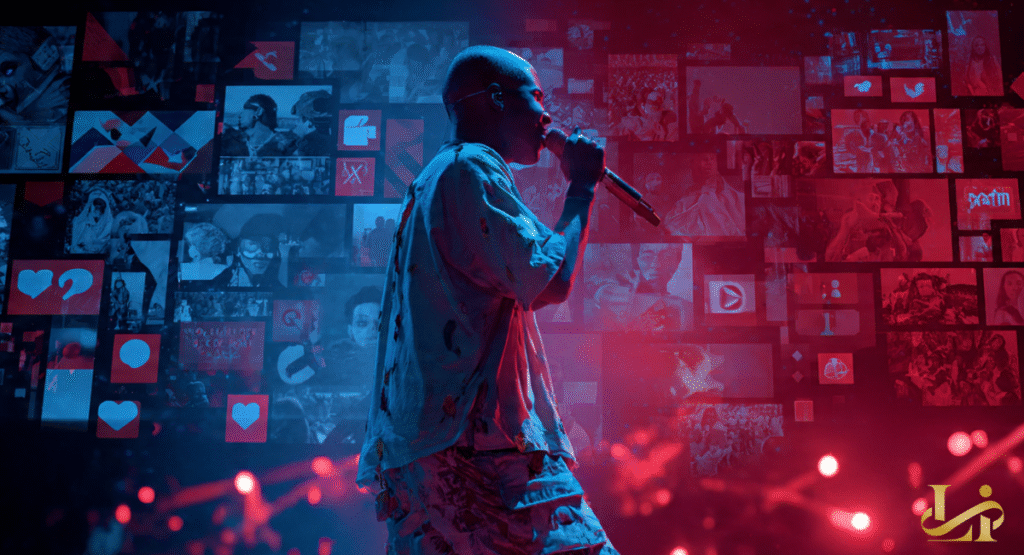
Bad Bunny’s lyrics often carry political weight, reflecting lived experiences rather than preaching. He raps about displacement, sings about memory, and shares stories that resonate deeply with listeners.
Many tracks capture the nostalgia and longing immigrants feel, especially Puerto Ricans living on the mainland. His storytelling roots the performance in authenticity, making cultural representation central to the show.
Reactions From Fans, Celebrities, and Public Figures
Reactions were immediate and widespread. Fans celebrated increased visibility, artists praised his courage, and athletes expressed excitement. The overall tone felt heartfelt and genuine.
Public figures framed the moment as cultural progress. Media coverage highlighted that Latin artists no longer need translation for mainstream success, showing how culture often moves faster than institutions.
MAGA Backlash and Political Debate Around the Halftime Show
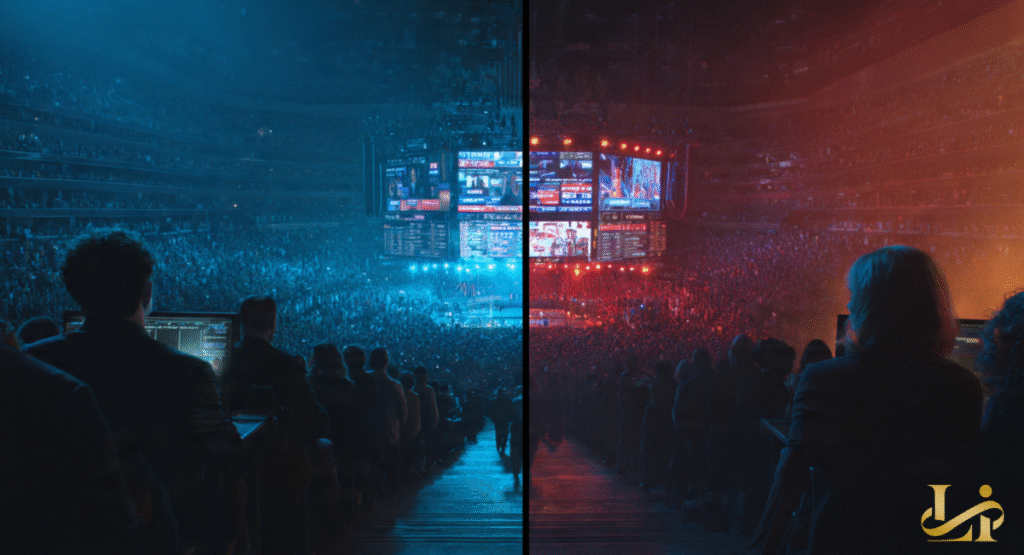
Not everyone celebrated. Some political groups criticized the choice, which is common when cultural change meets tradition.
Critics highlighted his activism, while supporters emphasized historical context. Discussions about gentrification in Puerto Rico resurfaced, and lyrics addressing tax incentives and displacement sparked debate. Comparisons to similar events in Hawaii amplified the conversation.
Bad Bunny Lyrics to Know Before the Super Bowl Halftime Show
Understanding his lyrics adds depth to the performance. Many songs balance intimacy with social commentary, referencing Hurricane Maria and the government’s response to its aftermath.
His words honor the Puerto Rican diaspora while challenging power structures, transforming the halftime show into a narrative with both emotion and meaning.
Songs Likely to Be Performed at the Super Bowl Halftime Show
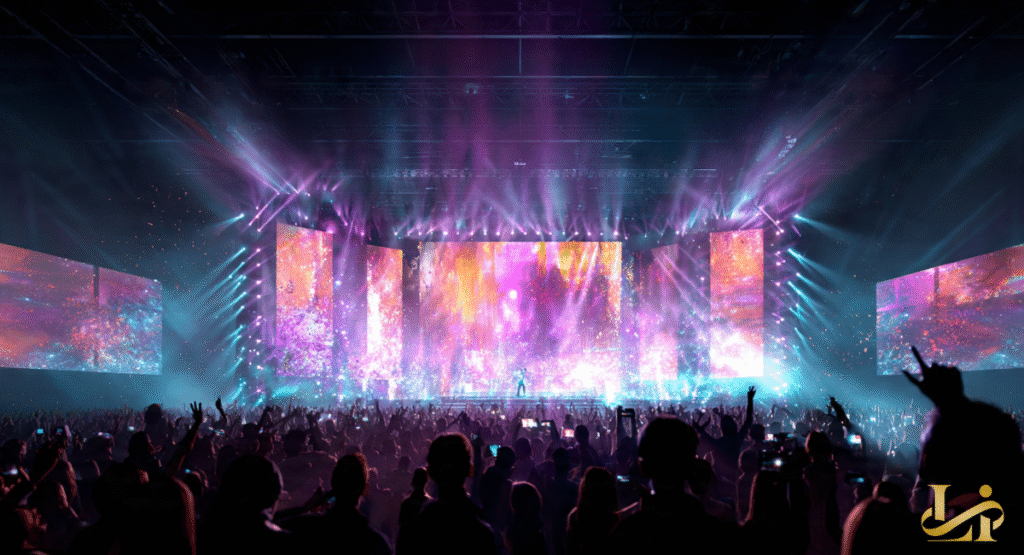
Fans have strong guesses about which tracks will appear. Emotional anthems will sit alongside celebratory beats, shaping the story told on stage.
| Song | Core Theme | Cultural Weight |
|---|---|---|
| DeBÍ TiRAR MáS FOToS | Memory | Migration |
| NUEVAYoL | Identity | Diaspora |
| BAILE INoLVIDABLE | Joy | Community |
These songs honor reggaeton culture while bridging celebration with reflection.
How Lyrics Shape the Performance Narrative
Lyrics guide movement and storytelling. Reggaeton dance, such as perreo, may appear playful, but its history reflects resistance and cultural expression.
Visuals—trees, flags, synchronized bodies—act as symbols of Puerto Rico and its people. In this way, the performance itself becomes a language that conveys identity and pride.
What Bad Bunny’s Performance Means for Latin Music
This moment opens doors for the entire Latin music community. The halftime show is no longer a novelty—it’s central to mainstream culture. Executives and younger artists alike see new opportunities for recognition and representation.
Bad Bunny’s headline validates Spanish-language success without compromise, and the ripple effects will influence festivals, radio, and sponsorships for years to come.
How Bad Bunny Could Unite Audiences Through Music
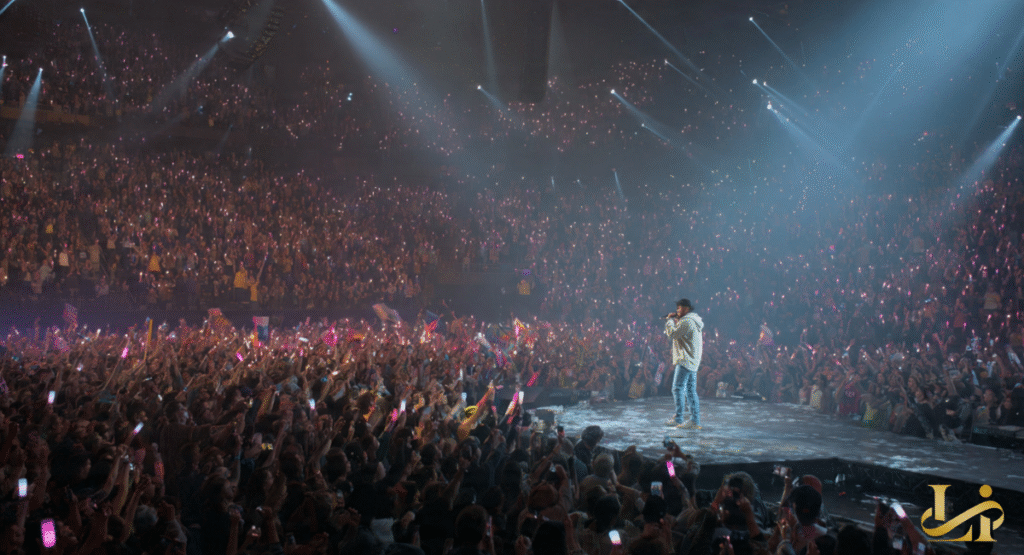
Music transcends barriers. Rhythm bypasses language, and emotion carries meaning. This show creates shared experiences, drawing sports fans, music lovers, and skeptics together.
For three-quarters of an hour, divisions blur. Sound becomes common ground, demonstrating why Bad Bunny is the perfect artist for this moment.
FAQs
How did Bad Bunny become famous?
Bad Bunny rose to fame by uploading music to SoundCloud, then broke through with viral hits and collaborations that brought Latin trap and reggaeton into the U.S. mainstream.
Why is Bad Bunny so popular in the United States?
His Spanish-language music, bold style, and cultural storytelling resonate with young U.S. audiences and the Puerto Rican diaspora.
Has Bad Bunny won major awards?
Yes, Bad Bunny has won multiple Grammys and Latin Grammys, including historic wins for Spanish-language albums.
What makes Bad Bunny different from other artists?
He blends reggaeton, trap, and pop with political themes, fashion risks, and strong cultural identity.
Is Bad Bunny involved in social or political issues?
Yes, he often speaks about Puerto Rico, inequality, and identity, using music as a platform for awareness.
I write about the world of luxury, from timeless style to premium living, inspiring readers to embrace elegance in everyday life.