The recent Cake Mix Recall has raised serious concerns for both home bakers and large commercial kitchens across the United States. The FDA issued a Class I recall after certain Spice Cake Mix and Swiss Chocolate Cake Mix products were found to contain undeclared milk allergens. For individuals with dairy allergies, this poses a potentially life-threatening risk.
These products are typically sold in 50-pound bags and distributed to bakeries, restaurants, and foodservice providers nationwide. Because of their wide use, this Cake Mix Recall is being treated as a significant public health matter. Businesses and consumers alike are being asked to review product details carefully while the FDA continues its investigation.
What You Need to Know About the Cake Mix Recall
The current Cake Mix Recall involves specific lots of Spice Cake Mix and Swiss Chocolate Cake Mix produced by B.C. Williams Bakery Service in Dallas. Although the recall began in late December, it was recently upgraded after further review confirmed the presence of undeclared milk allergens.
These bulk cake mix products are primarily sold to commercial buyers, meaning most home bakers may not have purchased them directly. However, indirect exposure is possible through baked goods bought from local bakeries or restaurants. Because this is a nationwide Cake Mix Recall, businesses across the country are reviewing their inventory and supply chains to ensure safety.
If you operate a bakery or regularly purchase bulk ingredients, checking lot numbers and supplier notifications should be a top priority.
Why the FDA Upgraded It to the Most Serious Risk Level
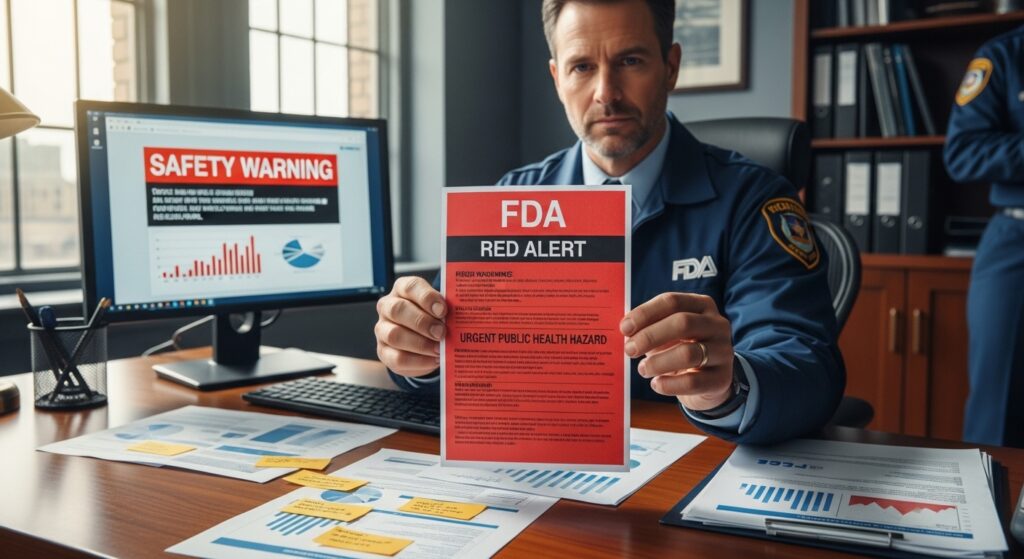
The FDA classified this situation as a Class I recall, which is the agency’s highest risk category. A Class I designation means there is a reasonable probability that consuming the product could cause serious health consequences or even death.
In this case, the undeclared milk allergen is the central concern. For people with dairy allergies, accidental exposure can lead to severe reactions, including anaphylaxis. The escalation of the Cake Mix Recall reflects how seriously regulators are treating the risk.
When new information confirmed the allergen issue in distributed products, the FDA determined that stronger public warning measures were necessary.
Undeclared Allergens: The Hidden Danger
Food recalls involving allergens are particularly concerning because reactions can happen quickly and unexpectedly. Milk is one of the most common food allergens, and even trace amounts can trigger symptoms in sensitive individuals.
The danger in this Cake Mix Recall lies in the fact that milk was not declared on the label. Without clear labeling, consumers and foodservice operators cannot make informed safety decisions. In commercial kitchens where bulk mixes are used for large batches of baked goods, the risk of widespread exposure increases.
This situation highlights the importance of accurate labeling and strict quality control in food manufacturing.
How to Check If Your Cake Mix Is Affected
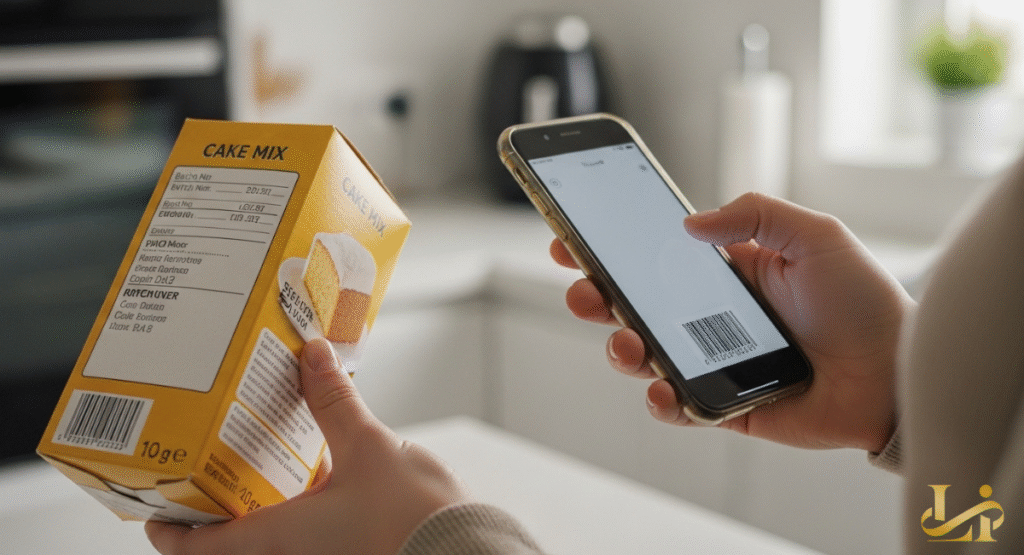
If you think you may have purchased products involved in the Cake Mix Recall, start by locating the original packaging or supplier invoice. Review the product name, manufacturer information, and lot numbers carefully.
Affected products include:
- Spice Cake Mix – 50-pound bags – Manufactured by B.C. Williams Bakery Service
- Swiss Chocolate Cake Mix – 50-pound bags – Manufactured by B.C. Williams Bakery Service
Next, compare your lot numbers with those listed on the FDA’s official recall notice. If there is a match, do not use the product. Contact your supplier for instructions regarding return or disposal.
Taking a few minutes to verify your inventory can prevent serious health risks.
Safe Alternatives While the Recall Is Active
While the Cake Mix Recall remains in effect, bakeries and foodservice providers may need to adjust their sourcing. Many alternative suppliers offer similar products that are not affected by the recall.
Home bakers can also consider preparing cake mixes from scratch. Making recipes at home allows full control over ingredients and helps avoid potential allergen concerns. For those with dairy sensitivities, milk substitutes such as oat milk or almond milk can provide safe alternatives.
For larger operations, temporarily separating recalled inventory from usable stock and documenting supplier communications is a practical safety measure.
What Retailers Are Doing: Amazon, Walmart, and More
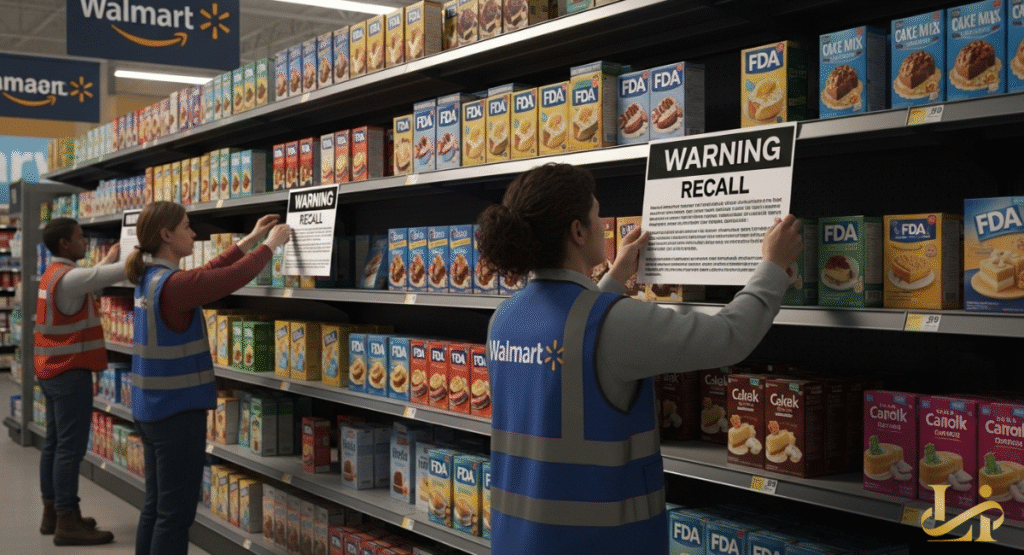
Major retailers and distributors are responding quickly to the Cake Mix Recall. Many are notifying affected buyers directly and offering refunds or replacement options where applicable.
Foodservice suppliers are also advising commercial customers to stop using impacted lots immediately. Some bakeries have proactively informed clients about recipe adjustments or temporary menu changes to maintain transparency.
Clear communication from retailers and businesses helps reduce confusion and ensures that affected products are removed from circulation promptly.
Consumer Reports and Experiences
Since news of the Cake Mix Recall spread, consumers have taken to social media and online forums to share updates and concerns. While no widespread illnesses have been officially confirmed, many families are being extra cautious—especially those managing food allergies.
Parents of children with dairy allergies have reported double-checking baked goods purchased from local shops. Others are reviewing pantry supplies to ensure no affected products are present.
This collective vigilance reflects how seriously consumers treat allergen-related recalls.
Related Podcasts and Videos for More Insights

Several news outlets and food safety experts have published videos and podcasts explaining the details behind the Cake Mix Recall. These resources break down how recalls work, what a Class I designation means, and how businesses should respond.
Watching official interviews and safety briefings can help both consumers and commercial operators better understand recall procedures and proper handling practices.
Reliable information from trusted sources makes it easier to navigate situations like this with confidence.
How to Stay Updated on Future Recalls
Food recalls can happen unexpectedly, so staying informed is important. Signing up for FDA email alerts or checking the agency’s website regularly can help you respond quickly if another issue arises.
Retailers also provide notifications to customers who have purchased recalled products. Monitoring these updates ensures you won’t miss important safety announcements related to the Cake Mix Recall or other food alerts.
A proactive approach is one of the best ways to protect your household or business.
Tips for Allergy Safety in Baking
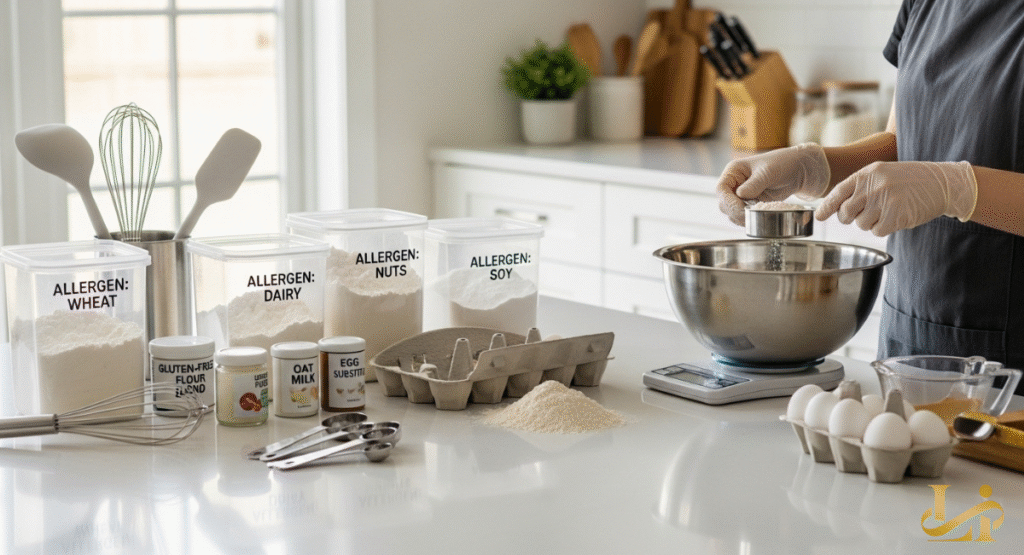
Whether you bake at home or in a commercial kitchen, careful ingredient management is essential. Always read product labels thoroughly, even if you’ve used the item before. Manufacturers occasionally update formulations or packaging.
To minimize cross-contamination, use separate utensils and preparation areas for allergen-free recipes. For those managing dairy allergies, substituting milk with plant-based alternatives can significantly reduce risk.
The lessons from this Cake Mix Recall serve as a reminder that attention to detail in food preparation is critical for safety.
FAQS
1. What caused the recent Cake Mix Recall?
The Cake Mix Recall was triggered by undeclared milk allergens found in certain Spice Cake Mix and Swiss Chocolate Cake Mix products.
2. Which cake mixes are affected by the recall?
The recall applies to specific 50-pound bags of Spice Cake Mix and Swiss Chocolate Cake Mix produced by B.C. Williams Bakery Service.
3. How can consumers check if their cake mix is affected?
Review the product’s lot number and compare it with the information provided in the official FDA recall notice.
4. Is it safe to consume other cake mixes during this recall?
Yes. Only the identified batches listed in the Cake Mix Recall notice are affected. Other brands and lots remain safe.
5. What should bakeries and foodservice providers do about the recall?
Businesses should immediately stop using affected products, isolate inventory, and follow supplier or FDA guidance for returns or disposal.

I write about the world of luxury, from timeless style to premium living, inspiring readers to embrace elegance in everyday life.