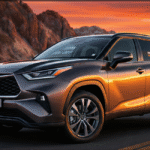
Introduction to AITO M9
Huawei, once known mainly for telecommunications equipment, has grown into a global technology powerhouse. Known for its innovation in smartphones, 5G networks, and cloud computing, the company has recently made a major impact in the high-end EV segment through partnerships like the Huawei-backed AITO M9.
By integrating advanced systems such as the intelligent cockpit system and driver assistance system, Huawei is redefining modern vehicles in China’s domestic automotive market. Its focus on luxury SUV segment performance and smart features showcases the brand’s dedication to quality, safety, and cutting-edge technology, showing how Huawei is bringing its tech expertise into the automotive world.
Company Background and Partnership
Huawei has strategically partnered with AITO and SERES Group to create a vehicle that merges automotive engineering with cutting-edge technology. Huawei brings expertise in AI, cloud computing, and connectivity, while SERES provides manufacturing and vehicle engineering. Together, they’ve turned the M9 into one of the most competitive new energy SUVs in China.
The partnership also reflects a shift in Huawei’s strategy, as it moves beyond smartphones and networking into automotive technology integration. By integrating smart systems, like the Qiankun ADS 4 driver assistance system and Tuling intelligent chassis, With these smart systems, Huawei is clearly aiming to compete with the top luxury EV brands. The partnership highlights China’s growing strength in automotive tech and gives Huawei a strong entry into the smart vehicle space.
Design and Specifications
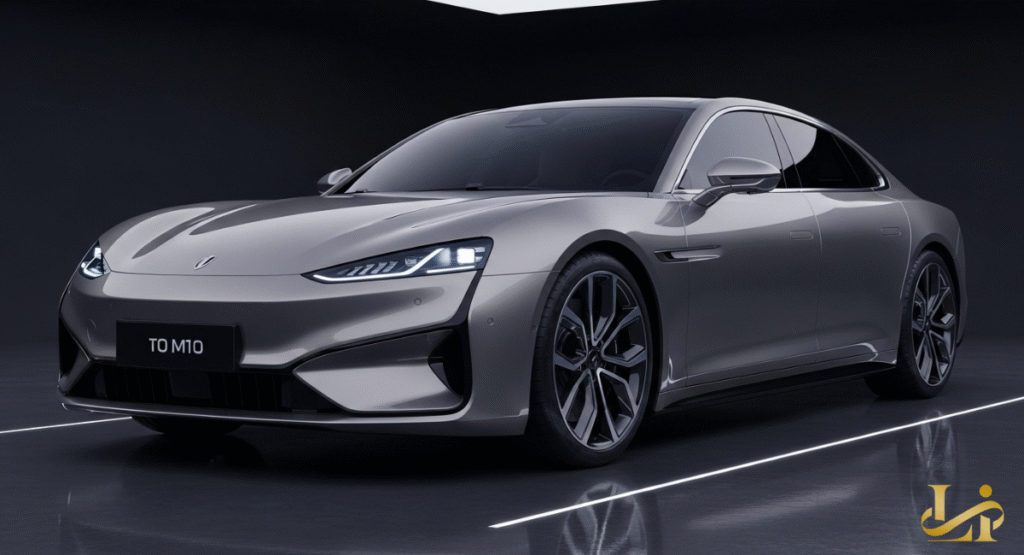
The AITO M9 stands out for its bold exterior design and high-tech interior. Its exterior features an intelligent lighting system with dual-million-pixel projection headlights and matrix lighting, giving the SUV a futuristic look. The new “Silver Realm Purple” color option adds elegance for premium buyers. Inside, the cabin is spacious and luxurious, with dual zero-gravity seats reclining up to 150 degrees, a 12.3-inch instrument cluster, a 15.6-inch central display, and a 16-inch passenger screen.
Huawei has integrated the HarmonyOS cockpit to provide intuitive control over navigation, media, and vehicle settings. Advanced connectivity allows for seamless smartphone integration, voice commands, and real-time updates. The cabin blends comfort with advanced technology, making the M9 one of the most advanced models in the high-end EV segment. Overall, it offers a mix of style and practicality that appeals to premium buyers.
Powertrain and Performance
The AITO M9 comes in two main variants: an extended-range variant and a battery electric version. The extended-range model uses a 1.5T engine producing 112 kW combined with dual electric motors offering 165 kW and 200 kW, for a total output of 365 kW and 675 N·m of torque. In real-world driving, this translates to quick acceleration and solid highway power.
The battery electric version offers a front 160 kW motor and a rear 230 kW motor, providing 390 kW system output and 673 N·m torque. Equipped with a 100 kWh ternary lithium battery from CATL and built on an 800-volt silicon carbide platform, the EV version reaches up to 630 km CLTC range. Fast charging is exceptional; a five-minute charge adds roughly 150 km of range. On paper and on the road, the M9 competes strongly with other new energy SUVs.
Self-Driving and Smart Features
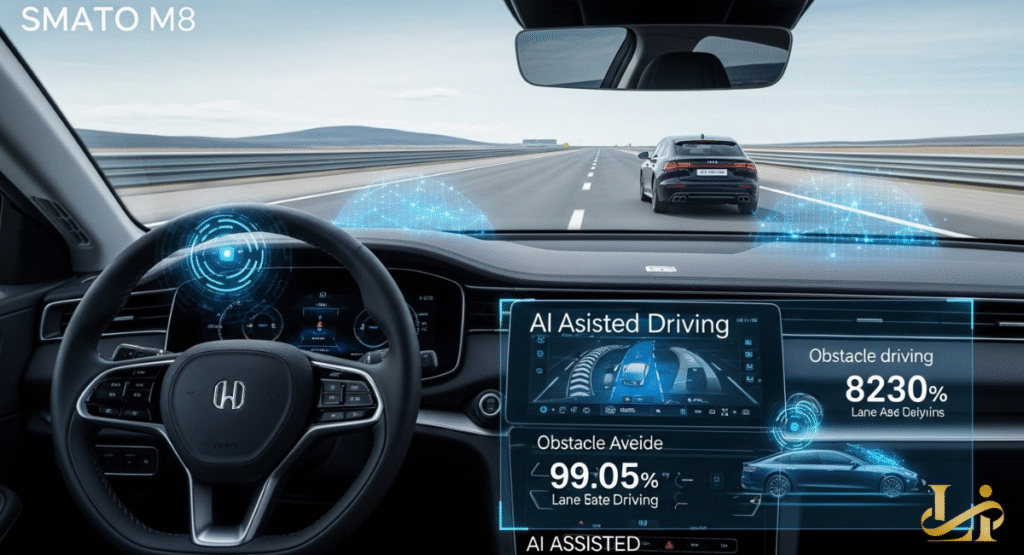
Huawei has positioned the M9 at the forefront of autonomous driving. Its Qiankun ADS 4 driver assistance system, combined with four LiDAR sensors, supports semi-autonomous navigation, lane-keeping, and collision avoidance. The Tuling intelligent chassis adapts dynamically to road conditions for a safer and smoother ride.
Connected features enhance convenience and safety. Through Tiantong satellite communication, drivers can access emergency eCall, navigation, and voice communication even in Qinghai’s remote areas without terrestrial networks. Together, these features make the M9 especially appealing to executives who value safety and convenience for executives seeking reliability, comfort, and innovation.
Sales and Market Performance
The AITO M9 has achieved remarkable market success. Surpassing 270,000 cumulative deliveries, it has led the CNY 500,000 segment for 21 consecutive months. During December 2025, it even outsold the BMW X5 in large luxury SUV rankings, with 9,222 insurance registrations versus BMW’s 8,675.
Customer surveys also show strong satisfaction levels where the M9 consistently comes first. Reports from RuiCai confirm its residual values lead the segment, with 82.2% for plug-in hybrid models and 81.3% for battery-electric variants.
These numbers suggest strong demand and growing confidence among buyers.
| Variant | Residual Value | Range (CLTC) | Motor Output |
|---|---|---|---|
| Extended-Range | 82.2% | 600 km | 365 kW |
| Battery Electric | 81.3% | 630 km | 390 kW |
Marketing and Customer Strategy
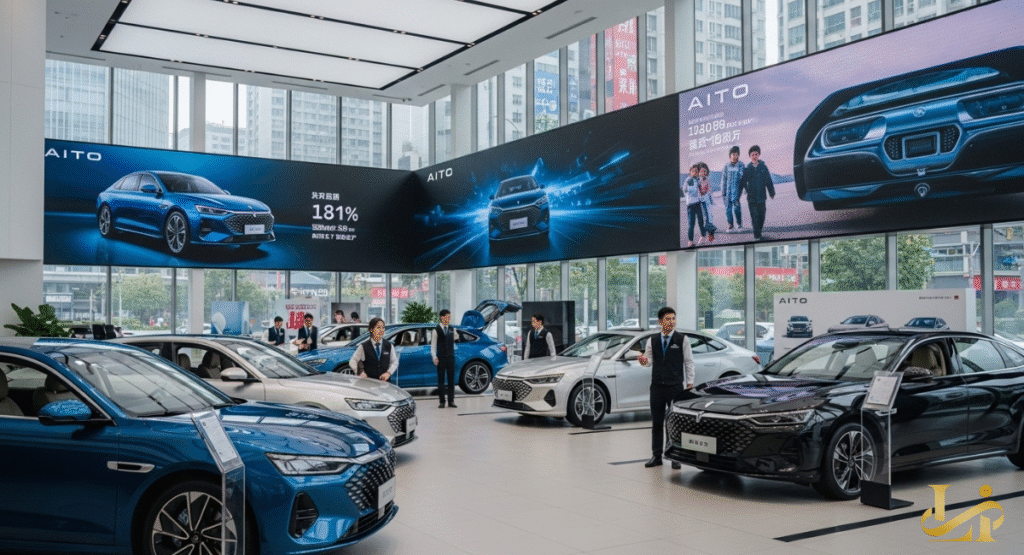
AITO targets premium buyers and business fleets with the M9. The marketing focuses on advanced tech, comfort, and executive appeal. Programs like the AITO M9 Starlight Club reward loyal customers and promote community engagement. Corporate incentives and fleet adoption strategies have made it a preferred choice among executives.
By showcasing its advanced in-car technology and luxury comfort, AITO creates a strong brand image. Promotional campaigns, online showcases, and interactive displays at events like the National Museum exhibition emphasize Huawei’s automotive technology integration and leadership in China’s domestic automotive market.
Controversies and Challenges
Despite strong sales, Huawei-backed vehicles still face challenges. Regulatory scrutiny in China and overseas impacts expansion plans. Technical recalls or software updates occasionally draw criticism, particularly regarding autonomous features.
Privacy and data security remain concerns due to extensive AI integration in driver assistance systems. Huawei’s reliance on new technologies and partnerships with SERES Group necessitates careful quality control. Still, ongoing updates and expanding charging infrastructure help address many of these concerns, keeping customer confidence high.
Future Outlook and Innovations
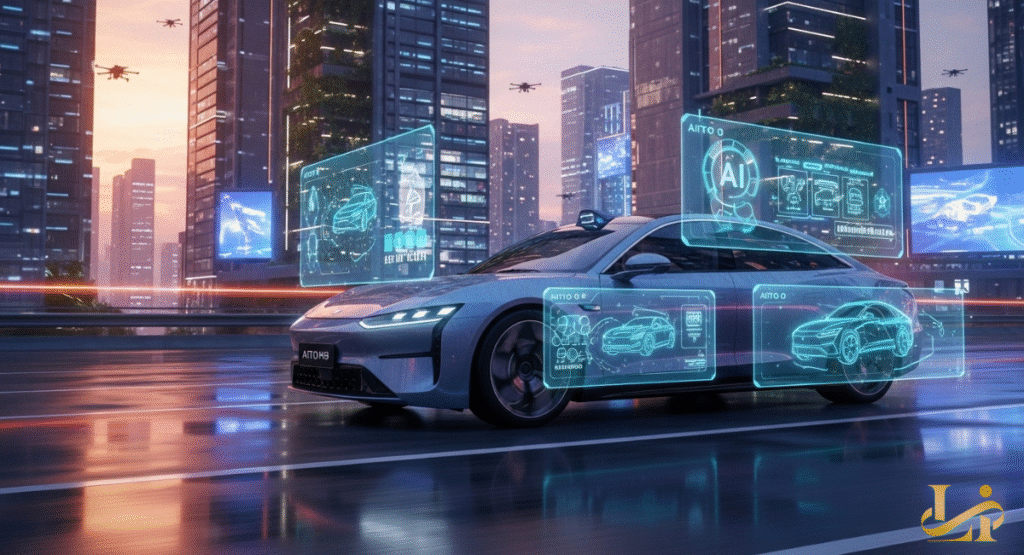
Huawei plans to expand its EV presence internationally. Upcoming models will enhance the intelligent lighting system, increase battery efficiency, and improve autonomous driving software. SERES and Huawei aim to produce a second million vehicles in two years, supported by over 5,000 ultra-fast charging stations across China.
The company is continuing to develop new smart features, AI-assisted driving, and extended connectivity. With competitive pricing and strong customer interest, Huawei and AITO are well placed to expand further in the EV market and AITO to shape the future of high-end EV segment in China and potentially global markets.
FAQS
How much does the Huawei car cost?
The Huawei-backed AITO M9 is priced above CNY 500,000 (around $72,400 USD), targeting the luxury SUV segment in China.
Can I buy a Huawei car in the US?
No, Huawei-backed vehicles like the AITO M9 are currently only sold in China; they are not available in the US market.
Is Huawei making a car?
Yes, Huawei collaborates with AITO and other partners to develop smart and electric vehicles, focusing on technology integration rather than traditional manufacturing.
Has Huawei made a car?
Huawei doesn’t build cars on its own but works with partners to develop them the Huawei-backed AITO M9, providing technology, AI systems, and smart vehicle integration.
Can I buy Huawei in the USA?
Currently, Huawei cars are not sold in the USA; the company focuses on Chinese domestic automotive market sales.

I write about the world of luxury, from timeless style to premium living, inspiring readers to embrace elegance in everyday life.