Buying or dreaming about a luxury home is more than just owning property; it’s about enjoying comfort, style, and value.
In the United States, luxury real estate has become one of the most talked-about sectors, attracting affluent buyers who want more than just a house—they want an experience.
From million-dollar homes in exclusive neighborhoods to estates with world-class luxury amenities, the market is evolving fast.
This guide explains what defines a luxury home, explores current real estate market trends, and reveals why these high-end spaces hold such appeal.
Whether you’re a buyer, seller, or investor, knowing the essentials of the luxury housing market is the key to making smart choices.
By the end of this guide, you’ll understand not only what makes a property “luxurious,” but also how shifting buyer demands, new lifestyle trends, and future market projections are reshaping the definition of luxury living in the U.S.
What Is a Luxury Home, and What Makes It So Special?
Defining luxury is tricky because it depends on perspective. Experts often point to the top 5 percent of homes by sale price, which usually reflects the most expensive and distinctive properties in any city.
Still, price alone doesn’t tell the whole story. Luxury comes from high-end finishes, architectural design, and rare features that create value beyond square footage.
When people think of luxury real estate, they picture celebrity homes, custom-built homes, and spaces filled with luxury amenities like spas, theaters, or private gyms.
Yet, buyers also pay attention to history, design, and emotional appeal. In other words, Luxury homes are about more than granite countertops or extra bedrooms — they reflect status, lifestyle, and lasting value.
That’s why today’s luxury housing market blends tradition with innovation, offering homes that reflect both personal taste and global trends.
For buyers, this means every property tells a story, and for sellers, it’s an opportunity to highlight the unique lifestyle each home represents.
A High Price for the Area

One clear sign of luxury is when a property costs much more than others nearby. Is a million dollars enough for a luxury home? In most major metros, the answer is no.
According to the Redfin luxury housing report 2025, the median home price for luxury now surpasses $1 million in most large U.S. cities, with only a few exceptions.
This shift shows how demand, location, and exclusivity drive values higher year after year. It also highlights how buyers today are willing to invest more for prime locations and unmatched amenities that set their homes apart.
According to the Redfin luxury housing report 2025, the median home price for luxury now surpasses $1 million in most large U.S. cities.
For example, the table below shows how prices changed over time:
| Year | Number of Metros with luxury homes under $1 million in the US | Example City | Median Luxury Price |
| 2013 | 35 | Detroit | $416,000 |
| 2020 | 30 | Cleveland | $521,000 |
| 2025 | 7 | Detroit | $753,851 |
These figures reveal how historic appreciation of luxury properties has pushed values higher, making affordability rare.
Even in Detroit affordable luxury housing, where homes are still under $1 million, prices have risen more than 80% in the last decade.
This upward trend suggests that today’s “affordable” luxury homes may quickly become tomorrow’s premium listings.
For buyers, this means acting early can secure long-term value, while sellers benefit from strong appreciation and growing demand.
Prime Location
Every expert agrees that how location affects home value is the most powerful factor. Premium locations like Beverly Hills, Manhattan, and Miami Beach keep attracting affluent buyers who want the best lifestyle.
Whether it’s the ocean, mountain views, or the heart of the city, buyers pay a premium for the right setting.
But real estate trends in major metros show growth is not limited to traditional hubs. Smaller exclusive neighborhoods are gaining attention as best cities to buy luxury homes shift with new development.
When architectural design and cultural appeal meet strong demand, entire areas can transform into luxury hotspots. For investors, recognizing these emerging markets early can unlock exceptional returns.
Buyers looking beyond famous zip codes often discover properties with unique character, modern luxury amenities, and stronger appreciation potential compared to saturated markets.
Premier Quality
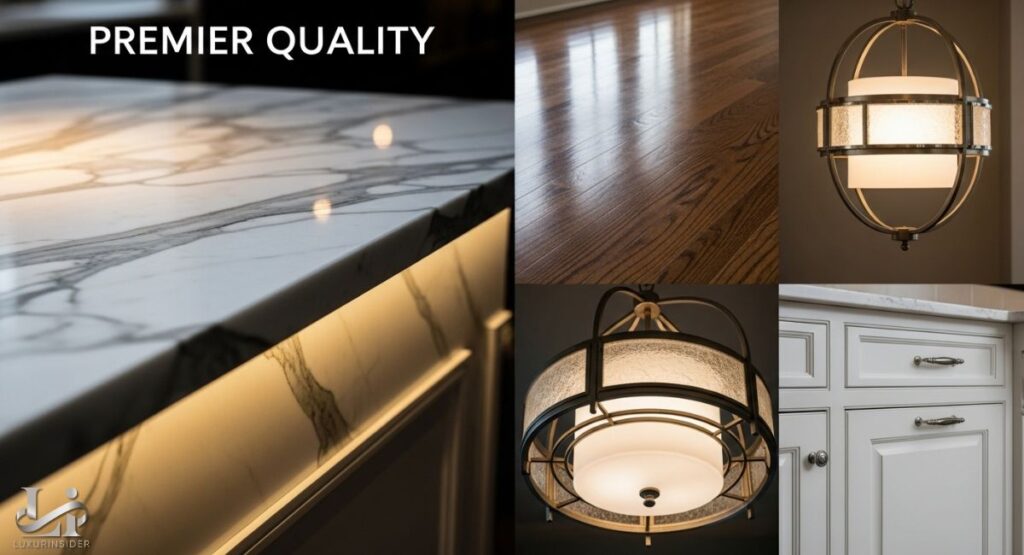
Price and location are important, but high-quality construction separates average from extraordinary. The finest upscale living spaces include strong materials, rare finishes, and careful craftsmanship.
Buyers expect stone, glass, or custom woods, all combined into homes designed for both beauty and durability.
Modern high-end homes also integrate sustainability and technology. Many custom-built homes feature solar power, smart systems, and eco-conscious design.
This blend of style and responsibility shows how affordability and sustainability are becoming central to the future of luxury real estate.
Forward-thinking developers are already redefining luxury by blending green building standards with cutting-edge innovation.
As demand rises, homes that balance opulence with efficiency will stand out as the true benchmark of future luxury living.
Luxe Amenities
Amenities are often what truly set luxury homes apart. From infinity pools to private wine cellars, luxury amenities make these homes stand out.
In some cases, buyers want rare comforts like indoor theaters, spas, or even panic rooms for security.
The rise of tech has added even more features. Many high-end homes come with smart systems, advanced kitchens, and EV charging stations.
These details enhance upscale living, making homes not only modern and comfortable but also strong investments for the future.
Today’s affluent buyers see amenities not just as extras but as essentials that reflect lifestyle, exclusivity, and status. As trends evolve, the demand for personalized amenities will continue to shape the future of luxury real estate.
Privacy

For wealthy buyers, privacy is non-negotiable. Gated communities, long driveways, tall walls, and dedicated security are all part of the package.
These elements ensure that buyers can enjoy peace without outside intrusion. For many celebrity homes, this is non-negotiable.
Interestingly, privacy extends beyond walls. Exclusive neighborhoods designed with large green spaces and hidden layouts provide an extra layer of comfort.
As public life becomes more digital, the need for retreat and personal space in housing has never been stronger.
In the luxury market, privacy itself has become a symbol of status and exclusivity. Homes that guarantee seclusion not only attract elite buyers but also hold their value exceptionally well over time.
Provenance
The story behind a home can add just as much value as its design. Provenance — whether tied to an architect, celebrity owner, or cultural legacy — often makes a property more desirable, whether it’s a home designed by a famous architect, previously owned by a celebrity, or tied to cultural history.
Historic charm can be just as powerful as high-end finishes in determining worth.
In fact, homes with distinctive backstories often sell faster and at higher prices. In the USA, notable architectural design examples like Mid-Century Modern classics or historic estates bring prestige to neighborhoods, and buyers pay extra for that uniqueness.
Beyond design and ownership, provenance adds an emotional connection, turning properties into timeless investments. For luxury buyers, this sense of legacy often matters just as much as location and amenities.
Just like a prestigious property, understanding the luxury watch hierarchy reveals how heritage and exclusivity add value beyond price.
The Trailing Metros
One major shift in the market is the rise of secondary cities. While San Francisco homes average over $6 million, cities like Detroit, Cleveland, and Indianapolis still offer luxury properties under $1 million.
This growing demand shows how buyers are seeking value outside traditional hotspots, fueling development in secondary cities.
As infrastructure improves and local economies grow, these metros are quickly becoming attractive alternatives for luxury living.
These cities attract affluent buyers who want more space, real estate affordability, and growth potential. The table below shows the difference between the most expensive metro areas for homes and those considered affordable:
| Metro | Median Luxury Price (2025) |
| San Francisco | $6,000,000+ |
| San Jose | $5,000,000+ |
| Miami | $3,000,000+ |
| Detroit | $753,851 |
| Cleveland | $812,000 |
| Pittsburgh | $850,000 |
The State of Real Estate
The luxury housing demand in trailing metros is one of the most fascinating shifts in the market. While San Francisco luxury home prices average above $6 million, luxury homes under $1 million in the US can still be found in seven metros, including Detroit, Cleveland, and Indianapolis.
This growing demand shows how buyers are seeking value outside traditional hotspots, fueling development in secondary cities. As infrastructure improves and local economies grow, these metros are quickly becoming attractive alternatives for luxury living.
Future of Luxury Living
Looking ahead, the future of luxury living will combine sustainability, wellness, and personalization.
Buyers are asking for eco-conscious architectural design, healthy interiors, and technology that makes life simpler. Custom-built homes will dominate as personalization becomes a new luxury standard.
Generational change also plays a role. Younger affluent buyers want a mix of upscale living and practicality.
That means less focus on size and more on smart layouts, lifestyle fit, and emotional connection. The luxury home features list of the next decade will likely look very different from today’s.
In the coming years, luxury homes will reflect not just wealth, but also values and identity.
Whether through green certifications, advanced home automation, or curated spaces for work-life balance, the definition of luxury will evolve to meet the changing priorities of modern buyers.
FAQs
How do you describe a luxury home?
A luxury home is described as a high-end property offering premium amenities, prime location, superior design, and exclusivity.
What makes a house a luxury home?
A house becomes a luxury home when it offers top-tier features, architectural uniqueness, and lifestyle-enhancing amenities beyond standard housing.
What is a luxury home called?
A luxury home is often called an estate, mansion, villa, or high-end residence.
What is the most expensive style of home?
The most expensive styles are ultra-modern mansions, Mediterranean villas, and historic estates in prime locations.
What is a word for luxury home?
Words like mansion, estate, villa, penthouse, or chateau are commonly used to describe a luxury home.

I write about the world of luxury, from timeless style to premium living, inspiring readers to embrace elegance in everyday life.