The Nissan Rogue has long been a popular choice among American drivers looking for comfort, fuel efficiency, and practical technology in a compact SUV. Recently, however, news surrounding a large recall has sparked concerns about safety and reliability. Reports involving hundreds of thousands of vehicles have brought attention to power loss complaints and potential engine component issues.
For many families, this SUV is part of daily life commuting to work, school drop-offs, and weekend road trips. That’s why it’s important to understand what caused the recall, how serious the risks are, and whether the 2026 model truly restores buyer confidence.
Nissan Rogue Recall: What Owners Need to Know Right Now
The latest recall affecting the Nissan Rogue involves a significant number of vehicles across North America. According to official documentation, the issue centers on a possible engine bearing defect that could lead to performance problems.
Some drivers reported unusual engine noises or sudden stalling while driving. In response, regulators began reviewing the complaints, which eventually led to formal recall action. Because the Rogue shares components with other global models, similar investigations have taken place overseas.
Owners are being notified directly and can check their vehicle identification number (VIN) through official recall websites. If affected, dealerships will inspect and repair the vehicle at no cost.
Engine and Transmission Defects Behind the 640,000 Vehicle Recall
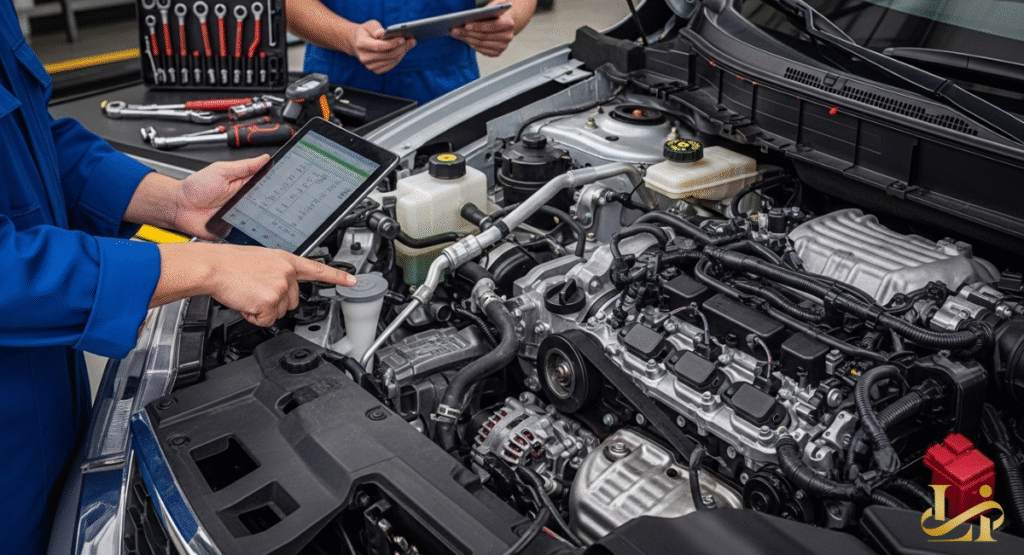
At the heart of the recall is concern about premature wear inside the engine. If certain components degrade, it may lead to oil leakage or, in rare situations, engine failure. What makes this troubling is that problems can develop without much warning.
Some complaints also mentioned hesitation during acceleration or inconsistent throttle response. Since the Nissan Rogue uses a continuously variable transmission (CVT), any engine irregularities can affect overall drivability. Drivers have described moments of power loss or brief stalling, particularly during highway driving.
To address this, technicians may update the powertrain software or replace affected components where necessary. The goal is to correct the issue before it leads to more serious damage.
Safety Risks: Power Loss, Stalling, and Fire Concerns
One of the biggest worries involves what could happen if the vehicle loses power at high speeds. A sudden drop in engine performance while merging or changing lanes increases the risk of accidents.
In limited cases, reports mentioned smoke or burning smells, which raised concerns about potential fire hazards. While confirmed incidents remain rare, regulators are continuing to review data to ensure safety standards are fully met.
For drivers, the key takeaway is simple: if your vehicle is part of the recall, schedule the repair promptly.
Nissan’s Official Response and Repair Plan
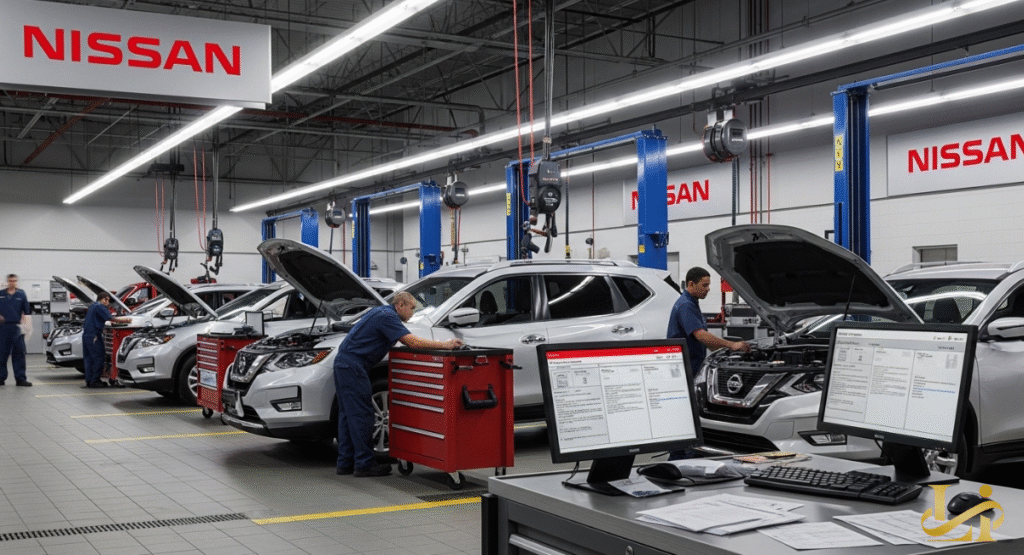
In response to the situation, Nissan launched a formal repair program for affected owners. Dealerships are inspecting engines, updating software systems, and replacing faulty parts where required.
All approved repairs are covered at no cost. Once completed, the vehicle should return to normal operating condition. The company has emphasized its commitment to customer safety and long-term reliability.
Owners can monitor updates and confirm repair eligibility through official recall portals.
2026 Nissan Rogue: What’s New This Year?
Despite the recall headlines, the 2026 Nissan Rogue introduces several updates designed to strengthen its appeal. The exterior receives sharper styling, updated LED lighting, and a refreshed grille design.
Inside, higher trims now feature improved materials and a larger infotainment display. Technology has also been refined, offering smoother connectivity and more responsive controls.
Advanced driver assistance systems remain a strong point, helping the model stay competitive in a crowded compact SUV market.
Performance Review: Engine, CVT, and Real-World Driving Test
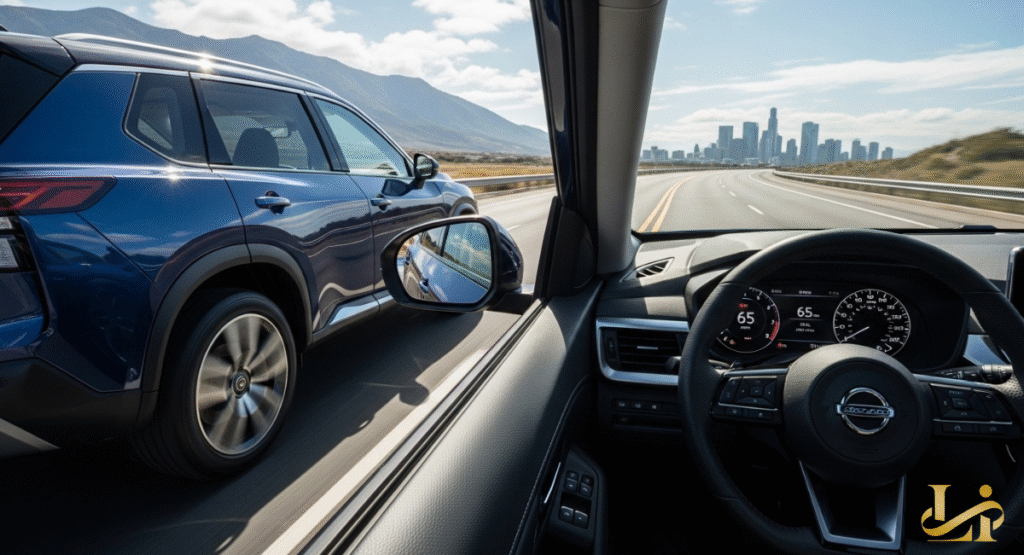
On the road, the 2026 Nissan Rogue delivers a balanced and comfortable ride. Acceleration is adequate for everyday driving, though it prioritizes efficiency over sportiness. The turbocharged three-cylinder engine focuses on fuel economy, which remains competitive for the segment.
Ride quality stands out as one of its strengths. Suspension tuning absorbs road imperfections well, making it suitable for long commutes and family trips. The CVT operates smoothly under normal conditions, though some buyers remain cautious due to earlier concerns.
All-wheel-drive versions provide added traction in rain or snow, while front-wheel-drive models typically achieve slightly better mileage.
Is the 2026 Nissan Rogue Still Competitive in 2026?
Competition in the compact SUV segment is intense. Rivals such as the Toyota RAV4 and Honda CR-V continue to rank highly in reliability and resale value. Hybrid options are also gaining popularity among fuel-conscious buyers.
The Nissan Rogue remains attractively priced and well-equipped, but recall history may influence purchasing decisions. Technology, interior comfort, and safety features are strong selling points. Still, long-term durability will be the deciding factor for many shoppers.
Reliability Ratings and Long-Term Ownership Costs

Historically, this model has earned mixed reliability ratings. Earlier versions performed well, but recent recall events created uncertainty for some owners.
Maintenance costs remain average for the class, and recall repairs are covered by the manufacturer. Insurance rates may vary depending on individual circumstances, though completed repairs typically stabilize any short-term impact.
Resale values could experience temporary dips due to recall publicity, but documented repairs help restore confidence over time.
Should You Buy, Wait, or Avoid the Nissan Rogue?
For drivers who value comfort, cargo space, and solid fuel efficiency, the Nissan Rogue continues to offer practical appeal. Families may find it a comfortable and versatile option.
However, cautious buyers may prefer waiting for longer-term reliability data on post-repair models. Competing SUVs offer hybrid powertrains and strong reputations for durability.
Ultimately, the decision depends on your priorities. If recall repairs are confirmed and completed, the Nissan Rogue remains a capable and well-rounded compact SUV. As always, careful research and a thorough test drive are essential before making a purchase.
FAQS
Is a Nissan Rogue a good vehicle to buy?
Yes, it offers comfortable seating, good fuel economy, and modern technology, making it a practical compact SUV for everyday driving.
What are the downfalls of a Nissan Rogue?
Some concerns include past recall issues, CVT-related complaints, and modest acceleration compared to certain competitors.
What’s better, Nissan Rogue or Jeep Compass?
The Nissan Rogue typically provides better fuel efficiency and interior comfort, while the Jeep Compass may appeal more to buyers seeking off-road capability.
Why was Nissan Rogue discontinued?
It has not been discontinued. The model continues as a key part of the brand’s lineup with periodic updates and refreshes.
How long do Nissan Rogues usually last?
With proper maintenance, many vehicles can reach 150,000 to 200,000 miles or more.

I write about the world of luxury, from timeless style to premium living, inspiring readers to embrace elegance in everyday life.