Tara Lipinski remains one of the most celebrated names in Olympic figure skating history. Born in Philadelphia, she captured the world’s attention when she became the youngest Olympic gold medalist at just 15 years old during the 1998 Winter Olympics.
Known for her daring triple loop triple loop combination, she blended fearless athleticism with graceful artistry in a way that felt fresh and unforgettable. Over time, Tara Lipinski evolved far beyond competition touring professionally, stepping into broadcasting, and becoming a familiar and trusted voice in figure skating coverage. Her journey continues to inspire young athletes while shaping the future of the sport in the United States.
Early Life and Skating Beginnings
Tara Lipinski was born on June 10, 1982, in Philadelphia, Pennsylvania. She stepped onto the ice at just three years old, and it didn’t take long for coaches to notice something special. With strong support from her parents, she later trained at the Detroit Skating Club, where her talent truly began to flourish.
As a young skater, she competed in local and regional events, steadily building a reputation as a rising star. Ballet lessons and detailed choreography training helped her develop poise and musicality, giving her performances depth beyond technical skill. By the age of ten, Tara Lipinski was already competing at an impressively high level in national events.
Her dedication was remarkable for someone so young. Long practice hours, disciplined routines, and guidance from respected coaches shaped her into both a technically sharp and emotionally expressive performer. Those early years laid the groundwork for the historic achievements that would soon follow.
Competitive Career and Olympic Breakthrough
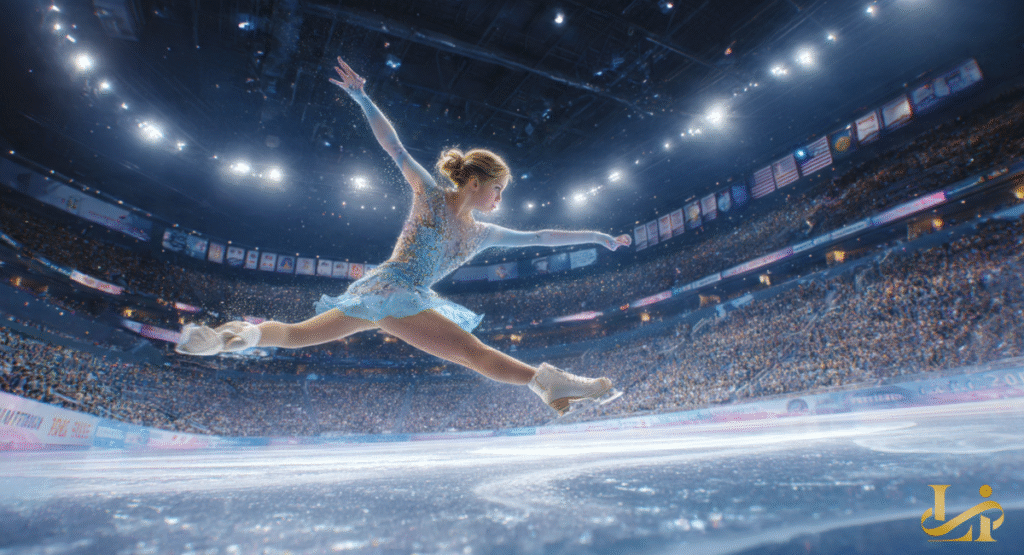
Tara Lipinski’s rise through the competitive ranks was swift and dramatic. She began defeating seasoned competitors and quickly became a major name in U.S. figure skating. Her rivalry with Michelle Kwan captivated fans and brought unprecedented attention to women’s skating in the United States.
The defining moment of Tara Lipinski’s career came at the 1998 Winter Olympics in Nagano. At only 15, she delivered a performance filled with confidence and technical brilliance. When she landed her signature triple loop–triple loop combination, it wasn’t just a jump it was a statement.
That night, Tara Lipinski became the youngest Olympic gold medalist in figure skating history. The victory not only secured her place in the record books but also sparked a wave of young athletes dreaming of Olympic glory.
Skating Technique and Signature Style
What set Tara Lipinski apart wasn’t just difficulty it was execution. Her triple loop–triple loop combination became her calling card, showcasing precision, control, and courage. She also performed triple flips, triple toe loops, and intricate spins with striking consistency.
But technique alone didn’t define Tara Lipinski. Her background in ballet gave her movements elegance and fluidity. She paid close attention to choreography, transitions, and emotional storytelling. While many competitors focused primarily on jumps, she made sure every step, spin, and gesture contributed to the performance as a whole.
Fans admired her ability to connect emotionally with audiences, while judges rewarded her balanced blend of athletic power and artistic presentation. That combination made her performances unforgettable.
Records, Achievements, and Historic Milestones
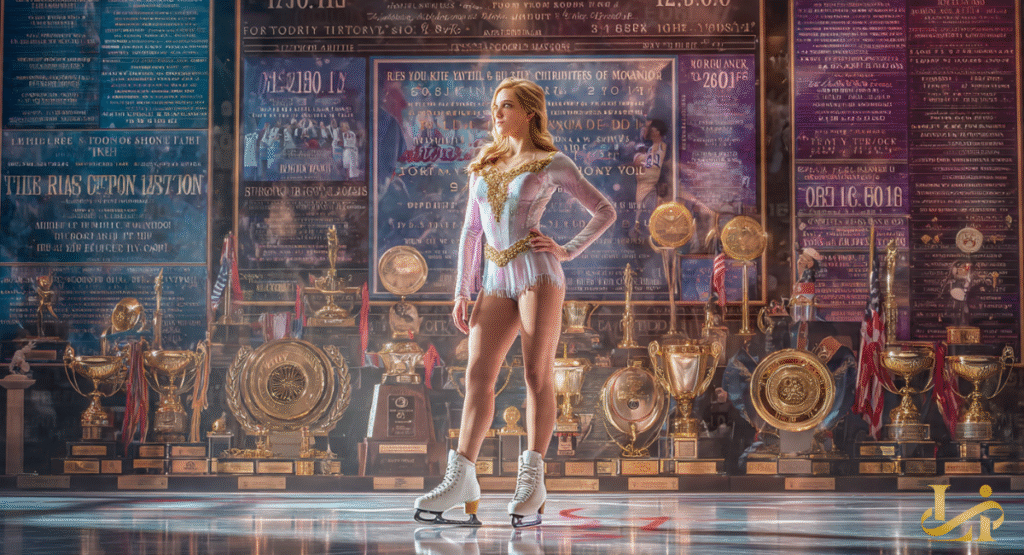
Tara Lipinski’s list of accomplishments is impressive, especially considering how young she was at the height of her career.
- Youngest Olympic Gold Medalist – Won at age 15 at the 1998 Winter Olympics
- U.S. National Champion – Secured major national titles in the late 1990s
- World Champion – Captured gold at the 1997 World Championships
- Grand Slam Achiever – Claimed major international victories before turning 16
- Hall of Fame Inductee – Inducted into the U.S. Figure Skating Hall of Fame in 2008
Tara Lipinski not only set records—she redefined what young athletes could accomplish on the world stage. Her rivalry with Michelle Kwan also helped elevate figure skating’s popularity across America.
Professional Career After the Olympics
After her Olympic triumph, Tara Lipinski transitioned into professional skating and joined Stars on Ice. Touring internationally, she performed in elaborate ice shows that combined storytelling, theatrical lighting, and sophisticated choreography.
Audiences appreciated seeing Tara Lipinski in a new creative light. Free from competition scoring, she embraced expressive routines that highlighted both her technical strength and artistic personality.
Her success extended beyond the rink. Endorsements, television appearances, and sponsorships followed, proving that Tara Lipinski could maintain her popularity long after leaving amateur competition.
Broadcasting Career and Media Presence

In the years that followed, Tara Lipinski found a new role in the sport as a commentator. She became a prominent analyst for NBC Sports, offering coverage of Olympic Games and major figure skating events.
Working frequently alongside Johnny Weir, she brought both technical insight and vibrant personality to broadcasts. Viewers appreciated how Tara Lipinski explained complex elements in ways that felt accessible and engaging.
Her firsthand experience as an Olympic champion gives her commentary authenticity. Today, Tara Lipinski remains one of the most recognized voices in figure skating media.
Television Credits and Entertainment Work
Beyond sports commentary, Tara Lipinski has explored opportunities in television and entertainment. She has appeared in various TV programs, guest segments, and sports-related specials, showing a natural comfort in front of the camera.
Her charisma and polished communication style have helped her build a career that extends well beyond competitive skating. Whether discussing Olympic performances or participating in entertainment projects, Tara Lipinski continues to connect with broad audiences.
Personal Life and Public Image

Tara Lipinski lives in Sugar Land and has maintained a balance between public life and personal privacy. She has spoken openly about her fertility journey, surrogacy experience, and struggles with endometriosis, using her platform to raise awareness and support others facing similar challenges.
Her philanthropic efforts include work with organizations such as the Boys & Girls Clubs of America. Through advocacy and charitable involvement, Tara Lipinski demonstrates that her influence extends far beyond medals and titles.
Her openness and resilience have strengthened her public image as both a role model and a compassionate voice.
Legacy in Figure Skating and Pop Culture
Decades after her Olympic victory, Tara Lipinski continues to influence modern figure skating. Her technical boldness especially the triple loop–triple loop combination—helped push the sport toward higher standards of difficulty for young competitors.
Young skaters frequently cite Tara Lipinski as an inspiration. As a broadcaster, she also plays a key role in shaping how audiences understand and appreciate the sport today.
From Olympic champion to media personality and advocate, Tara Lipinski has built a legacy that blends athletic excellence, authenticity, and cultural impact. Her story remains a powerful reminder that age is no barrier to greatness and that influence can extend far beyond the ice.
FAQS
1. Who is Tara Lipinski?
Tara Lipinski is an American Olympic gold medalist and former U.S. champion who became the youngest Olympic figure skating champion in history.
2. How old was Tara Lipinski when she won Olympic gold?
Tara Lipinski was 15 years old when she won gold at the 1998 Winter Olympics in Nagano, Japan.
3. What are Tara Lipinski’s signature skating moves?
Her most famous move is the triple loop–triple loop combination, along with intricate spins, footwork, and ballet-inspired choreography.
4. What did Tara Lipinski do after retiring from competitive skating?
After competition, Tara Lipinski toured professionally with Stars on Ice and became a respected NBC Sports analyst.
5. Has Tara Lipinski influenced modern figure skating?
Yes, Tara Lipinski inspired a generation of skaters through her technical innovation, Olympic success, and continued presence in figure skating media.

I write about the world of luxury, from timeless style to premium living, inspiring readers to embrace elegance in everyday life.