The Toyota Highlander has earned its place in American driveways by doing something simple: delivering exactly what families expect.
For years, the Toyota Highlander has been a go-to three-row SUV for parents who want comfort, safety, and long-term value without unnecessary complexity.
Whether it’s school runs, road trips, or daily commuting, the Toyota Highlander balances practicality with modern features.
With all-wheel drive now standard on the latest model, the Toyota Highlander feels more confident in changing weather conditions.
Add strong resale value and consistently high safety scores, and it’s easy to see why so many buyers keep coming back to the Toyota Highlander generation after generation.
Toyota Highlander Overview: Why It Remains a Top Three Row SUV
What makes the Highlander stand out isn’t flashy design or extreme performance it’s consistency.
The SUV has built a reputation for reliability that gives buyers peace of mind. Families shopping for a midsize SUV often put the the Highlander on their shortlist early in the process because they know what they’re getting: steady performance and solid dependability.
Safety is another major strength.
The SUV has earned strong crash-test ratings from both the IIHS and NHTSA, reinforcing its family-friendly appeal.
Advanced driver-assistance systems come standard, helping the the Highlander remain competitive in a segment filled with capable rivals.
Toyota Highlander Generations Explained (2000–2026)
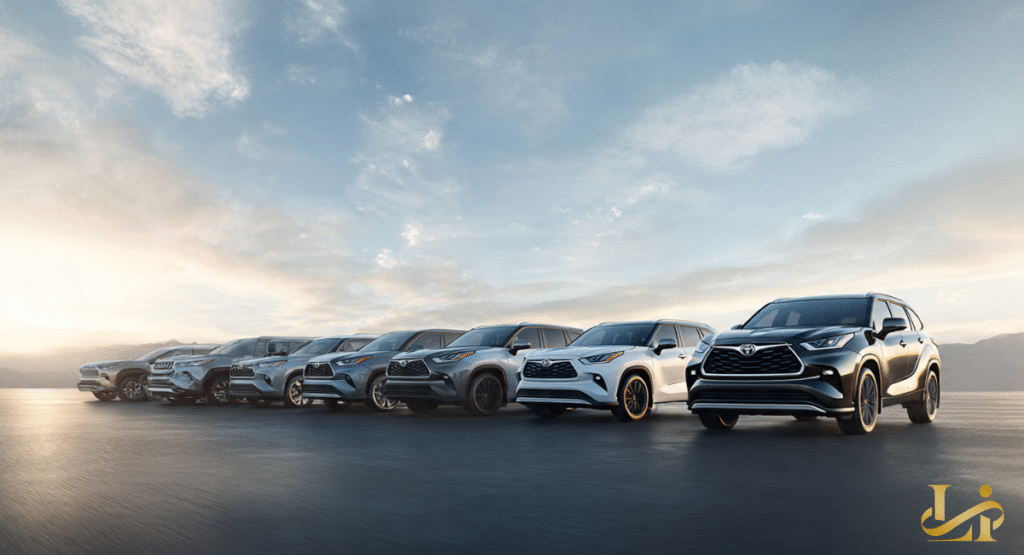
The story of the Highlander stretches back more than two decades.
When it first arrived in 2000, the model introduced a comfortable, car-like driving experience in an SUV format.
It appealed to drivers who wanted the space of an SUV without the rough ride of traditional truck-based models.
Each generation refined the formula.
The second generation added interior space and improved ride comfort.
The third generation introduced stronger safety features and updated technology.
By the fourth generation, hybrid performance became a major highlight of the lineup.
Now, the 2026 model continues that evolution with drivetrain updates and standard AWD across trims.
2026 Toyota Highlander Review: Features, Trims, and What’s New
The biggest update for the 2026 model is the move to standard all-wheel drive.
Previously, front-wheel drive was available, but Toyota has simplified the lineup.
This change gives every buyer added traction and confidence, especially in rain or snow.
The former base LE trim has been discontinued, making the XLE the new starting point.
Even at this level, the SUV comes well-equipped with SofTex seating, a large touchscreen, wireless Apple CarPlay, Android Auto, and a suite of Toyota Safety Sense features.
Higher trims add premium touches like genuine leather, larger digital displays, and a hands-free power liftgate.
Inside, the model feels thoughtfully laid out.
Controls are easy to reach, and materials feel durable enough to handle everyday family life.
2026 Toyota Highlander Specifications and Performance
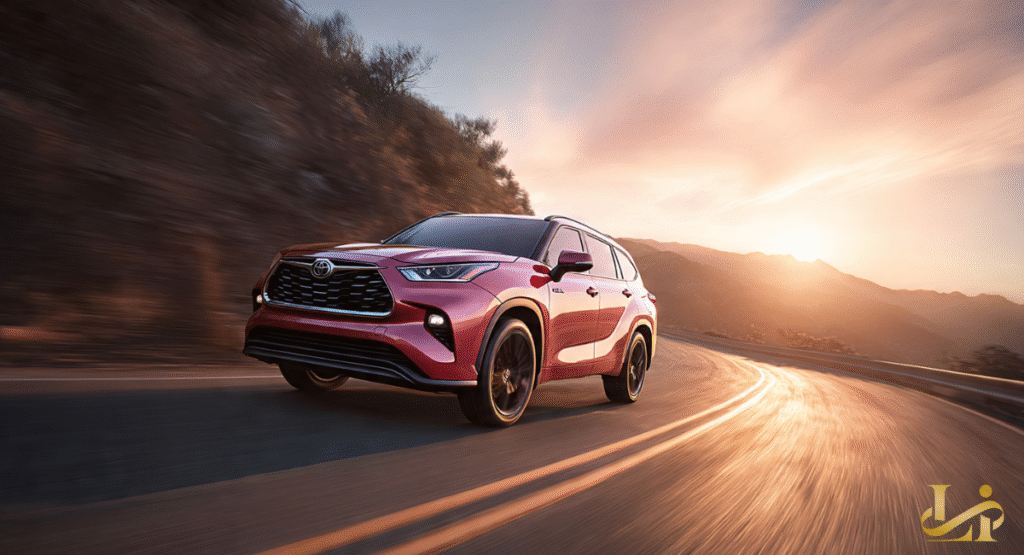
Under the hood, the SUV uses a 2.4-liter turbocharged engine producing 265 horsepower and 310 lb-ft of torque.
Paired with an 8-speed automatic transmission, delivers smooth acceleration and confident highway passing power.
When properly equipped, the SUV can tow up to 5,000 pounds.
That’s enough for small boats, trailers, or lightweight campers, making it versatile for weekend adventures.
Fuel economy is rated at 21 mpg in the city and 28 mpg on the highway.
For families prioritizing efficiency, the Highlander Hybrid stands out with an estimated 35 mpg combined.
The hybrid version of the Highlander remains one of the most efficient options in the three-row SUV category.
Key Specifications
- Engine: 2.4L Turbocharged
- Horsepower: 265 hp
- Torque: 310 lb-ft
- Transmission: 8-speed automatic
- Drivetrain: Standard AWD
- Towing Capacity: 5,000 lbs
- Fuel Economy: 21/28 mpg (Gas), 35 mpg combined (Hybrid)
2026 Toyota Highlander Pricing, Deals, and Incentives
Pricing for the 2026 Toyota Highlander starts at approximately $46,765 for the XLE trim.
Moving up to the Platinum trim brings the price closer to $54,420.
While that places the Highlander toward the higher end of the segment, many buyers see value in its long-term reliability and resale strength.
Over time, the Highlander tends to hold its value better than many competitors.
For budget-conscious shoppers, comparing dealer offers and checking fair market pricing tools can help secure a competitive deal on a new Toyota Highlander.
2027 Toyota Highlander EV: Entering the Electric Era
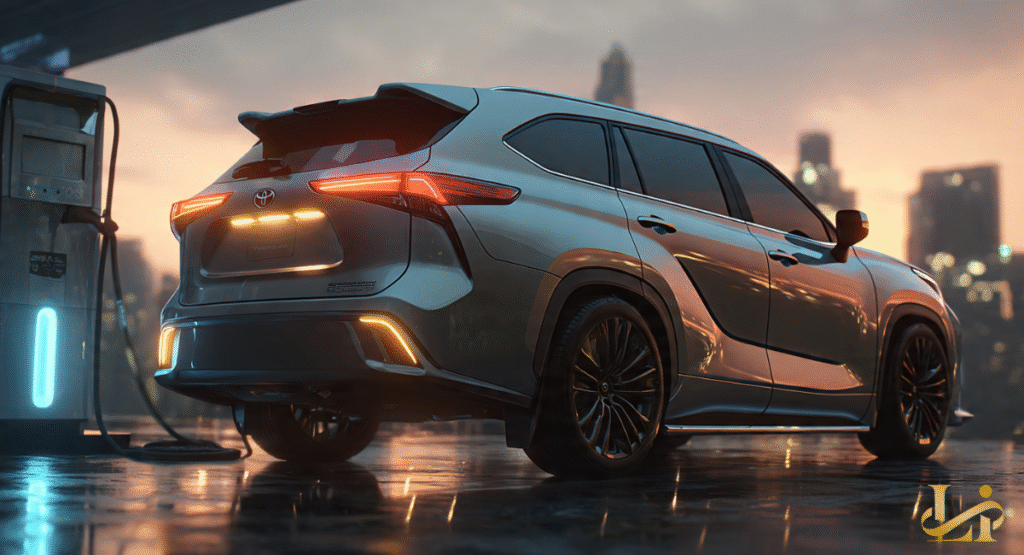
Toyota has made it clear that electrification is part of its long-term strategy.
While official details remain limited, a future SUV EV could expand the nameplate into the fully electric space.
If introduced, the electric SUV would likely compete with emerging three-row electric SUVs.
Given Toyota’s experience with hybrids, expectations are high.
A fully electric Toyota Highlander would need to offer strong driving range, practical interior space, and the same dependability families already associate with the badge.
Interior, Technology, and Cargo Space Comparison
The Toyota Highlander offers seating for up to eight passengers, depending on configuration.
The first and second rows are comfortable and spacious, while the third row works best for children or shorter trips.
For growing families, the Highlander provides enough flexibility for carpools and road trips alike.
Cargo space measures 16 cubic feet behind the third row and expands to over 84 cubic feet with seats folded.
While not class-leading, the SUV offers practical storage for groceries, luggage, and sports gear.
Buyers who need even more room may consider the larger Grand Highlander variant.
Toyota Grand Highlander vs Highlander: Key Differences
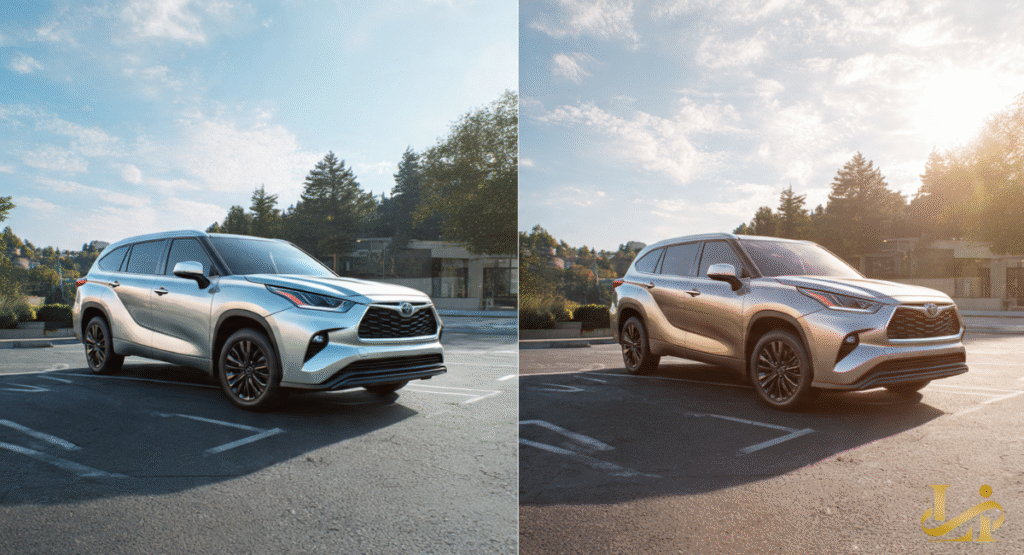
The main difference between the Toyota Highlander and the Grand Highlander is size.
The Grand version offers additional third-row legroom and greater cargo capacity.
However, the standard Highlander remains easier to maneuver and park, especially in suburban and urban settings.
Both models share similar technology and safety features, but families needing maximum interior space may lean toward the larger option.
Toyota Highlander vs Competitors
In a competitive field that includes the Honda Pilot, Kia Telluride, and Ford Explorer, the Highlander maintains a balanced personality.
Some rivals may offer slightly more interior space or bolder styling, but the Highlander continues to attract buyers who value reliability and predictable ownership costs.
For many households, choosing the Toyota Highlander is less about flash and more about long-term confidence.
Toyota Highlander Sales Trends and Market Performance

The SUV consistently ranks among the best-selling three-row SUVs in the United States.
Hybrid demand continues to grow as fuel prices fluctuate, further strengthening the Toyota Highlander lineup.
With steady updates, strong safety credentials, and a history of durability, the Toyota Highlander remains a practical and trusted option for families planning to keep their vehicle for years.
FAQs
What are the negatives for a Toyota Highlander?
The Toyota Highlander has a smaller third row than some competitors, and its starting price can be higher than certain rivals.
What is the most common problem with a Toyota Highlander?
Older Toyota Highlander models have reported issues such as fuel pump failures or minor electrical faults, though reliability overall remains strong.
What is the best year Toyota Highlander to buy?
Many buyers consider 2012, 2016, 2018, and 2021 to be strong used Toyota Highlander model years.
What year should you avoid for a Toyota Highlander?
Some earlier years, such as 2003 or certain late-2000s models, have re

I write about the world of luxury, from timeless style to premium living, inspiring readers to embrace elegance in everyday life.