A major Frozen Blueberry Recall has been issued after federal regulators confirmed a life-threatening Listeria risk in products shipped across several U.S. states and Canada. Officials say the Frozen Blueberry Recall affects 55,689 pounds of product processed by Oregon Potato Company, a family-owned business based in Salem that specializes in frozen and dehydrated fruits.
Although the blueberries were distributed primarily through business-to-business channels, the scope of the Frozen Blueberry Recall has raised concerns across the broader food supply chain. Restaurants, food manufacturers, and certain retailers may have received the affected batches.
The U.S. Food and Drug Administration has upgraded the alert to a Class I recall, meaning the Frozen Blueberry Recall has been classified as the highest level of health risk.
FDA Class I Recall: Why This Frozen Blueberry Recall Is Serious
When federal regulators assign a Class I designation, the seriousness of the Frozen Blueberry Recall becomes clear. This classification is reserved for situations where there is a reasonable probability that consuming a contaminated product could lead to severe illness or even death. It represents the FDA’s most urgent recall category.
In this case, the Frozen Blueberry Recall was elevated after testing detected Listeria monocytogenes, a bacterium known to cause serious foodborne illness. As the Frozen Blueberry Recall continues to unfold, regulators are working with distributors and suppliers to ensure the affected product is removed from circulation as quickly as possible.
Oregon Potato Company’s 55,689 Pounds of Frozen Blueberries Affected
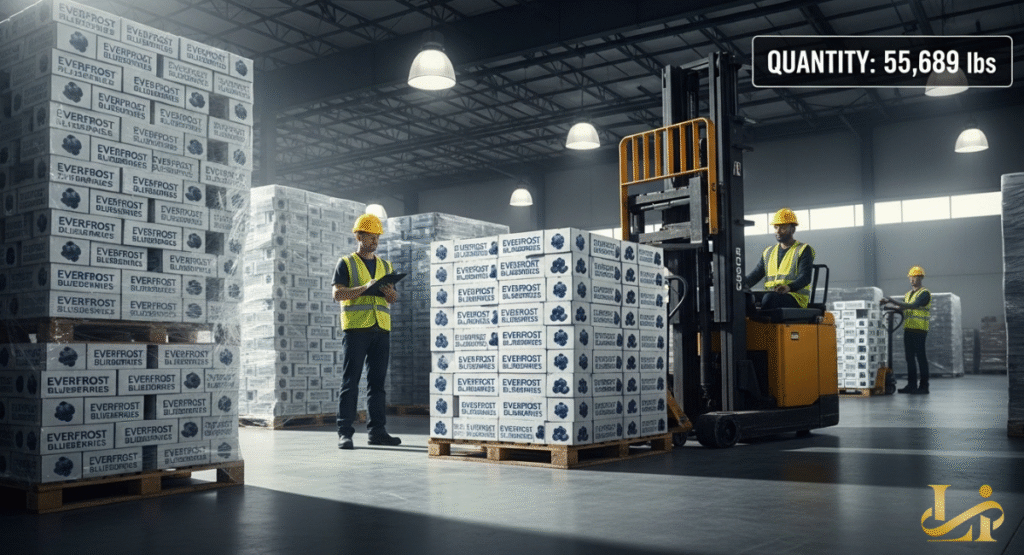
This Frozen Blueberry Recall involves 55,689 pounds of frozen blueberries packaged in bulk formats commonly used in wholesale distribution. The products were packed in 30-pound cases, 1,400-pound totes, polyethylene bags, corrugated cases, and large bulk containers.
These packaging styles are typical for food service operations and manufacturers rather than direct consumer sales.
Early reports about the Frozen Blueberry Recall described it as involving approximately 55,000 pounds, but updated figures confirmed the total quantity. The affected lot codes include 2055 B2, 2065 B1, and 2065 B3, with expiration dates listed as July 2027.
Company officials initiated the recall after internal testing indicated potential contamination and promptly notified distributors.
States Impacted: Where the Recalled Blueberries Were Distributed
The Frozen Blueberry Recall impacts several states, including Michigan, Oregon, Washington, and Wisconsin, along with parts of Canada. Because distribution occurred through commercial supply channels, grocery stores, food manufacturers, and food service providers may have received the affected shipments.
Since the Frozen Blueberry Recall moved through business-to-business networks, consumers are unlikely to see the original bulk packaging. However, repackaged products made with the recalled blueberries could still be present in restaurants or retail settings.
Regulators acted swiftly to contain the issue once the contamination risk was confirmed.
What Is Listeria? Symptoms, Risks, and Who Is Most Vulnerable

The health concerns behind the Frozen Blueberry Recall center on Listeria monocytogenes, a bacterium that can cause listeriosis. Symptoms often include fever, diarrhea, vomiting, muscle aches, headache, and a stiff neck.
In severe cases, the infection can spread to the bloodstream or nervous system.
Pregnant women face particularly high risks, as the infection can lead to miscarriage, stillbirth, or serious complications for newborns. Older adults and individuals with weakened immune systems are also more vulnerable.
Because symptoms may take days or even weeks to appear, tracing exposure linked to the Frozen Blueberry Recall can be challenging.
High-Risk Groups Include
- Pregnant women
- Adults over 65
- People with chronic illness
- Individuals with weakened immune systems
What Consumers Should Do Right Now
If your business may be affected by the Frozen Blueberry Recall, immediate action is recommended. Review freezer inventory records, check lot codes carefully, and isolate any products that match the recall details.
Discontinue distribution or sale and contact your supplier for instructions on returning or safely disposing of the product.
Even though the Frozen Blueberry Recall mainly involves bulk shipments, anyone who experiences symptoms after consuming frozen fruit should contact a healthcare provider. Early medical attention can reduce the severity of listeriosis.
Acting promptly helps prevent additional cases and limits further spread.
How the Contamination Was Discovered
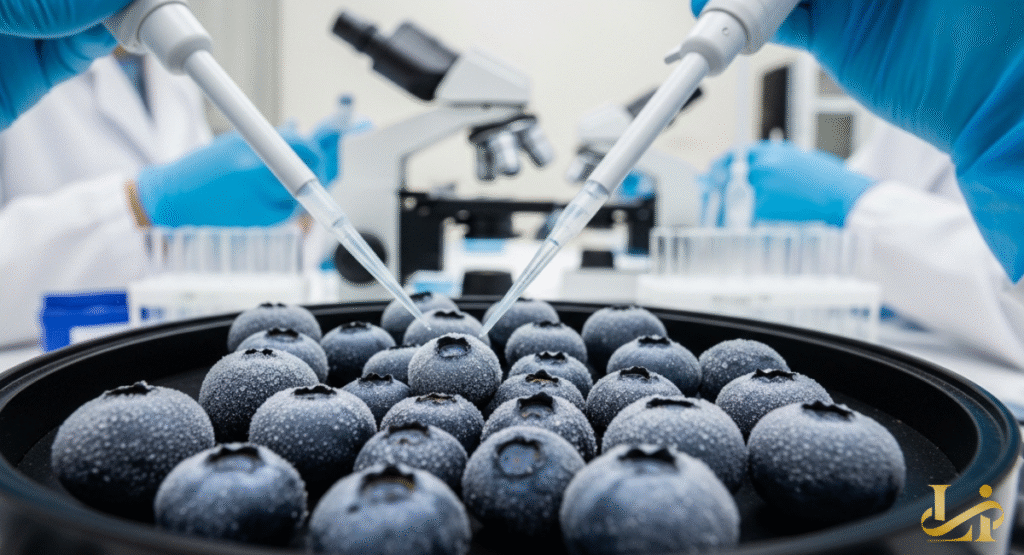
The Frozen Blueberry Recall began after routine sampling and laboratory testing detected possible Listeria contamination. Food producers regularly test batches before and after packaging to ensure compliance with safety standards.
When results suggested a potential issue, company officials informed federal regulators.
As the Frozen Blueberry Recall unfolded, the FDA reviewed testing data and assessed the level of risk. The recall was initially communicated directly to distributors before being publicly updated and formally classified as a Class I recall.
Past Frozen Fruit Recalls and Food Safety Concerns
While the current Frozen Blueberry Recall has drawn significant attention, it is not the first time frozen fruit products have faced safety concerns in North America. Previous recalls involving frozen berries have been linked to both Listeria and hepatitis A outbreaks.
Food safety experts note that freezing slows bacterial growth but does not eliminate harmful pathogens. That reality underscores why monitoring and preventive controls remain critical throughout harvesting, processing, packaging, and distribution.
Company Response and FDA Investigation Updates

In response to the Frozen Blueberry Recall, Oregon Potato Company stated that it is cooperating fully with federal authorities. The company temporarily halted distribution of the affected lots and began reviewing internal food safety procedures.
The FDA continues to monitor the situation and may conduct additional inspections if necessary. As investigators gather more information, further updates regarding the Frozen Blueberry Recall could be released.
Food Safety Tips to Prevent Listeria Exposure at Home
Although the Frozen Blueberry Recall centers on bulk commercial shipments, basic food safety practices remain important for everyone. Keep frozen foods stored at proper temperatures, avoid cross-contamination with raw meats, and clean kitchen surfaces regularly.
Consumers are encouraged to stay informed by checking official recall announcements. Proper storage, safe handling, and awareness can significantly reduce the risk of foodborne illness.
Final Thoughts on the Frozen Blueberries Recalled
The Frozen Blueberry Recall highlights how quickly a contamination issue can affect multiple regions. With 55,689 pounds involved and a confirmed Listeria risk, this recall represents a serious public health concern.
Federal oversight aims to ensure transparency and swift corrective action.
As this Frozen Blueberry Recall shows, strong food safety systems depend on early detection, responsible corporate response, and informed decision-making. Staying informed about developments related to the Frozen Blueberry Recall can help businesses and consumers protect themselves and reduce potential health risks.
FAQS
What brand of blueberries are recalled?
The recalled blueberries were processed and distributed by Oregon Potato Company under bulk packaging, not a specific retail brand name.
Which frozen berries have been recalled?
The recall involves 55,689 pounds of frozen blueberries, specifically individually quick-frozen blueberries linked to possible Listeria monocytogenes contamination.
Can you wash listeria off of blueberries?
No, washing does not reliably remove Listeria bacteria, especially once contamination has occurred before freezing.
Where were the recalled blueberries shipped?
The recalled blueberries were distributed in Michigan, Oregon, Washington, Wisconsin, and Canada through business-to-business channels.
Are Driscoll’s blueberries part of the recall?
No, there is no indication that Driscoll’s retail blueberries are included in this specific recall.

I write about the world of luxury, from timeless style to premium living, inspiring readers to embrace elegance in everyday life.