Introduction
The Honda Civic recall has drawn widespread attention in the United States after concerns emerged over a critical airbag sensor issue affecting passenger safety systems. The Honda Civic recall involves nearly 100,000 vehicles and highlights how even small electronic faults can create serious safety risks in modern cars. At the center of the Honda Civic recall is a defect linked to the passenger seat weight sensor, which may not function correctly under certain conditions.
According to safety regulators, the situation is being handled under a formal recall process coordinated with the National Highway Traffic Safety Administration (NHTSA recall number 26V332000). While no injuries have been reported, the Honda Civic recall has still raised concern among vehicle owners due to the importance of accurate airbag deployment systems.
Honda Recall Overview: Why Nearly 100,000 Vehicles Are Being Recalled
The current Honda Civic recall is part of a broader Honda safety action affecting multiple models across the United States. In total, nearly 100,000 vehicles are involved, making this one of the more significant recent safety campaigns.
The root of the issue lies in a sensitive component inside the front passenger seat sensor system. Over time, moisture exposure may damage a small capacitor, potentially leading to electrical inconsistencies. This is why the Honda Civic recall extends beyond a single model and includes several Honda and Acura vehicles.
Safety authorities confirmed the defect after reviewing multiple warranty reports. Although it started as isolated cases, it quickly escalated into a formal Honda Civic recall once engineers identified the risk of incorrect airbag behavior.
What Is the Airbag Sensor Defect and How Does It Affect Safety?
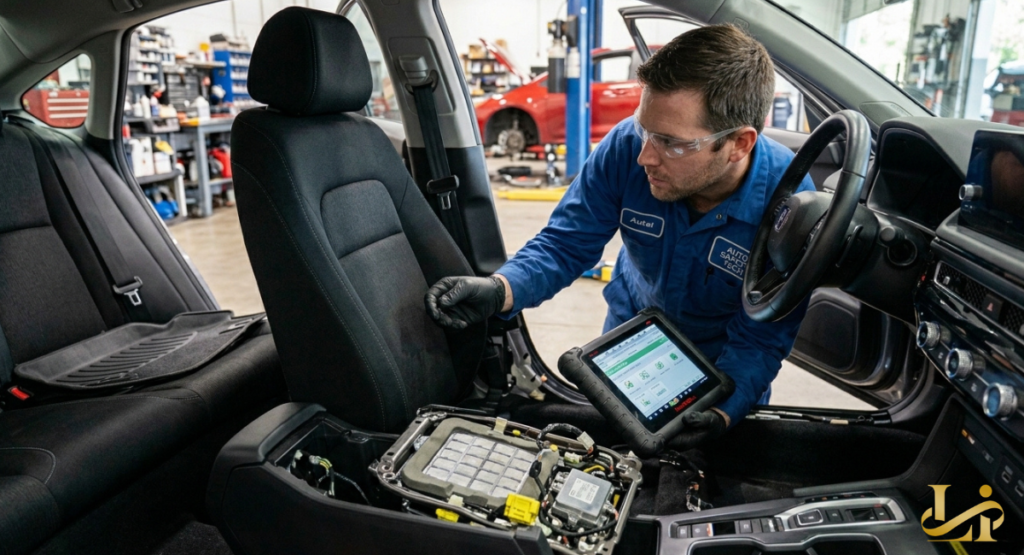
At the core of the Honda Civic recall is a malfunction in the passenger airbag sensor system. This system is designed to determine whether the passenger airbag should activate during a collision.
When the sensor fails, it may send incorrect signals to the airbag control module. In the context of the Honda Civic recall, this means the airbag could deploy when it shouldn’t—or fail to deploy when it is needed most.
The issue develops when moisture affects a capacitor inside the seat sensor. Over time, this can lead to small cracks, which eventually interrupt normal electrical signals. That disruption is what triggered the Honda Civic recall, as it directly impacts crash safety performance.
Understanding the Occupant Classification System (OCS)
Modern Honda vehicles rely on the occupant classification system (OCS) to determine passenger presence and weight. This system plays a key role in airbag decisions.
In the Honda Civic recall, the OCS is directly impacted by the faulty sensor. When the system misreads seat occupancy, it may incorrectly judge whether an airbag should activate.
A properly functioning OCS helps protect passengers by adjusting airbag deployment based on weight and seating position. However, in vehicles affected by the Honda Civic recall, this safety balance may be disrupted, increasing uncertainty during crash situations.
Why the Defective Sensor Could Increase Injury Risks for Children
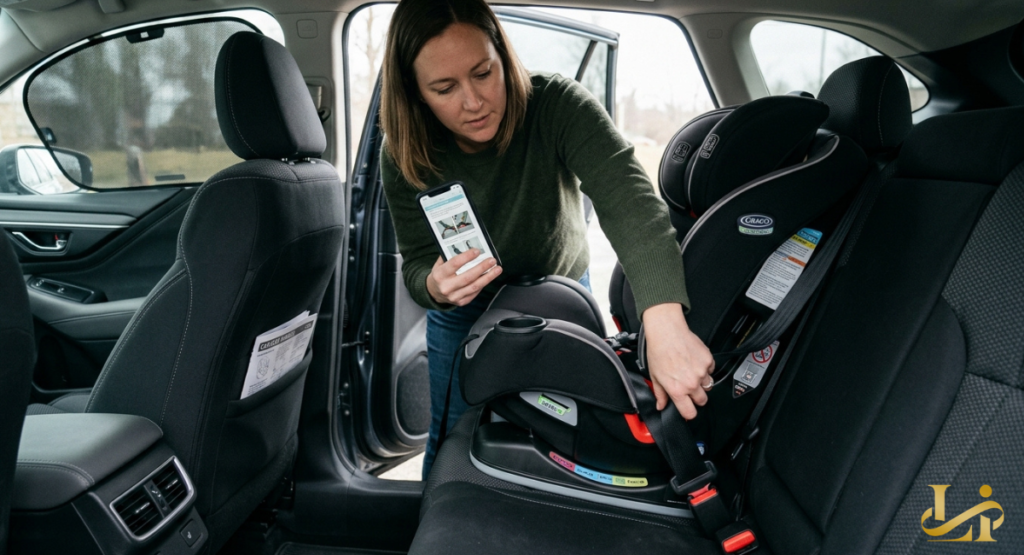
Mobile applications assist drivers in verifying correct security protocols for younger passengers.
One of the most serious concerns in the Honda Civic recall involves child passenger safety. Airbags are designed primarily for adult protection and can be dangerous for smaller passengers if deployed incorrectly.
In affected vehicles, a faulty sensor may incorrectly detect a child as an adult. In such cases related to the Honda Civic recall, the airbag could deploy with full force, increasing the risk of injury in low-speed or minor collisions.
This makes the issue particularly important for families who regularly use the front passenger seat. The Honda Civic recall emphasizes how crucial accurate sensor readings are for protecting vulnerable passengers.
Which Honda and Acura Models Are Included in the Recall?
The Honda Civic recall does not apply to a single model. Instead, it affects several vehicles across Honda and Acura lineups, including Civic, Accord, CR-V, MDX, and RDX models produced in specific years.
Because of this wide coverage, the Honda Civic recall has become a major safety topic for a large number of drivers in the United States. Many owners may not yet be aware that their vehicle is included in the affected group.
How Honda Discovered the Airbag Sensor Problem
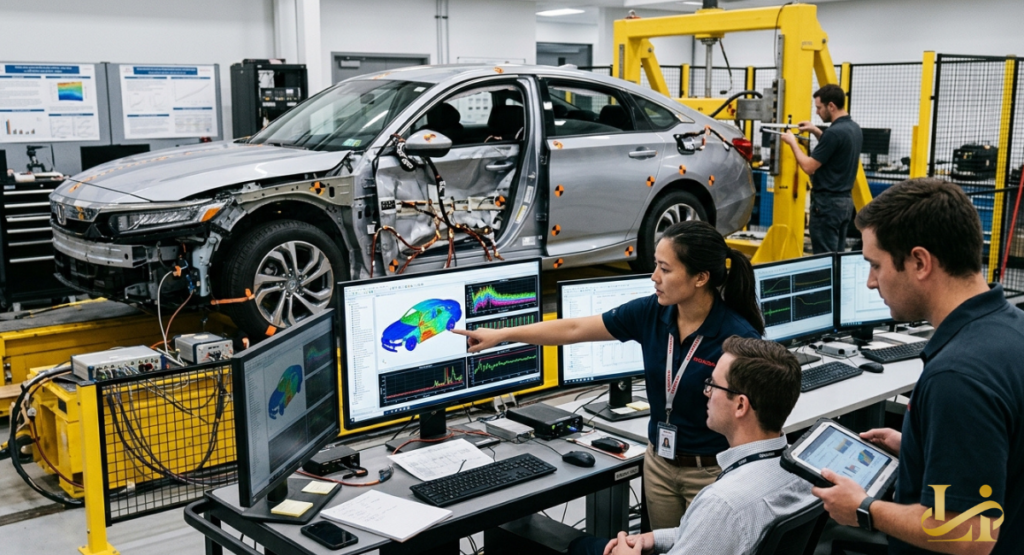
The Honda Civic recall began after Honda identified unusual patterns in warranty claims related to airbag system behavior. Engineers noticed recurring issues tied to the passenger seat sensor.
Further investigation confirmed that the problem was linked to a defective internal capacitor. Once enough data was collected, the issue was escalated and reviewed by federal regulators.
The Honda Civic recall was officially approved after safety authorities validated the risk, even though no confirmed injuries or fatalities have been reported.
What Owners Should Do if Their Vehicle Is Affected
Owners impacted by the Honda Civic recall are encouraged to take immediate action once they receive notification. The first step is to check vehicle eligibility using the VIN through official recall tools.
Until repairs are completed, drivers may choose to limit front passenger use when possible. This precaution helps reduce potential exposure to airbag system errors related to the Honda Civic recall.
Honda strongly advises owners not to delay inspection or ignore recall notices, as the issue involves critical passenger safety components.
Honda and Acura Dealers Offering Free Seat Weight Sensor Replacements
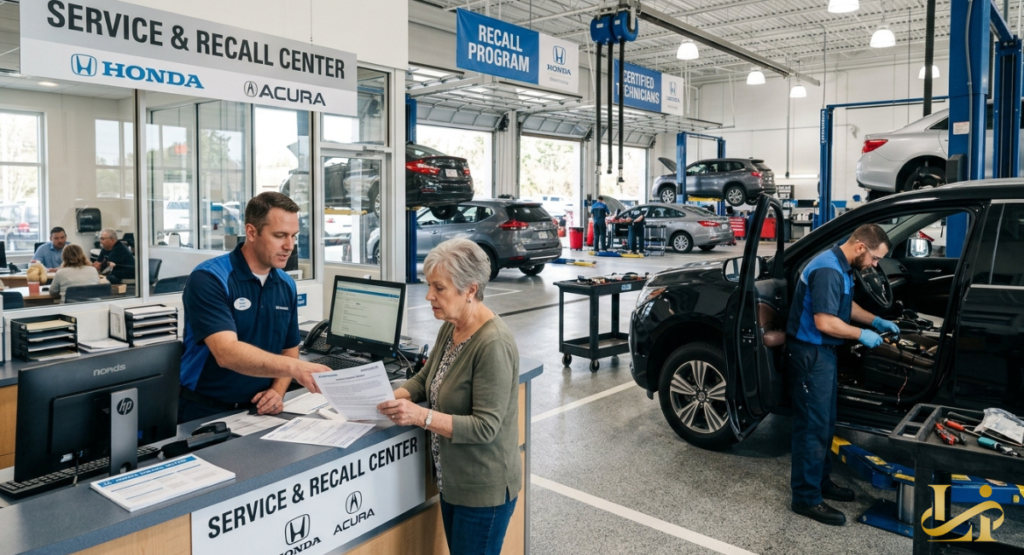
All repairs under the Honda Civic recall are being provided free of charge at authorized Honda and Acura dealerships.
Technicians inspect the passenger seat sensor system, confirm the defect, and replace the faulty component with an improved version designed to resist moisture-related damage.
Once repairs are completed, the system is recalibrated to restore proper airbag function. This ensures that vehicles affected by the Honda Civic recall return to safe operating standards.
How to Check Whether Your Vehicle Is Part of the Recall
Drivers can verify whether their vehicle is affected by the Honda Civic recall using official databases. The most reliable method is entering the VIN into the National Highway Traffic Safety Administration website.
Honda also provides recall lookup tools on its official platform, allowing owners to confirm status quickly. In many cases, checking early helps ensure that those impacted by the Honda Civic recall can schedule repairs without delay.
Honda Recall Timeline, Customer Notifications, and Next Steps

Staff cross-reference safety campaign documentation alongside official corporate flowcharts.
The timeline of the Honda Civic recall began with internal monitoring of warranty claims and progressed through detailed engineering analysis. Once the issue was confirmed, it was submitted to federal safety regulators for approval.
After official review, the recall was publicly announced and customer notifications were prepared in phases. Owners affected by the Honda Civic recall will receive letters explaining the issue and outlining repair instructions.
Honda continues to work with dealerships to ensure repairs are completed efficiently and that all affected vehicles are addressed under the recall program.
Conclusion
The Honda Civic recall highlights how even a small electronic fault can have serious implications for vehicle safety. While no injuries have been reported, the issue underscores the importance of reliable airbag sensor systems.
Through free repairs, regulatory oversight, and customer awareness, the Honda Civic recall is being managed with a focus on safety and transparency. Vehicle owners are strongly encouraged to verify their status and complete repairs promptly to ensure full protection on the road.
FAQs
Which Honda Civics are being recalled?
Honda is recalling Civic models from 2016 to 2022 due to a seat weight sensor issue that affects airbag performance.
What years to avoid for a Honda Civic?
Experts often flag 2016–2022 Honda Civic models in this Honda recall range because of a known airbag sensor defect.
What is Honda’s best selling car?
The Honda Civic is one of Honda’s best-selling cars in the USA, alongside the Honda CR-V.
What is the best month to buy a Honda?
The best time is usually late summer to December, when dealers offer discounts on outgoing inventory.
What year to stay away from Honda?
There is no single bad year, but specific recall-affected years (like 2016–2022 Civic models) should be checked carefully for vehicle safety recall updates.

I write about the world of luxury, from timeless style to premium living, inspiring readers to embrace elegance in everyday life.