The story of Jeep is about far more than transportation. It is a story of resilience, innovation, and adventure. What began as a tough military vehicle built for wartime survival has grown into one of the most recognizable SUV brands in the world. From battlefields in the 1940s to modern highways and mountain trails, Jeep has built a reputation for durability and freedom.
Recognized instantly by its seven-slot grille and off-road strength, the brand blends heritage with modern comfort. Over the decades, the brand has expanded across continents, offering vehicles that handle both crowded city streets and remote wilderness trails with confidence.
Jeep Origins and World War II Legacy
Birth of during World War II
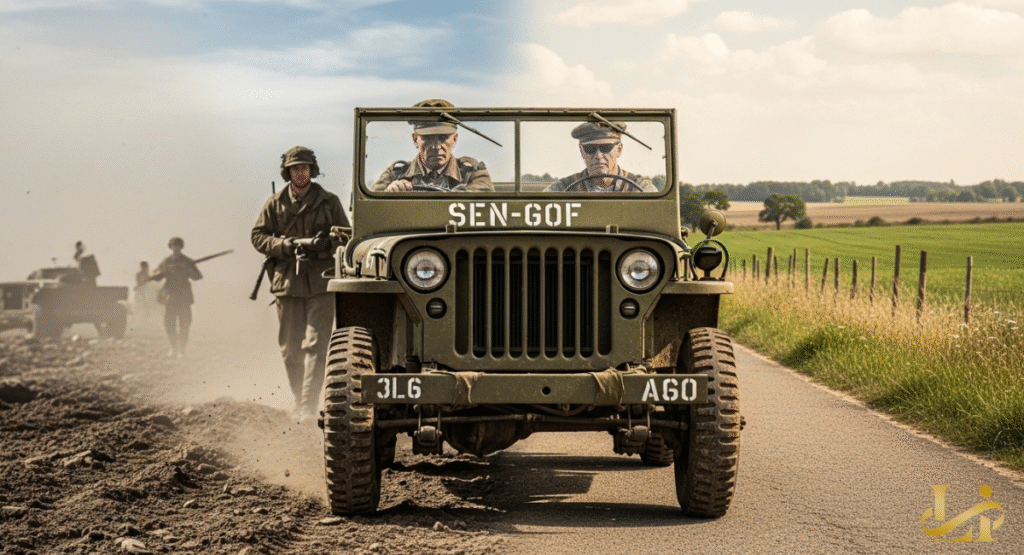
The origins of Jeep trace back to World War II, when the U.S. Army urgently needed a lightweight, dependable reconnaissance vehicle. Engineers and manufacturers answered the call, producing what would become one of the most important military vehicles of the war.
Models like the Willys MB and Ford GPW proved incredibly reliable under extreme conditions. Soldiers depended on them to cross muddy terrain, transport equipment, and navigate battle zones. War correspondent Ernie Pyle famously praised the vehicle’s toughness, helping cement Jeep as a symbol of American ingenuity.
During the war, thousands of units were deployed worldwide. Their simple design, solid axles, and four-wheel-drive systems allowed them to perform in environments where other vehicles struggled. By the end of the war, the brand had already earned legendary status.
The name itself carries interesting history. Some believe it came from the military abbreviation “GP” for General Purpose, while others connect it to a nimble comic strip character named Eugene the Jeep. Regardless of the origin, the name stuck—and so did the reputation.
Military utility vehicles and battlefield reputation
Throughout World War II, the brand vehicles served in nearly every major theater. They transported troops, delivered supplies, and even carried the wounded. Variants were developed for specialized roles, including amphibious versions and heavier-duty transport models.
More than just machinery, these vehicles boosted morale. They were dependable companions in uncertain times. When the war ended, surplus units were sold to civilians, marking the beginning of Jeep’s transition into everyday life.
Transition from war icon to civilian brand
After the war, manufacturers recognized that returning soldiers and American families needed practical, durable vehicles. The civilian CJ (Civilian Jeep) series was introduced, bringing off-road capability to farms, small towns, and growing suburbs.
This shift transformed the brand from a military necessity into a lifestyle symbol. Freedom, exploration, and capability became the foundation of the brand’s identity.
Post-War Military and Civilian Evolution
Expansion into civilian SUVs
The post-war years marked a turning point for Jeep. Civilian models expanded beyond basic utility, offering improved comfort while maintaining rugged performance. Families embraced these vehicles for work and recreation alike.
New additions like the Jeepster and Station Wagon broadened the appeal. By combining toughness with everyday usability, the brand carved out a unique position in the emerging SUV market.
Early CJ models and off-road culture
Early CJ models played a major role in shaping off-road culture in America. Outdoor enthusiasts formed clubs, organized trail events, and celebrated adventure driving. Gatherings like the Jeep Jamboree helped create a passionate community around the brand.
These vehicles were simple, strong, and easy to modify qualities that helped Jeep become synonymous with trail riding and exploration.
Growth of Jeep’s rugged identity
Over time, the rugged image of Jeep only grew stronger. The signature grille became an unmistakable symbol. Vehicles like the Wrangler and Grand Cherokee reinforced the brand’s reputation for blending off-road strength with modern convenience.
Through sponsorships, motorsports, and outdoor campaigns, the brand evolved into more than a manufacturer—it became a lifestyle brand associated with freedom and adventure.
Company History and Ownership
Ownership changes over decades
Like many historic brands, the brand experienced several ownership changes. From Willys-Overland to Kaiser, AMC, Chrysler, and eventually Fiat Chrysler Automobiles, each era shaped the company’s direction.
Today, Jeep operates under Stellantis North America, continuing to expand globally while preserving its heritage.
From Willys-Overland to Stellantis
Despite corporate transitions, production roots remain strong in Toledo, Ohio. Each ownership chapter introduced new innovations and broader international reach, helping the brand grow from a domestic icon into a global powerhouse.
Brand strategy and global positioning
Modern the brand strategy focuses on balancing heritage with innovation. Classic off-road models remain central, while newer compact and electrified vehicles attract urban and eco-conscious drivers. This balance keeps the brand competitive in a changing automotive landscape.
Brand, Trademarks and Image
Meaning and Etymology of “Jeep”
The name “Jeep” carries both military and cultural significance. Whether rooted in the term “GP” or inspired by comic lore, it reflects agility and capability—qualities that define the brand to this day.
Trademark protection and branding power
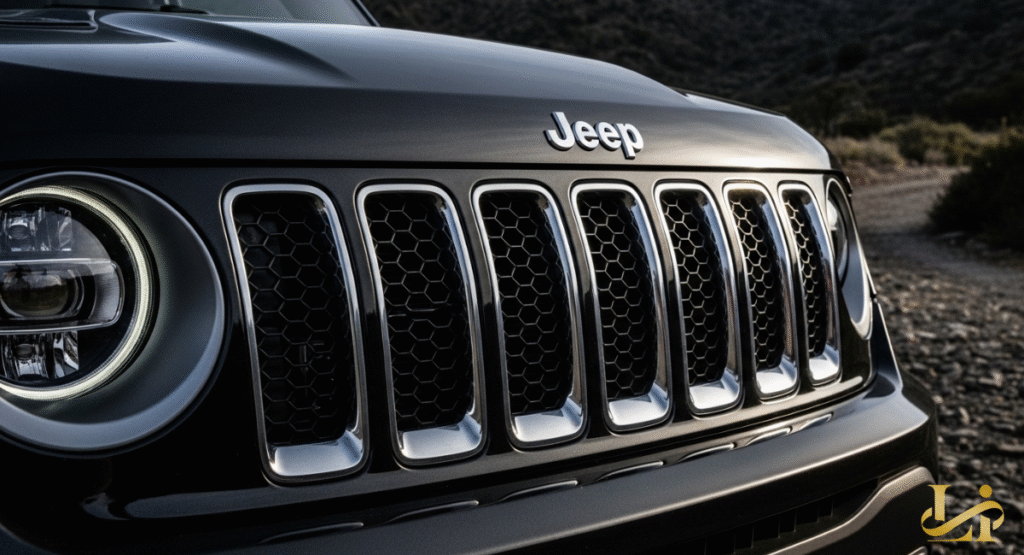
The seven-slot grille is one of the most protected and recognizable automotive designs in the world. Strong trademark enforcement has helped the brand maintain its distinct identity across international markets.
Off-road reputation and lifestyle marketing
Lifestyle marketing plays a major role in the success of Jeep. Events, branded gear, and trail experiences reinforce the emotional connection drivers feel with their vehicles. Owning a Jeep often feels like joining a community.
Model Lineup: Military and Civilian Vehicles
Military model list
Historic military models include the Willys MB, Ford GPW, Bantam BRC, and later service vehicles built for transport and logistics. These early vehicles laid the technical and cultural foundation for modern Jeep engineering.
Civilian model list
Civilian offerings evolved from the CJ series into wagons, trucks, and versatile family vehicles. Each generation expanded what the brand could represent workhorse, adventure partner, or daily commuter.
Current models available in the U.S.
Today’s lineup includes popular SUVs and pickups designed for both comfort and off-road capability. Whether built for trails or highways, modern the brand vehicles maintain the spirit of their predecessors.
Jeeps built outside the U.S.
International production in countries like Brazil, China, and parts of Europe allows the brand to serve a global customer base while adapting to local market needs.
Jeep Avenger 2027: Entry-Level SUV Revolution
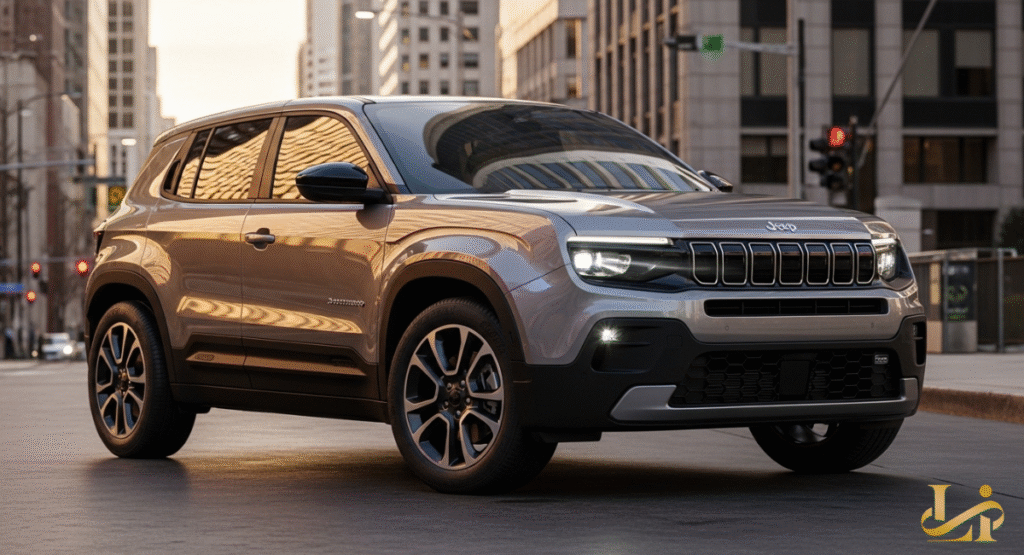
The Jeep Avenger 2027 introduces a fresh direction for the brand in the compact SUV segment. Designed for urban drivers while preserving off-road character, this model reflects how the brand continues to evolve.
Efficient powertrains and practical design make it appealing to younger and environmentally conscious buyers, proving that capability and efficiency can coexist.
Jeep Grand Cherokee 2026: Performance and Efficiency Upgrade
The Jeep Grand Cherokee 2026 enhances performance while improving fuel efficiency through hybrid technology. Updated safety systems, refined interiors, and advanced four-wheel-drive options demonstrate how the brand blends heritage with modern expectations.
This model continues to position the brand strongly within the competitive luxury SUV segment.
Upcoming Vehicles and Future Strategy
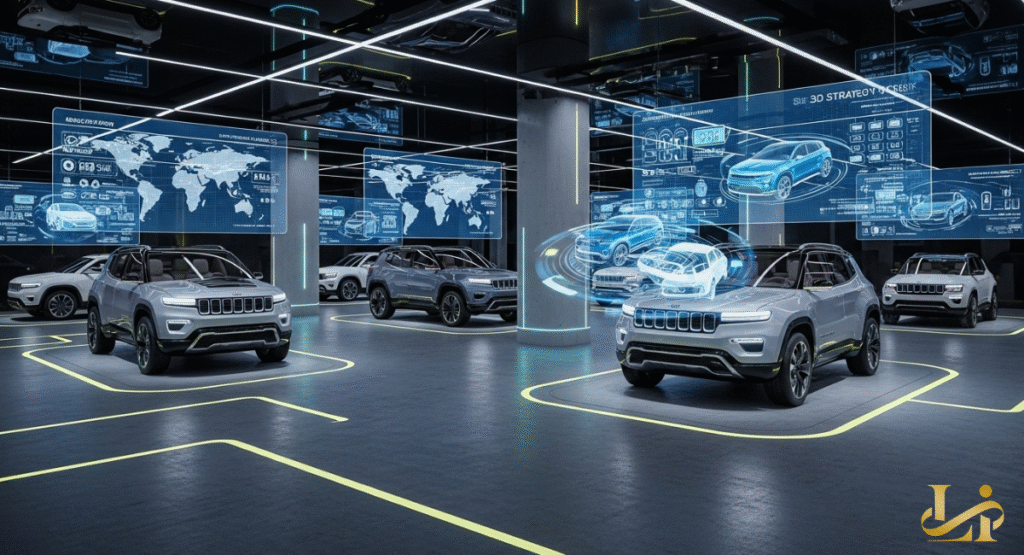
Electrification is central to the future of the brand . Hybrid and plug-in models are expanding, with investments focused on sustainability and advanced off-road systems. The goal is clear: deliver adventure-ready vehicles that also respect environmental responsibility.
As global demand grows, Jeep aims to strengthen its presence in North America, Europe, and emerging markets.
Leadership and Corporate Direction
Leadership under Stellantis North America continues to guide the brand toward innovation and global growth. Strategic investments in research, electrification, and design ensure the brand remains competitive and forward-thinking.
Cultural Impact and Sponsorships
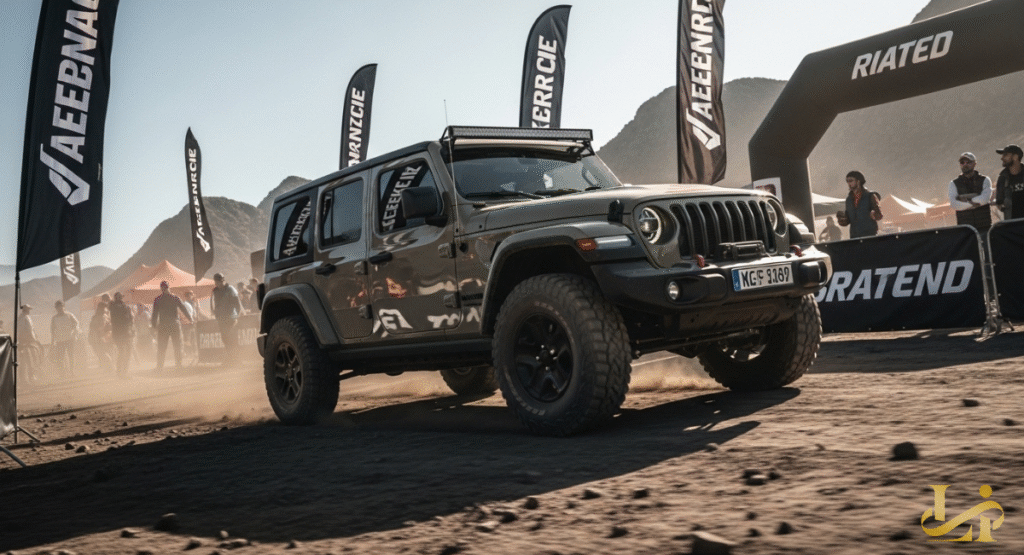
Few automotive brands have influenced culture like the brand . From road trips and camping traditions to off-road competitions and branded apparel, the name carries emotional weight. For many drivers, owning a the brand represents independence and exploration.
Across generations, the brand has inspired adventure stories and outdoor lifestyles, reinforcing its status as more than just a vehicle manufacturer.
Table: Popular Models and Key Features
Model | Type | Off-Road Capability | Production Location
Jeep Wrangler | SUV | High | Toledo, Ohio
Jeep Grand Cherokee | Luxury SUV | Medium-High | Toledo, Ohio
Jeep Gladiator | Pickup | High | Toledo, Ohio
Jeep Cherokee | SUV | Medium | U.S./Global
Jeep Avenger 2027 | Compact SUV | Medium | Brazil
FAQS
What is the best Jeep to buy?
The best Jeep depends on your needs. The Wrangler is ideal for serious off-road use, while the Grand Cherokee offers comfort and refinement.
What are some common the brand problems?
Some owners report electrical issues, transmission wear, or suspension concerns in older models, though reliability has improved in recent years.
Is Jeep owned by Toyota?
No, Jeep operates under Stellantis North America.
How much is the cheapest Jeep?
Entry-level models like the Compass or Avenger typically start in the upper $20,000 range in the U.S.
Which Jeeps to stay away from?
Older high-mileage models should be carefully inspected before purchase, particularly early production years with known reliability concerns.

I write about the world of luxury, from timeless style to premium living, inspiring readers to embrace elegance in everyday life.