The Minnesota Classic Car Law is generating a lively debate among vintage car enthusiasts and hobbyists across the state. House File 3865 proposes new restrictions on when collector cars can be driven, limiting weekday use and setting specific hours on weekends. Under this bill, owners would primarily use their vehicles for club events, parades, or exhibitions.
Many in the vintage car community are concerned about these limitations, fearing less flexibility and potential financial impacts. By focusing on heritage vehicle registration and compliance, lawmakers aim to balance public safety with hobbyist freedom. The proposed changes underscore the ongoing debate between regulation and the enjoyment of classic automobiles under the Minnesota Classic Car Law.
Overview of the Proposed Minnesota Classic Car Law in Minnesota
House File 3865 outlines clear rules for vintage vehicle usage. Collector cars could be used for exhibitions, club activities, parades, or tours, with weekday driving largely prohibited unless connected to official events. Weekend daytime drives would still be allowed. Lawmakers argue these measures protect the integrity of collector, street rod, and pioneer license plate categories.
For many owners, this represents a major shift from previous rules that were more flexible and focused mainly on preventing daily commuting in collector vehicles. Hobbyists often rely on weekend drives to enjoy their cars and participate in shows or parades. Limiting these activities may impact not only personal enjoyment but also restoration shops, event organizers, and tourism tied to car shows. This highlights the tension between the Minnesota Classic Car Law weekday restrictions and the freedom collectors expect.
Key Restrictions on Classic Car Usage
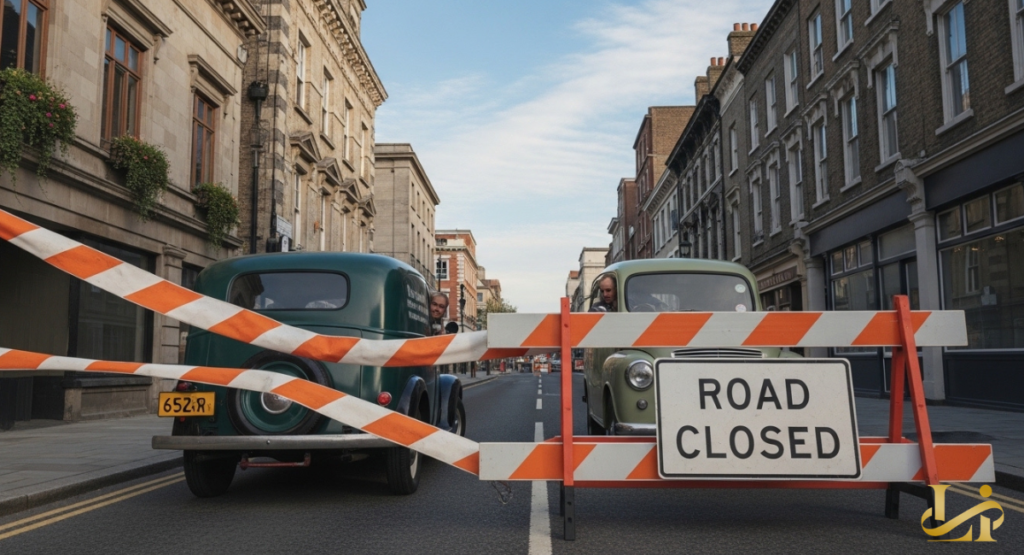
Under HF 3865, several rules would reshape how collector vehicles can be used. Weekday driving would be restricted, weekend night driving prohibited, and participation in official events would become the primary exception. Owners will need to plan trips carefully and ensure their driving aligns with documented events like parades or car club activities.
The bill also addresses recordkeeping for exhibitions and parades, requiring accurate logs to ensure compliance and prevent misuse of collector vehicles. Supporters argue these steps protect public safety and preserve collector status, while critics see them as overly restrictive, creating challenges for everyday enthusiasts and impacting the broader vintage vehicle community under the Minnesota Classic Car Law.
Why Lawmakers Want to Change Classic Car Regulations
Lawmakers justify the new rules with safety concerns. Older cars often lack modern safety features, making them riskier on busy streets. Environmental considerations also play a role, as vintage vehicles may not meet current emissions standards. Limiting use helps reduce pollution and wear on older vehicles while still allowing them to be preserved.
Officials also want to ensure that vehicles registered with collector plates aren’t used for general transportation. These updates to the Minnesota Classic Car Law are meant to balance hobbyist interests with public safety and environmental responsibility, ensuring that collector cars are enjoyed responsibly.
Reaction from the Classic Car Community
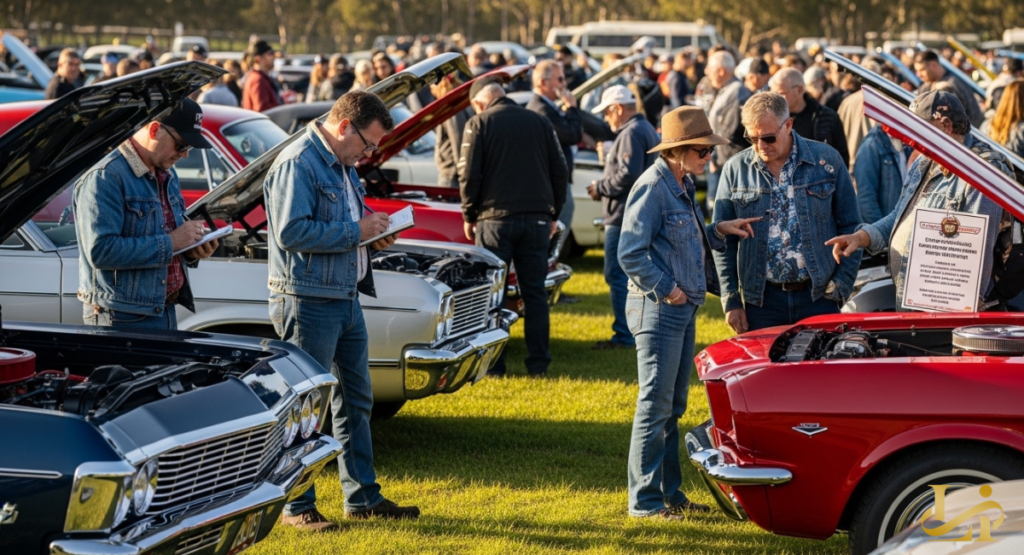
Vintage car enthusiasts have voiced strong concerns. Many feel the weekend driving limits are unfair, as leisurely drives are central to the collector experience. Car clubs, restoration shops, and hobbyists have shared their opposition on social media and through letters to legislators.
Groups like the Minnesota Classic Car Association worry that the bill could reduce participation in shows and parades. They argue that strict recordkeeping and limitations add bureaucratic hurdles. The backlash demonstrates how the Minnesota Classic Car Law debate often pits tradition against regulation, sparking discussions about how government should manage automotive hobbies.
How the New Bill Could Affect Collectors and Hobbyists
If HF 3865 passes, collectors will face reduced flexibility in how and when they use their vehicles. Weekend driving and official events will dictate schedules, affecting personal enjoyment and social participation in rallies, parades, and exhibitions. Some enthusiasts may hesitate to invest in restoration projects or attend car shows due to these limitations.
Financially, the bill could affect the market for collector car license plate categories. Insurance premiums might increase, and compliance logs could add extra costs. Owners may need to maintain detailed records for both insurance and law enforcement, creating additional administrative work. Understanding these new rules under the Minnesota Classic Car Law will be essential for hobbyists to avoid penalties.
Comparison with Existing Classic Car Laws

Current classic car driving rules in Minnesota are less restrictive, mainly aimed at preventing daily commuting in collector vehicles. The new bill specifies driving hours and allowable events. For context, California’s Leno’s Law also limits classic cars for exhibition, focusing on emissions compliance. This shows a growing national trend of states regulating vintage vehicle use.
Enforcement is another challenge. Officials must monitor driving times and confirm event participation. The table below compares existing rules with HF 3865:
| Feature | Current Law | Proposed HF 3865 |
|---|---|---|
| Weekday Driving | Occasionally allowed | Mostly prohibited |
| Weekend Driving | No limits | Daylight only |
| Club Events | Encouraged | Required for exceptions |
| Documentation | Minimal | Required for compliance |
Related News and Developments Around the Bill
The Minnesota State Legislature continues discussions on collector cars. HF 3865 has been reviewed in the Transportation Finance and Policy Committee and awaits further deliberation. Governor Tim Walz, who owns a classic car himself, may bring a unique perspective to the debate.
Similar laws in other states, like California and Texas, emphasize exhibitions over daily use. These updates show a national trend toward stricter control, sparking debate about how the Minnesota Classic Car Law should balance hobbyist freedom with public policy goals.
Potential Economic Impact on the Automotive Industry

The proposed law could significantly affect restoration shops and classic car dealerships. Limiting driving may reduce the number of cars available for sale or restoration projects. Events and tourism tied to car shows may also see lower participation.
| Sector | Potential Impact |
|---|---|
| Restoration Shops | Decreased demand due to limited usage |
| Car Dealerships | Slower sales of vintage cars |
| Car Shows & Parades | Lower attendance and revenue |
| Tourism | Reduced local travel for enthusiasts |
These driving restrictions under the Minnesota Classic Car Law could ripple through multiple aspects of the automotive hobbyist economy.
Criticism: “A Stupid Waste of Time” Debate
Opponents argue HF 3865 is unnecessary and overly bureaucratic. Many hobbyists view it as a classic car weekday driving ban that limits freedom without addressing real issues. Legal experts also question enforceability, as tracking driving times and events is difficult.
Critics warn that the bill might discourage participation in restoration projects or car shows, potentially harming the very classic car community the legislation intends to protect.
What Happens Next: Timeline and Legislative Process

HF 3865 is under review by the Transportation Finance and Policy Committee. If passed, it will move to both chambers for approval before reaching Governor Tim Walz’s desk. Lawmakers may adjust the bill in response to feedback from the vintage car community.
Collectors should stay informed about the timeline. If enacted, the law will enforce strict weekday and weekend limits under the Minnesota Classic Car Law, requiring careful planning for events and personal drives.
FAQS
How old does a car have to be to be considered a classic in MN?
Vehicles must be at least 20 years old to qualify as a classic under the Minnesota Classic Car Law.
Is it illegal to eat while driving in MN?
There’s no statewide law banning eating while driving, but distracted driving laws could apply if it affects safe vehicle operation.
What are the new laws in Minnesota 2026?
Among the 2026 updates are changes to the Minnesota Classic Car Law, traffic safety measures, and other state-level legislation. Full details are available through the Minnesota State Legislature.
Can you get pulled over for no front plate in MN?
Yes, vehicles that require a front license plate under Minnesota registration rules can be pulled over if it’s missing.
Can I daily drive with antique plates?
No. Vehicles with antique or collector plates in Minnesota are typically limited to exhibitions, parades, or weekend drives, not daily commuting, as outlined in the Minnesota Classic Car Law.

I write about the world of luxury, from timeless style to premium living, inspiring readers to embrace elegance in everyday life.