Paczki Day is more than a bakery tradition it’s a celebration people genuinely look forward to every winter. Held on Fat Tuesday, just before Lent begins on Ash Wednesday, the day is rooted in Polish custom and centered around rich, filled pastries known as pączki.
In cities like Chicago and Detroit, bakeries begin frying before sunrise to meet the demand. Families wait in long lines, coworkers bring boxes to the office, and neighborhoods buzz with anticipation. What began centuries ago in Poland has grown into a cherished American tradition that blends food, faith, and community in a truly memorable way.
When Is Paczki Day 2026?
Paczki Day in 2026 falls on Tuesday, February 17. The date changes every year because it follows the Easter calendar. Since Easter moves annually, so does Fat Tuesday the final day before the Lenten season begins.
For many, Paczki Day marks one last opportunity to enjoy something indulgent before the more reflective season of Lent starts. While Poland celebrates a similar tradition on Tłusty Czwartek (Fat Thursday), Polish-American communities observe it on Fat Tuesday. As the date approaches, bakeries often announce specialty flavors, and loyal customers plan ahead to secure their favorites.
What Is Paczki? (Description, Ingredients & Meaning)
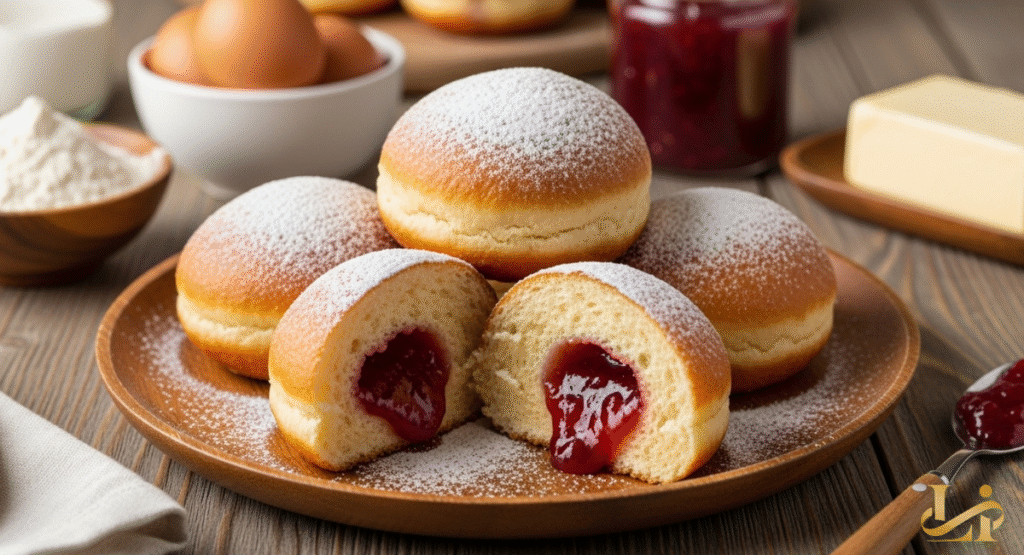
At its core, a paczek (plural: pączki) is a rich Polish doughnut made from soft yeast-based dough enriched with eggs, butter, and sugar. Some traditional recipes include a small amount of grain alcohol in the dough to prevent it from absorbing too much oil during frying. Once cooked, the pastries are typically dusted with powdered sugar or glazed lightly on top.
Unlike standard donuts, pączki are denser and richer due to the extra egg yolks and fat in the dough. Traditional fillings include rose petal jam and plum jam, both of which offer a slightly tart contrast to the sweet pastry. While they may resemble jelly doughnuts or Berliners, the texture and richness set them apart.
| Feature | Paczki | Regular Donut |
|---|---|---|
| Dough richness | High egg content | Standard dough |
| Texture | Dense and soft | Light and airy |
| Filling | Traditional fruit jams | Jelly or cream |
| Cultural role | Pre-Lenten feast pastry | Everyday treat |
History of Paczki Day
The roots of Paczki Day stretch back centuries in Poland. Before Lent began, families would use up rich ingredients like eggs, butter, and sugar rather than letting them go to waste during the fasting period. Early versions of pączki were sometimes savory, but sweet fillings gradually became the norm.
When Polish immigrants settled in American cities, they brought this Polish tradition with them. Communities in Chicago, Detroit, Milwaukee, Buffalo, and Cleveland embraced the celebration, and over time Paczki Day became a widely recognized event. In some areas, it even blends with the festive spirit of Mardi Gras, creating a lively and colorful atmosphere.
Etymology, Spelling, and Pronunciation of Pączki
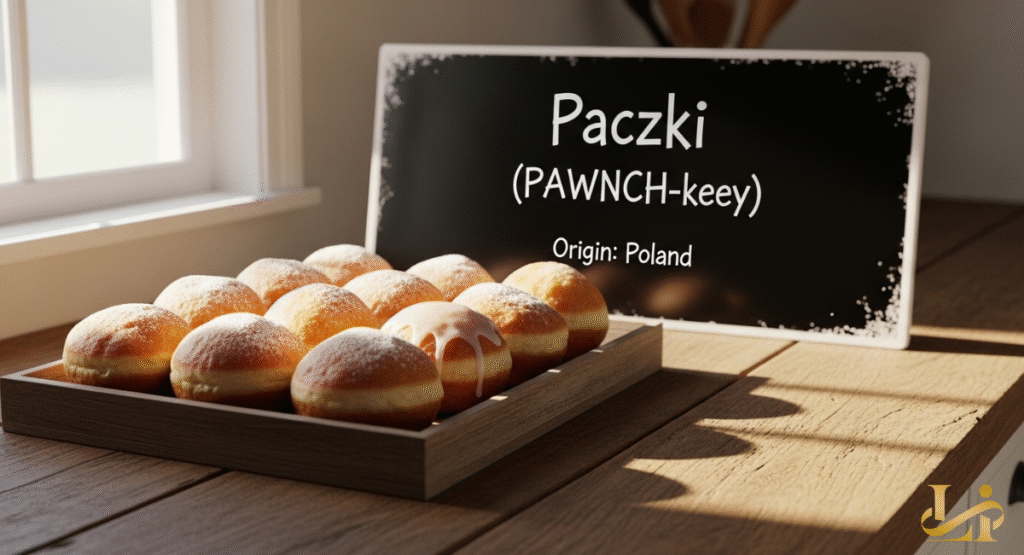
The word “pączki” comes from a Polish term meaning “little buds,” referring to the way the dough puffs up as it fries. In Poland, it’s pronounced roughly as “POHNCH-kee.” In the United States, many people simplify the pronunciation to “poonch-key.”
Although the accent mark is often dropped in English spelling, the original form reflects the pastry’s heritage. Over generations, pronunciation has evolved in Polish-American communities, but the tradition itself remains strong regardless of how it’s said.
Paczki Day in the United States and Canada
In places like Hamtramck and Detroit, Paczki Day feels like a local holiday. Lines stretch down the block as bakeries work through the night preparing thousands of pastries. Churches and community groups often organize celebrations, and some cities host parades or themed events.
Chicago sees enormous bakery sales on this day, while Cleveland and Buffalo also participate enthusiastically. In Hamtramck, street celebrations and annual events draw large crowds. For many neighborhoods, Paczki Day is about more than pastries — it’s about honoring cultural identity and bringing people together.
| City | Celebration Style |
|---|---|
| Chicago | Large-scale bakery sales |
| Detroit | Parades and festivals |
| Hamtramck | Street celebrations |
| Cleveland | Community bakery events |
Popular Paczki Filling Flavors
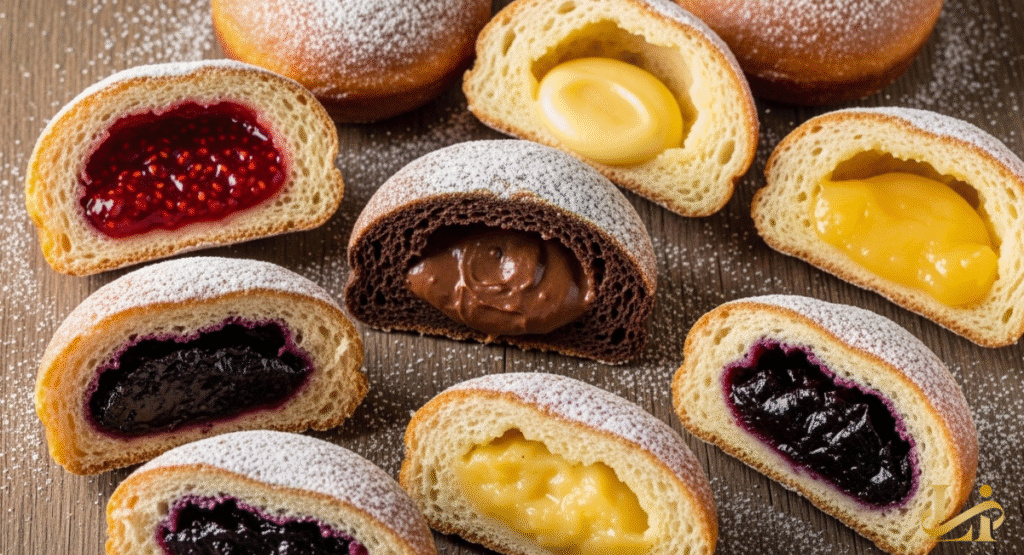
Traditional flavors remain popular year after year. Rose petal jam and plum jam connect directly to Polish heritage and continue to be customer favorites. Their slightly tart taste balances the richness of the dough beautifully.
At the same time, modern bakeries have expanded their offerings. Custard, raspberry, lemon, chocolate, and cream-filled varieties are widely available. Some shops even experiment with creative twists like maple bacon or specialty seasonal flavors. Social media has helped introduce these new varieties to a wider audience, keeping Paczki Day fresh and exciting each year.
Paczki vs Donuts: What’s the Difference?
While pączki may look similar to donuts at first glance, the differences become clear after one bite. The dough contains more eggs and butter, resulting in a heavier and more satisfying texture. Bakers sometimes use a bit of grain alcohol in the dough to reduce oil absorption during frying.
Compared to a Berliner or standard jelly doughnut, pączki feel richer and more substantial. That extra density is part of what makes them special. They’re not just another everyday pastry — they’re meant to be enjoyed as part of a specific seasonal celebration tied to Paczki Day.
How Paczki Day Is Celebrated Today
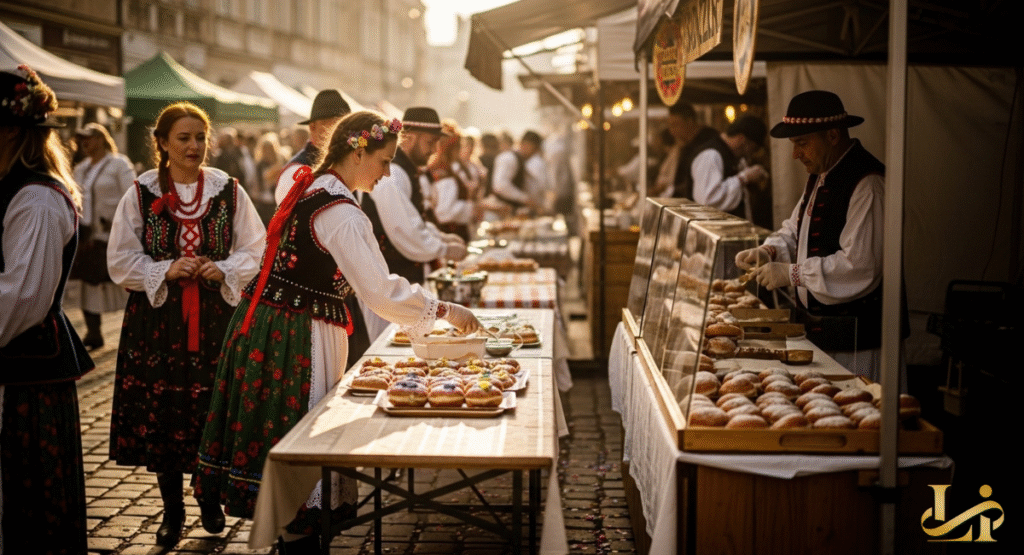
Today, Paczki Day blends tradition with modern celebration. Bakeries prepare massive batches overnight, and many customers pre-order weeks in advance. Offices often bring in boxes to share, and schools sometimes use the day as an opportunity to discuss Polish heritage.
In Detroit and surrounding communities, parades and neighborhood events add to the festive mood. Social media platforms fill with photos of powdered sugar-covered pastries and colorful bakery displays. Even people without Polish roots join the celebration, drawn by the food and the joyful atmosphere that Paczki Day brings each year.
Why Paczki Day Matters Before Lent
Spiritually, Paczki Day represents the final day of indulgence before Ash Wednesday begins Lent. Historically, families cleared their kitchens of rich ingredients before entering a period of fasting and reflection. The tradition carried both practical and symbolic meaning.
Culturally, Paczki Day continues to strengthen identity in Polish-American communities. In cities such as Chicago and Detroit, it serves as a reminder of immigrant roots and shared history. These pastries are more than sweets — they reflect generations of tradition carried forward into the present.
The Enduring Power of Paczki Day
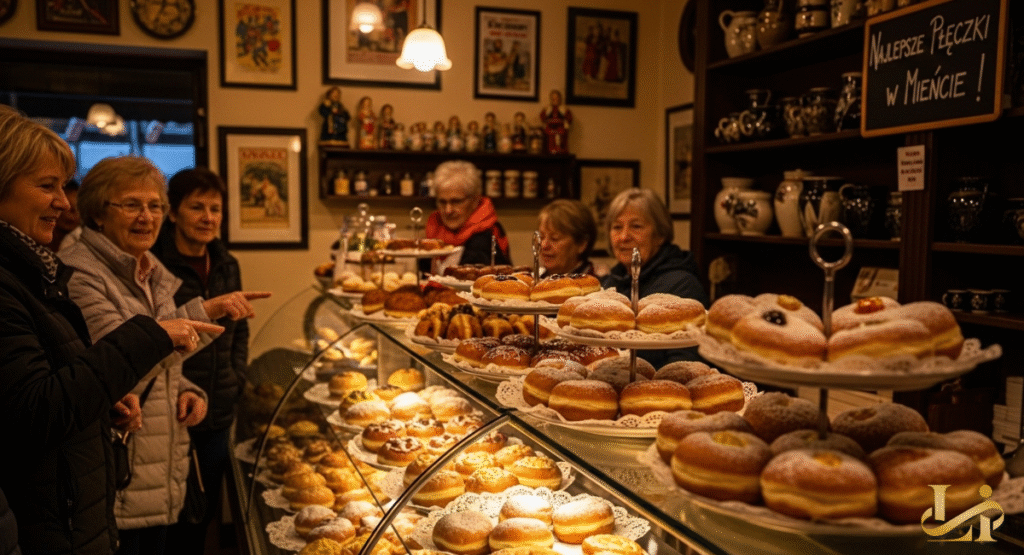
Ultimately, Paczki Day combines flavor, faith, and family in a way few food traditions can. From Fat Tuesday celebrations to echoes of Tłusty Czwartek in Poland, the custom spans continents and generations.
Whether you celebrate in Hamtramck, Milwaukee, or your hometown bakery, Paczki Day offers a chance to connect with history through something simple and delicious. It’s a reminder that food traditions endure because they bring people together and sometimes, a single pastry can tell a story that stretches back hundreds of years.
FAQS
Why are paczki on Fat Tuesday?
Paczki are traditionally eaten on Fat Tuesday as a final indulgence before Lent, using up rich ingredients like sugar, eggs, and butter.
What day is National Paczki Day?
National Paczki Day is observed on Fat Tuesday, which in 2026 falls on February 17 in the United States.
Is paczki day a Midwest thing?
While celebrated nationwide, Paczki Day is especially popular in Midwest cities with strong Polish-American communities like Chicago and Detroit.
Why do Polish celebrate Fat Thursday?
In Poland, Tłusty Czwartek (Fat Thursday) is celebrated before Lent as a day to enjoy pączki and other rich foods.
Are paczkis a Catholic thing?
Yes, the tradition is rooted in Catholic customs, marking indulgence before the Lenten fasting period begins.

I write about the world of luxury, from timeless style to premium living, inspiring readers to embrace elegance in everyday life.