The recent Chicken Fried Rice Recall has alarmed shoppers across the United States. Millions of frozen meals sold at Trader Joe’s and other retailers were pulled from shelves after reports of possible glass contamination. This Chicken Fried Rice Recall involves products made by Ajinomoto Foods North America and distributed nationwide.
Federal agencies issued a USDA notice alongside an FSIS food safety alert to protect consumers. Experts warn that glass in frozen food can cause serious health risks. If you bought any affected bags, checking the production dates immediately is essential for your safety.
Why Trader Joe’s Chicken Fried Rice Was Recalled
The Chicken Fried Rice Recall began after customers reported finding glass in frozen meals. Investigators confirmed that certain batches of chicken fried rice might contain glass fragments.
Federal authorities classified this as a serious case of foreign material contamination, which triggers immediate regulatory action. The USDA issued a chicken recall notice, supported by an FSIS food safety alert. Even though these frozen meals are labeled “Not ready-to-eat,” glass pieces could pose danger before cooking, prompting rapid removal from shelves nationwide.
Ajinomoto Foods Recalls 3.3 Million Pounds
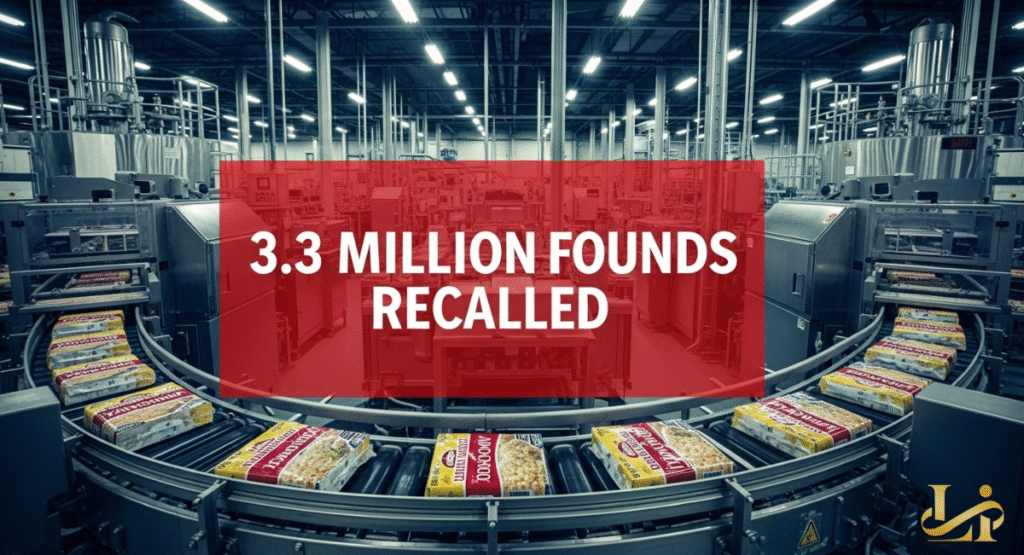
Ajinomoto Foods North America, based in Portland, Oregon, is at the center of this Chicken Fried Rice Recall. The company recalled nearly 3.4 million pounds of frozen meals, making it one of the largest recalls of the year.
This action followed four consumer complaints. While no injuries were reported, the size of the recall demonstrates how quickly authorities respond when contamination involves sharp foreign objects like glass. Headlines highlighted this large-scale recall, drawing national attention to the issue.
Production Dates and Affected Products (Sept. 8 – Nov. 17, 2025)
The Chicken Fried Rice Recall applies to products produced between September 8 and November 17, 2025. Only certain best-by dates are affected, ranging from September 9 to November 12.
Products include 20-ounce frozen chicken fried rice packages sold at Trader Joe’s stores, as well as bulk cartons exported to Canada containing Yakitori chicken with Japanese-style fried rice. The Canadian distribution triggered a parallel recall across the border, expanding the recall’s impact.
| Product Type | Package Size | Production Dates | Best-By Dates | Distribution |
|---|---|---|---|---|
| Frozen chicken fried rice | 20-ounce packages | Sept. 8–Nov. 17, 2025 | Sept. 9–Nov. 12 | U.S. |
| Yakitori chicken with Japanese-style fried rice | Multi-pack cartons | Sept. 8–Nov. 17, 2025 | Sept. 9–Nov. 12 | U.S. & Canada |
States Impacted by the Nationwide Recall
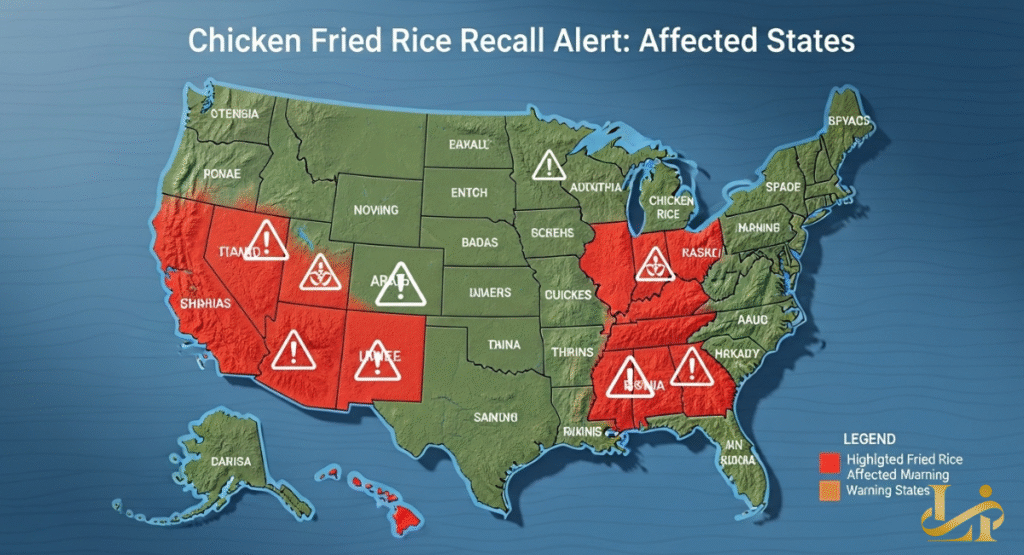
Because this Chicken Fried Rice Recall is nationwide, nearly every U.S. state received shipments of the affected products. Major cities reported stock on shelves prior to the recall notice.
The recall label quickly spread through media channels. Other retailers outside of Trader Joe’s also carried the affected frozen meals, though Trader Joe’s remains the most visible brand. Online grocery services included these items in shipments, and cross-border shipments to Canada widened concern. Consumers across North America should check their freezers for any recalled products immediately.
Consumer Complaints and Reported Incidents
Four consumers reported finding glass in frozen meals to federal authorities. While this may seem like a small number, even a single piece of glass poses serious risk.
Regulators treat foreign material contamination with utmost seriousness because injuries can escalate quickly. Swallowing glass may cause internal cuts or digestive damage. No injuries have been confirmed so far, but anyone experiencing pain after consuming these products should seek medical attention immediately. This underscores why the Chicken Fried Rice Recall was issued so promptly.
What to Do If You Purchased the Recalled Chicken Fried Rice
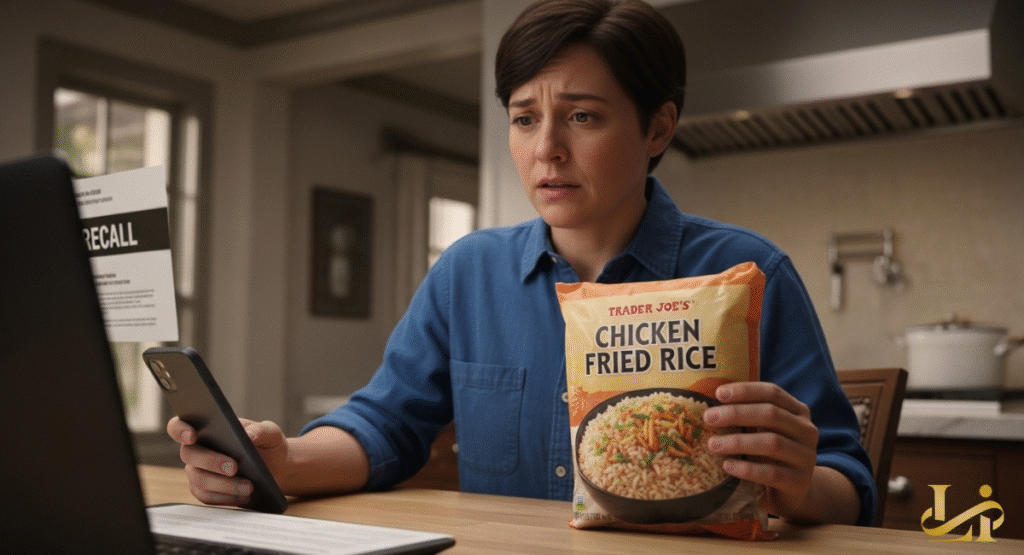
If you bought any items affected by the Chicken Fried Rice Recall, do not eat them. Compare your packaging to the production and best-by dates listed above.
You can safely dispose of the products or return them to Trader Joe’s for a full refund. Consumers can also contact the USDA hotline or check FSIS updates online. Stores usually post recall signage near entrances, and keeping receipts may help, though refunds often do not require proof of purchase.
FDA and Federal Safety Response
While the USDA oversees meat products, other federal agencies also collaborate on food safety. In this case, the FSIS food safety alert was the main public notice. Inspectors examined the Portland, Oregon production facility to identify broken or defective equipment.
Glass contamination often occurs when protective light fixtures shatter near conveyor belts. Federal oversight ensures corrective action is taken to prevent future incidents. The USDA chicken recall notice for this Chicken Fried Rice Recall remains active as investigations continue.
Food Safety Risks of Glass Contamination
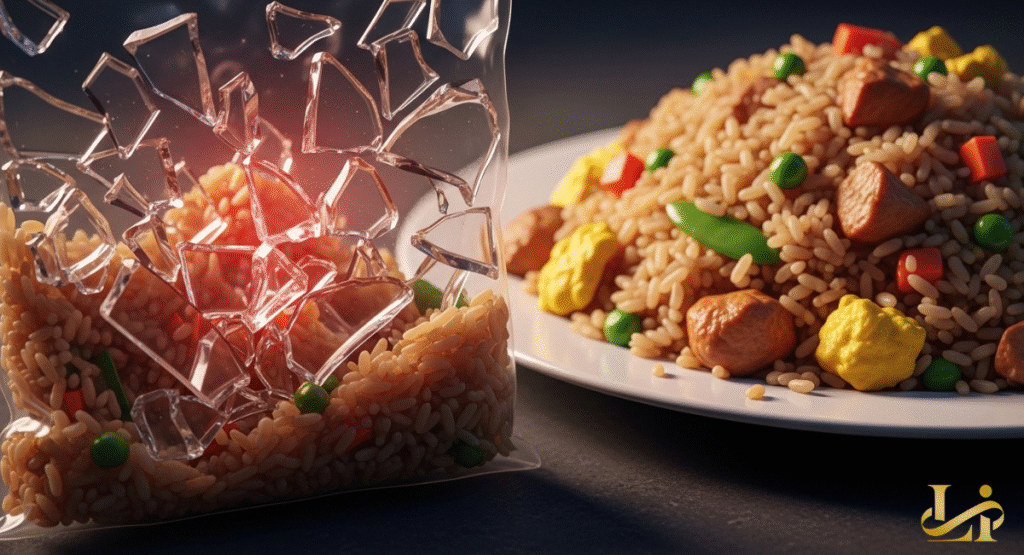
Glass ingestion is dangerous even in small amounts. Tiny shards can cut the mouth or throat, and larger fragments can damage the stomach lining.
That is why the Chicken Fried Rice Recall received such high-level attention. Physical contamination like glass differs from bacterial contamination because it doesn’t multiply, but it causes immediate injury risk. Glass is particularly hazardous because it can splinter invisibly, making it a serious safety concern.
Impact on Trader Joe’s and Retailers
Brand trust is critical in grocery retail. The Chicken Fried Rice Recall could temporarily affect consumer confidence in Trader Joe’s.
However, rapid response and transparency often limit long-term damage. Companies frequently upgrade safety systems after large recalls, including stricter inspections and improved supplier audits. While no injuries occurred, this frozen meal recall will likely influence future quality control investments.
Related Food Recalls and Market Impact
Although recalls involving foreign objects are less frequent than bacterial outbreaks, they attract major media attention. The recent Chicken Fried Rice Recall of 3.4 million pounds ranks among the largest frozen meal incidents of the year.
Analysts note that swift federal action helps protect public health. While the financial impact on Ajinomoto Foods North America is still unclear, transparent communication often prevents lasting reputational harm.
Final Thoughts on the Chicken Fried Rice Recall
The Chicken Fried Rice Recall highlights the importance of vigilance in food production. Thanks to consumer reports, regulators acted quickly to prevent injuries.
Collaboration between Trader Joe’s, Ajinomoto Foods North America, and FSIS ensured that contaminated products were removed efficiently. Before preparing frozen meals, always check packaging dates and monitor USDA updates. Recalls can feel alarming, but they also show the safety system working as designed, protecting you and your family.
FAQS
What is the Chicken Fried Rice Recall about?
The Chicken Fried Rice Recall involves frozen meals pulled from stores due to possible glass contamination in specific batches.
Which stores are affected by the Chicken Fried Rice Recall?
Trader Joe’s locations nationwide are impacted, along with some retailers in Canada.
What should I do if I bought the recalled chicken fried rice?
Do not eat it. Return it to the store for a refund or safely discard it.
Were any injuries reported in the Chicken Fried Rice Recall?
No injuries have been confirmed as of the latest reports.
How can I identify if my product is part of the Chicken Fried Rice Recall?
Check the production dates and best-by dates on your packaging and compare them with the official recall notice.

I write about the world of luxury, from timeless style to premium living, inspiring readers to embrace elegance in everyday life.