Few artists have had as much impact on American Latin music as Willie Colon. Born in the Bronx to Puerto Rican parents, he rose from neighborhood block parties to performing on global stages with fearless energy. As a bold salsa pioneer, Willie Colon played a central role in shaping the New York salsa scene during its explosive rise in the 1960s and 70s.
His sharp trombone tone and streetwise storytelling earned him respect as both a musician and a visionary salsa producer. Working with legends from Fania Records, Willie Colon helped turn salsa into a powerful voice for identity, struggle, and pride in the United States and beyond.
Early Years and Musical Beginnings
Willie Colon, born William Anthony Colón Román on April 28, 1950, grew up in the South Bronx, surrounded by Puerto Rican culture. The crowded streets, corner store radios, and family gatherings shaped his rhythm, grit, and drive.
As a child, he first played the trumpet but soon switched to trombone, inspired by legends like Mon Rivera and Barry Rogers. By age fifteen, Colon landed a historic opportunity, signing with Fania Records under the guidance of Johnny Pacheco. This early break set him on a path to becoming one of salsa’s most influential figures.
Rise to Fame in the Salsa Movement with Willie Colon
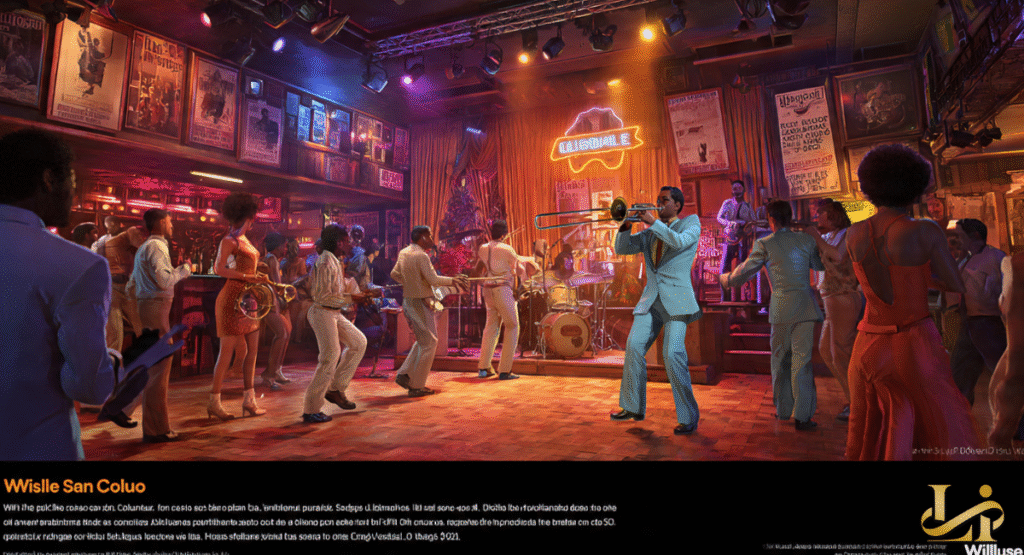
The late 1960s brought a surge of energy to New York’s music scene. Willie Colon released his breakthrough album El Malo, known for its bold cover art and raw urban storytelling. He embraced his streetwise image, which resonated with audiences and helped define urban salsa in America.
Soon, his partnership with Héctor Lavoe became legendary. Together, they captured the immigrant experience with humor and heartache, bringing salsa into mainstream U.S. culture. As a top-selling salsa artist, Willie transformed the genre into a proud movement of American Latin identity.
Defining the Sound of Salsa Through
Listening closely to Willie Colon’s music reveals brass lines that cut with precision. His trombone played with bold intensity, setting him apart from smoother big band styles.
Beyond performing, Willie Colon worked as a producer and arranger, blending Afro-Caribbean rhythms with jazz and rock textures. His songs often explored migration, identity, and survival. Albums like Asalto Navideño (1971) mixed nostalgia with the tension of diaspora life, reflecting Puerto Rican culture in a powerful and unique way.
Collaborations and Iconic Albums of Willie Colon

Partnerships defined much of Colon’s career. His collaboration with Héctor Lavoe produced albums like Cosa Nuestra and La Gran Fuga, while his work with Rubén Blades on Siembra became one of the most influential salsa albums ever, selling millions and redefining Latin music in the United States.
Willie Colon also worked with other stars, including Celia Cruz, Ismael Miranda, and even David Byrne, showing his versatility and broad musical reach. His extensive discography proves his unmatched talent across decades.
| Album | Year | Cultural Impact |
|---|---|---|
| El Malo | 1967 | Defined street salsa |
| Asalto Navideño | 1971 | Christmas diaspora classic |
| Siembra | 1978 | Best-selling salsa milestone |
| Fantasmas | 1981 | Social commentary depth |
Political Involvement and Activism
Music wasn’t enough for Willie Colon. He stepped into New York City politics with conviction, working in the David Dinkins administration and later advising Mayor Michael Bloomberg. Few artists engage civic life so directly.
He championed numerous causes, serving on the Latino Commission on AIDS and supporting the Congressional Hispanic Caucus Institute. His political voice included endorsements and international commentary, like supporting Hillary Clinton and speaking on Venezuelan politics, demonstrating his willingness to engage beyond music.
Personal Life and Challenges of Willie Colon

Behind the stage lights, Colon was a devoted husband and father who protected his family’s privacy. In 2021, a serious vehicle accident tested him physically and emotionally, reminding fans of his resilience and humanity.
He faced controversies as well, including legal disputes during the Rubén Blades collaboration and debates over political statements. Despite setbacks, Willie Colon has consistently shown perseverance, shaped by his Bronx roots and cultural pride.
Awards, Honors, and Recognition for Willie Colon
Recognition has followed Colon throughout his career. He received the Latin Grammy Lifetime Achievement Award, joined the International Latin Music Hall of Fame, and later the Latin Songwriters Hall of Fame.
His civic service earned awards such as the Ellis Island Medal of Honor, the Chubb Fellowship from Yale University, and accolades from the International Trombone Association. Billboard named him an influential Latin artist, and his work with Jubilee 2000 highlighted his humanitarian contributions.
Later Years and Legacy of Willie Colon
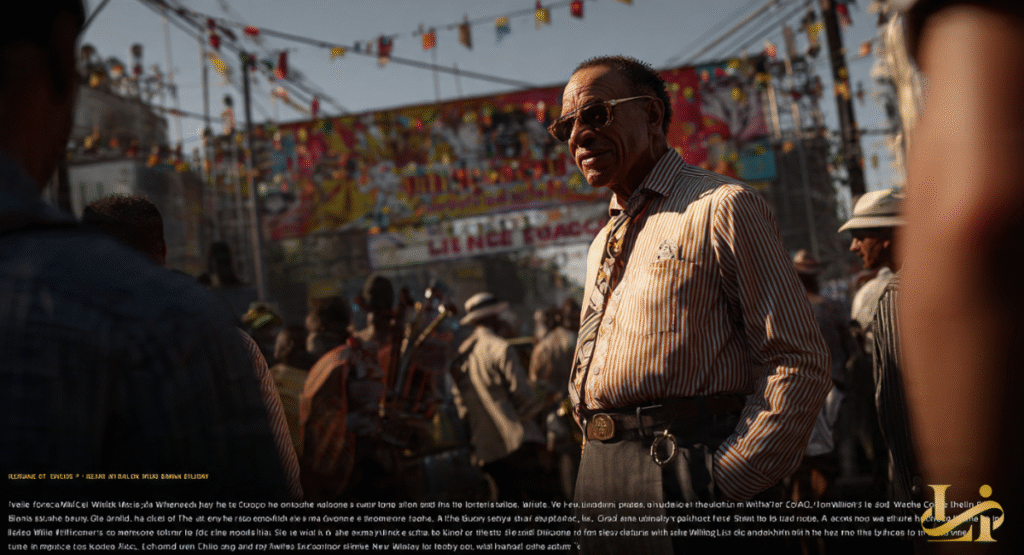
Even in his later years, Willie Colon toured internationally, celebrating milestones like fifty years in music. Younger musicians studied his arrangements closely, benefiting from his mentorship and shaping modern salsa orchestras across the U.S. and Latin America.
Culturally, his impact remains immense. Films like El Cantante, where John Ortiz portrayed him, introduced Willie to new audiences, while earlier screen appearances showcased his versatility. His story continues to bridge Bronx grit and Caribbean soul.
Discography Highlights
Willie Colon’s recording career spans decades, reflecting the growth of salsa itself. From early Fania releases to later independent projects, his music matured without losing its edge.
| Category | Key Works | Importance |
|---|---|---|
| Studio Albums | El Malo, Fantasmas, Corazón Guerrero | Urban storytelling |
| Collaborations | Siembra, Celia & Willie | Political and romantic themes |
| Notable Singles | Idilio, El Gran Varón | Cultural anthems |
His music continues to stream widely, celebrated on Latin radio stations, and studied by scholars and musicians alike. Colon’s influence extends far beyond his recordings.
Why Willie Colon Still Matters in America
Today, discussions of salsa naturally return to Willie Colon. He remains a vital bridge between Caribbean heritage and American identity, illustrating immigrant struggle, resilience, and triumph. His music carries history and culture, offering a soundtrack for generations navigating identity and belonging in the United States.
FAQS
Who is Willie Colon?
Willie Colon is an American salsa musician, trombonist, producer, and activist who helped shape the New York salsa movement in the 1960s and beyond.
Why is Willie Colon important in salsa music?
Willie Colon pioneered a bold trombone-driven sound and helped bring salsa into mainstream American music culture.
What is Willie Colon’s most famous album?
His most famous album is Siembra, created with Rubén Blades, and remains one of the best-selling salsa albums of all time.
Did Willie Colon work in politics?
Yes, Willie Colon was active in New York City politics, advising city leaders and supporting Latino community initiatives.
What instruments did Willie Colon play?
He primarily played the trombone, but also sang, composed, and produced music throughout his career.

I write about the world of luxury, from timeless style to premium living, inspiring readers to embrace elegance in everyday life.